Daijiworld Media Network - New York
New York, Apr 24: Stroke remains a leading cause of death and long-term disability worldwide, largely due to severe damage to the neurovascular unit. While mesenchymal stem cell (MSC) therapy has shown potential in aiding tissue repair, its clinical use has been limited by poor cell survival after transplantation and a lack of targeted healing signals.
Researchers led by Jun Yang of Nankai University and Tao Yan of Tianjin Medical University have developed a novel bioengineering approach to overcome these challenges by creating specialised stem cell clusters.
The team used a biointerface enriched with cadherins—key molecules involved in cell adhesion and communication—to guide MSCs into forming three-dimensional aggregates called Cad-MAs. These included N-cadherin, commonly found in neurons and muscle cells, and VE-cadherin, which plays a vital role in maintaining blood vessel integrity.
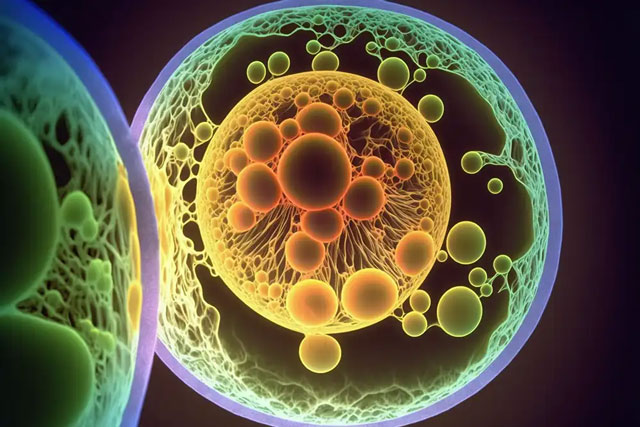
This preconditioning process not only helped cells cluster more effectively but also activated important signalling pathways, enhancing their survival and function. The engineered aggregates showed improved resistance to inflammation and reduced cell death, while maintaining structural integrity.
Further analysis revealed that these clusters produced a more targeted and beneficial mix of healing molecules. Their secretions included immunomodulators, growth factors supporting nerve and blood vessel repair, and exosomes carrying restorative genetic material.
In laboratory experiments using a mouse model of stroke, the Cad-MAs significantly outperformed conventional stem cell treatments. They improved neurological recovery, reduced brain damage, restored blood flow, and helped repair the blood–brain barrier.
The study also showed that these engineered cell clusters could reshape the immune environment after stroke, protect neurons, and promote the formation of functional blood vessels.
Based on their findings, the researchers introduced a new concept called Functional Aggregation-Induced Emergence (F-AIE), describing how guided cell assembly can be used to design advanced, multi-functional therapies.
The researchers said this strategy could mark a major step forward in treating ischemic stroke and may pave the way for next-generation cell-based therapies for complex tissue injuries.