Daijiworld Media Network – Mumbai
Mumbai, Jun 10: A new study has found that deep brain stimulation (DBS) can significantly improve the quality of life of patients suffering from treatment-resistant obsessive-compulsive disorder (OCD), although challenges related to social relationships and independent living may continue even after surgery.
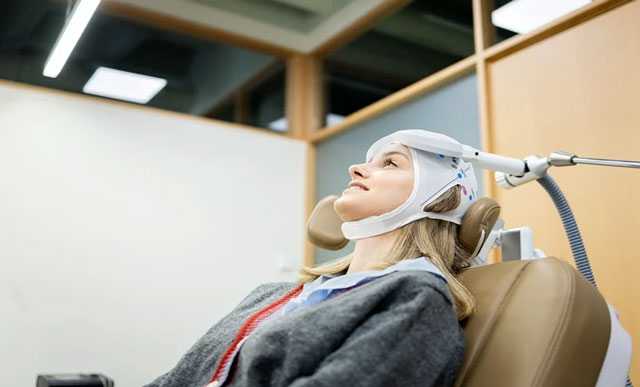
Researchers analysed outcomes from 10 patients who underwent DBS for severe OCD and continued receiving post-surgical programming and care. The study combined quantitative assessments with detailed patient interviews to better understand the impact of the treatment beyond symptom reduction.
According to the findings, most participants experienced notable improvements in both quality of life and OCD symptoms following the procedure. Assessments using the Yale-Brown Obsessive Compulsive Scale (Y-BOCS) and the Quality of Life Enjoyment and Satisfaction Questionnaire showed that overall quality of life improved by an average of 43.5 per cent from baseline.
Researchers found a significant association between reduced OCD severity and improved quality of life. However, the extent of improvement varied among patients, indicating that symptom reduction alone does not fully reflect an individual's recovery experience.
The study also highlighted several positive changes reported by participants after DBS. Many experienced improvements in mood, daily functioning, household activities, hobbies and overall life satisfaction. Nine out of ten patients reported immediate mood improvements shortly after programming, while most observed a reduction in OCD symptoms within three to six months.
Despite these gains, researchers noted that social recovery remained a major challenge. Several participants continued to struggle with social interactions, limited support systems and adapting to independent living after years of living with severe OCD.
The findings suggest that DBS should be viewed as one component of a broader treatment plan rather than a standalone solution. Experts recommend continued psychological therapies, including exposure and response prevention, along with medication management, occupational therapy, social skills training and peer support to help patients achieve long-term functional recovery.
Researchers concluded that traditional symptom-based assessments may underestimate the real-world benefits of DBS, particularly as patients develop new goals and expectations after treatment. They stressed the importance of personalised post-surgical support to address ongoing challenges related to relationships, employment, executive functioning and independent living.