Daijiworld Media Network - Colombo
Colombo, Jul 6: Sri Lanka has recorded 61,060 dengue cases so far in 2026, including 2,604 new infections reported over the past 24 hours, as health authorities intensify efforts to contain the worsening outbreak, according to the country's National Dengue Control Unit (NDCU).
The Western Province continues to be the worst-affected region, accounting for 32,054 cases, or about 52.5 per cent of the country's total infections. It is followed by the Southern Province with 9,674 cases, Sabaragamuwa (5,237), Central (4,823), Eastern (2,979) and North Western Province (2,778).
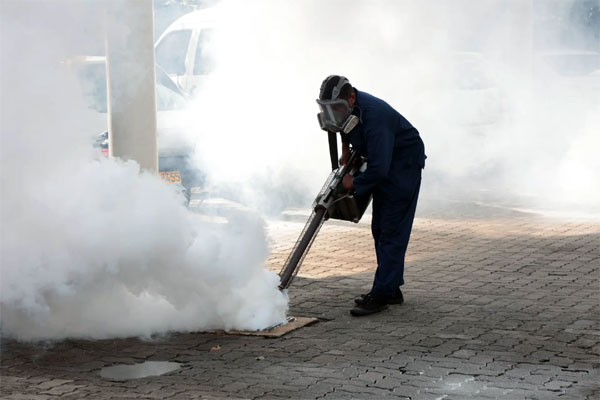
The NDCU has identified 142 Medical Officers of Health (MOH) divisions across Sri Lanka as high-risk dengue zones. June recorded the highest monthly caseload of the year, with 21,546 infections, highlighting the rapid spread of the mosquito-borne disease.
Health authorities said several hospitals in the Western Province have reached full capacity due to the surge in dengue patients.
Acting Director of the National Dengue Control Unit, Kapila Kannangara, said the growing number of infections has placed immense pressure on healthcare facilities, making it increasingly challenging to provide timely treatment.
He said authorities have formulated a three-phase response plan comprising short-, medium- and long-term measures to tackle the outbreak. However, immediate emergency interventions are being prioritised to ease the burden on hospitals and reduce the risk of fatalities if case numbers continue to climb.
Last month, Sri Lanka's Deputy Minister of Health, Hansaka Wijemuni, warned that a new strain of the dengue virus circulating in the country appears to be more transmissible than earlier variants.
According to Wijemuni, the virus has undergone several changes, and a significant portion of the population may lack immunity because they have not previously been exposed to the new strain, increasing the likelihood of wider transmission.
He said health authorities had anticipated a cyclical rise in dengue cases and had made preparations accordingly. The government's strategy focuses on reducing mosquito breeding sites while ensuring infected patients receive prompt medical attention before their condition deteriorates.
Wijemuni also appealed to the public to actively participate in dengue prevention by eliminating stagnant water and other mosquito breeding grounds, stressing that government measures alone would not be sufficient to curb the spread of the disease.