Daijiworld Media Network – Panaji
Panaji, Jul 7: Days after raising concerns over the Goa government's proposed QR code-based Deposit Refund Scheme (DRS) for liquor bottles, traders have sought legal and regulatory clarifications, warning that businesses cannot risk long-established operations over what they described as an inadequately prepared implementation process.
The Goa Feni Distillers and Bottlers Association has written to the DRS Authority, the VAT and Commercial Tax Departments, and the Food and Drugs Administration (FDA), seeking written clarifications before the scheme is enforced for retail licence holders.
Association Secretary Hansel Vaz said one of the key concerns is the legal basis for collecting a refundable deposit in excess of the maximum retail price (MRP). The association has also sought clear guidelines on how the deposit should be displayed on bills, its tax treatment, and its accounting and balance-sheet implications.
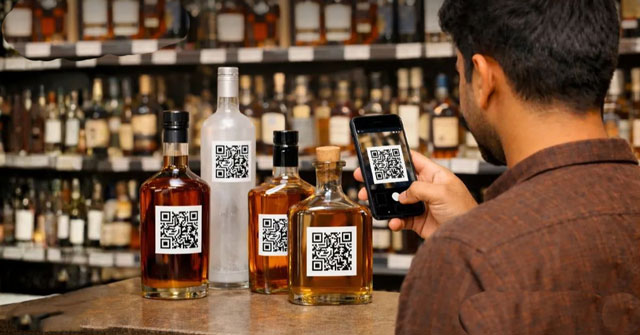
The traders have also sought clarification on whether existing retail licences permit the handling of returned and soiled bottles and the installation of Reverse Vending Machines (RVMs), or whether additional approvals and licence amendments would be required. They have further asked whether no-objection certificates from municipalities, panchayats or housing societies would be mandatory before installing the machines.
The association has demanded a standard procedure for handling damaged or unreadable QR codes and labels, an independent consumer grievance redressal mechanism, government-managed collection and reverse logistics instead of retailers storing returned bottles, a formal standard operating procedure with training for retailers, protection from penal action for failures beyond their control, and compensation if retailers are required to undertake additional responsibilities under the scheme.
The concerns come less than two months before the first phase of the Deposit Refund Scheme is scheduled to come into effect on Sep. 1, covering alcoholic beverage packaging.
Under the rollout plan, producers, importers and brand owners dealing in liquor products have been directed to register under the scheme by Jul. 31 before introducing products into the Goa market from Sep. 1.
Defending the initiative, the DRS Authority said the scheme is intended to improve the recovery of beverage packaging, reduce litter and strengthen recycling efforts across the state.
DRS Authority Chairman Dr Anthony de Sa said the mandatory QR code system is central to ensuring secure refunds, product traceability and fraud prevention.
He noted that QR-based traceability is already widely used in the alcohol industry, with 17 states mandating excise QR codes for alcoholic beverages, and said manufacturers have successfully integrated the technology even on high-speed production lines.
According to the authority, more than 100 Reverse Vending Machines have already been installed across Goa, while several hospitality establishments and beverage brands have joined the initiative ahead of its implementation.
Dr de Sa said registered producers and brands would be able to order QR stickers through the Goa DRS portal, with the authorised QR printing provider delivering them directly to manufacturing facilities, making the implementation process simple, secure and transparent while safeguarding consumers and the integrity of the refund system.