March 2, 2026
On March 1 at 6.30 pm, the Family Shanaya AC Hall, Brahmavar, witnessed a deeply reflective and spiritually stirring presentation of ‘Chiri’, a Konkani drama written by veteran writer Fr Dr Alwyn Serrao, and beautifully organised by the Expression Cultural Group.
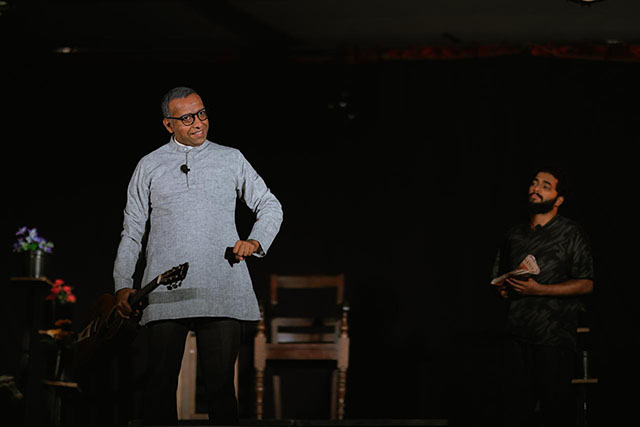
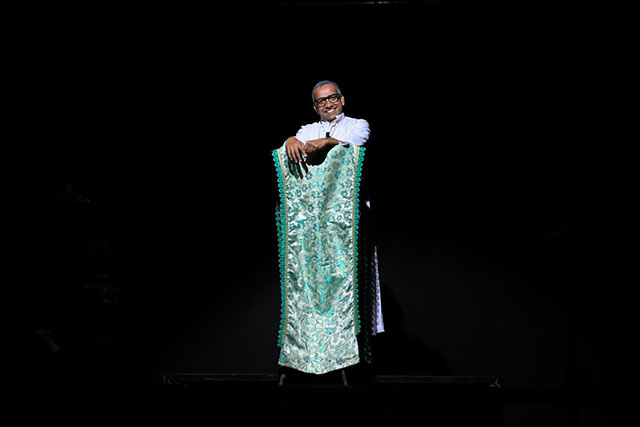
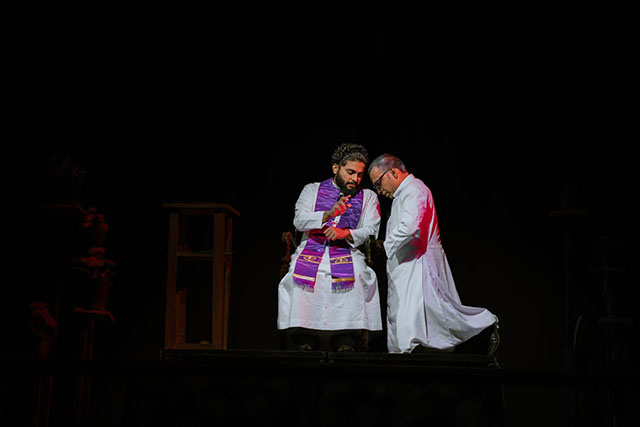
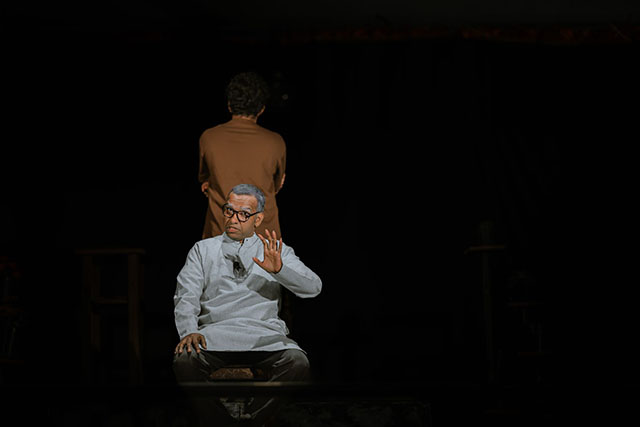
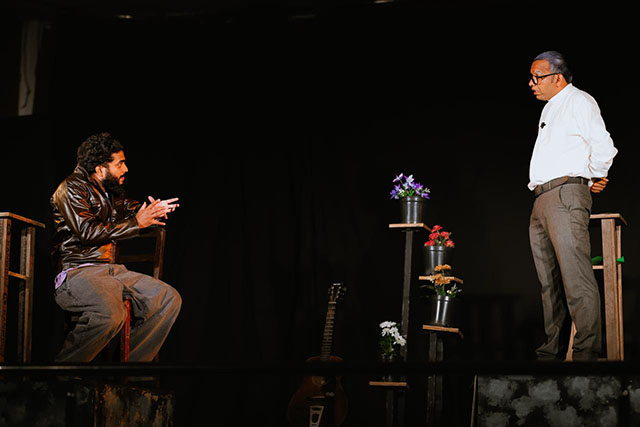
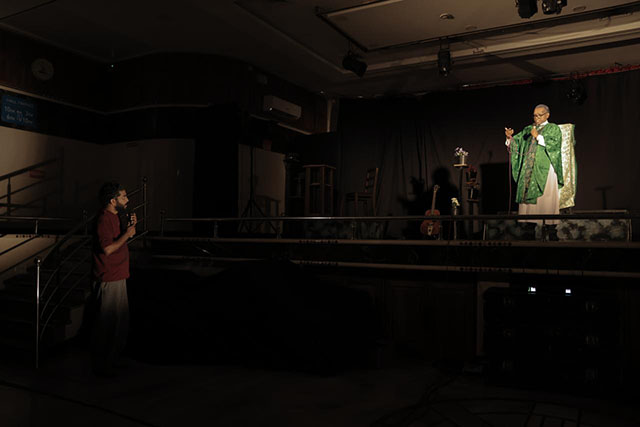
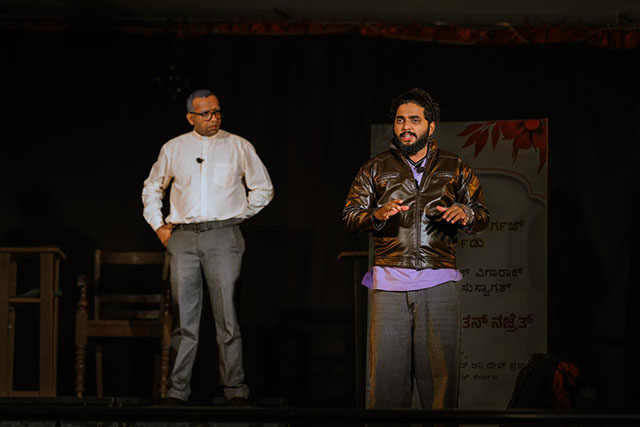
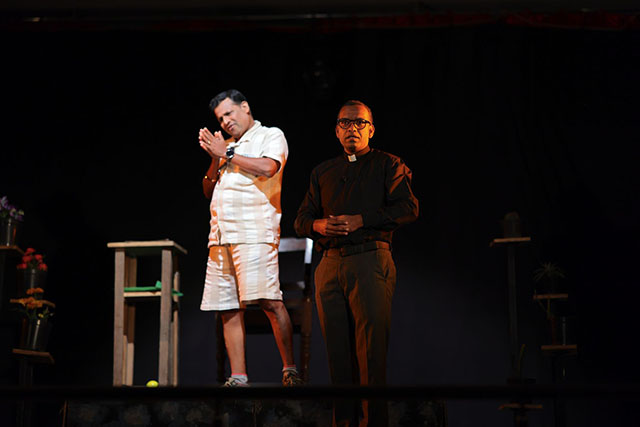
The title ‘Chiri’ — symbolising the purse of thirty silver pieces associated with the betrayal of Judas Iscariot — immediately sets the tone for a profound exploration of human weakness and moral conflict surrounding the handing over of Jesus Christ.
Relevance During the Lenten Season
Presenting ‘Chiri’ during the holy season of Lent added exceptional depth and meaning to the performance. Lent is a time of repentance, introspection, and spiritual renewal. The story of betrayal is not merely historical — it mirrors our own subtle compromises, moments of silence in the face of truth, and choices driven by personal gain.
The play gently reminded the audience that the ‘thirty silver coins’ are not confined to biblical times. Even today, temptations appear in different forms — power, prestige, wealth, ego — quietly challenging our faith and integrity. In this Lenten context, ‘Chiri’ became not just a drama, but a call to examine one's conscience.
Performance and Cast
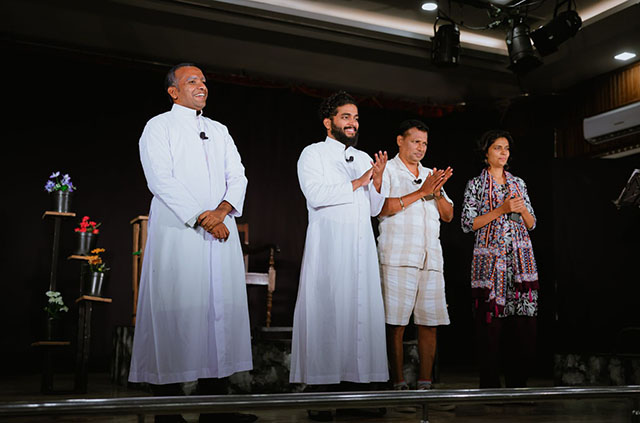
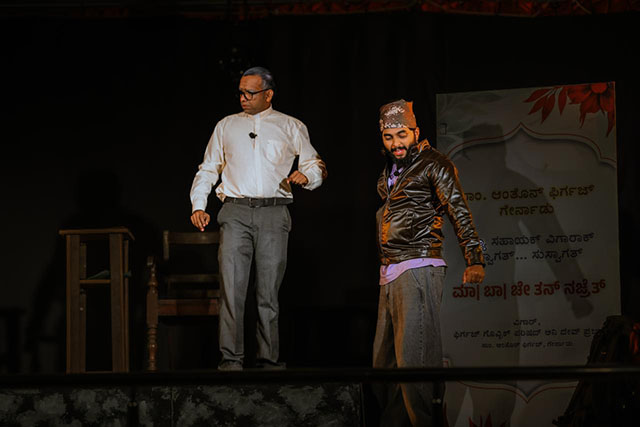
The presentation as a conversation between a Vicar and his young Assistant Parish Priest proved to be a brilliant dramatic choice, by Team Astitva, Mangalore, above 700 shows to their credit with about 10 years’ experience with talented youngsters.
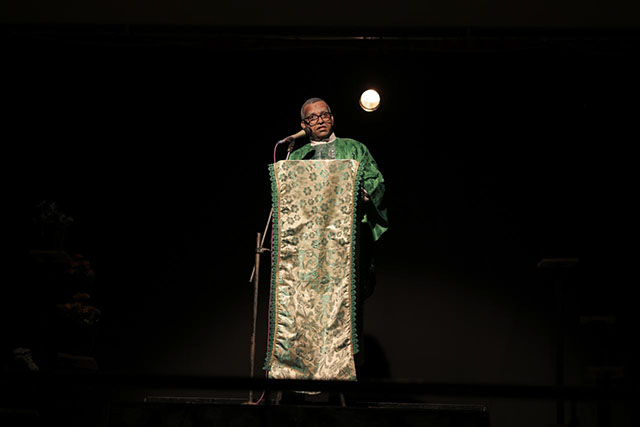
The Vicar’s character was portrayed with maturity, by Christopher - calm authority, and pastoral wisdom. His measured tone and reflective pauses carried the weight of experience and theological depth.
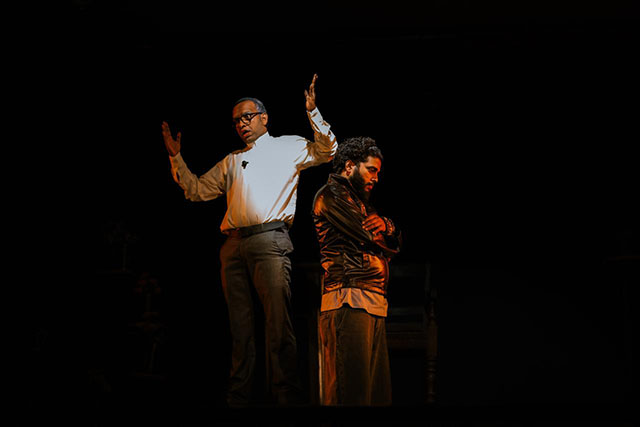
The young Assistant Parish Priest, on the other hand, brought vibrancy, curiosity, and emotional questioning to the stage. His expressions conveyed the struggle of a modern priest trying to understand the mystery of betrayal and human frailty at ease by Clarence D’Souza.
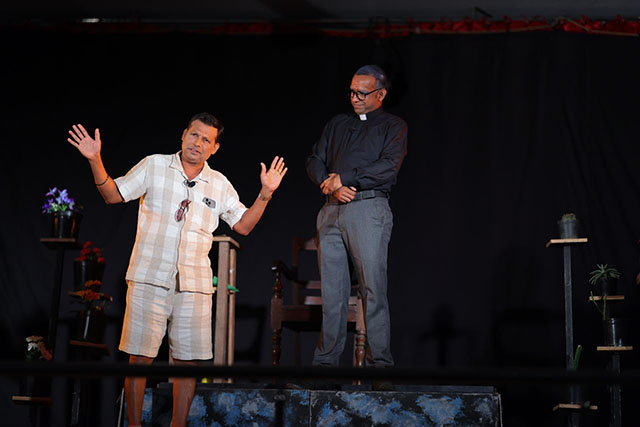
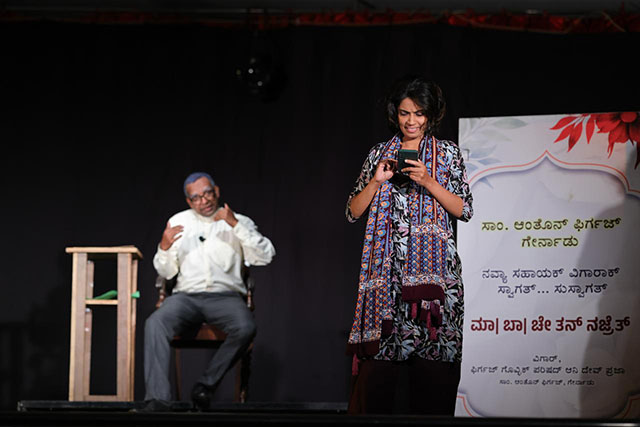
The chemistry between the two and two equally significant roles of Church clerk and businessman donor MTP created a natural flow — not theatrical exaggeration, but realistic dialogue, as though the audience was silently present in a parish study room witnessing an intimate pastoral discussion.
Setting and Stage Arrangement
The setting was simple yet symbolic. A modest parish office ambience — a table, two chairs, and a prominently placed stand and platforms — created the right spiritual atmosphere. Soft lighting enhanced the reflective mood, while silence between dialogues often spoke louder than words.
The simplicity of the stage design ensured that attention remained focused on the message rather than external grandeur. It reinforced the theme that betrayal often happens not in dramatic battlefields, but in quiet rooms and silent decisions.
Dialogues and Literary Depth
Fr Dr Alwyn Serrao’s writing stood out for its clarity and depth. The dialogues were thoughtful, layered, and spiritually engaging.
Rather than condemning Judas outright, the script explored various psychological dimensions relevant today:
These reflections made the audience think rather than judge. Certain lines lingered in the minds of viewers — especially those connecting biblical betrayal with modern-day compromises in families, institutions, and society.
The purse of silver coins became a powerful metaphor — not merely money, but the price at which conscience is sold.
Arrangements by the Expression Cultural Group
The Expression Cultural Group, in its 27th year a popular cultural platform in and around Barkur, Brahmavar, Kallianpur and Sastan, deserves special appreciation. Proudly celebrating its post Silver Jubilee year, the group chose ‘Chiri’ — a class production by a reputed troupe from Astitva, Mangalore — as part of its meaningful celebrations.
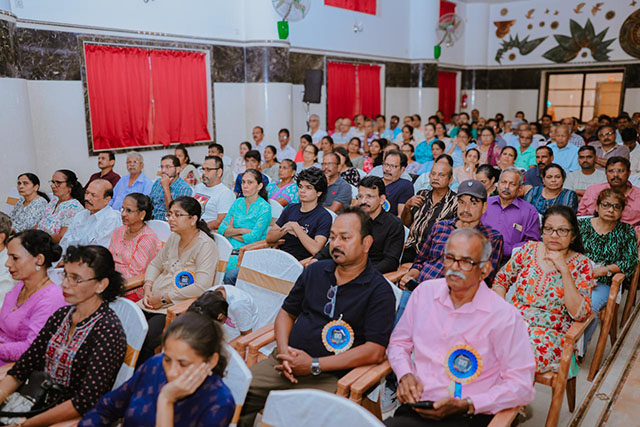
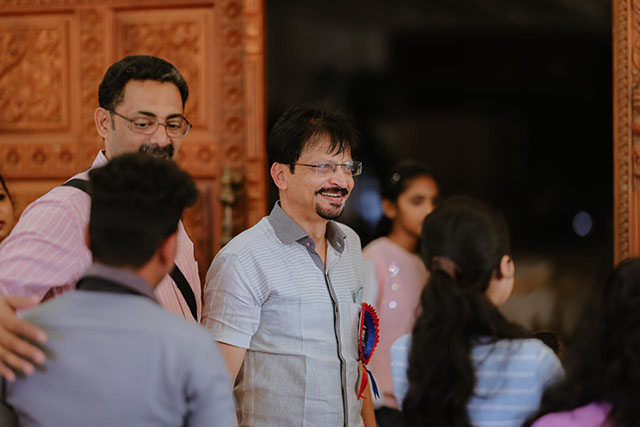
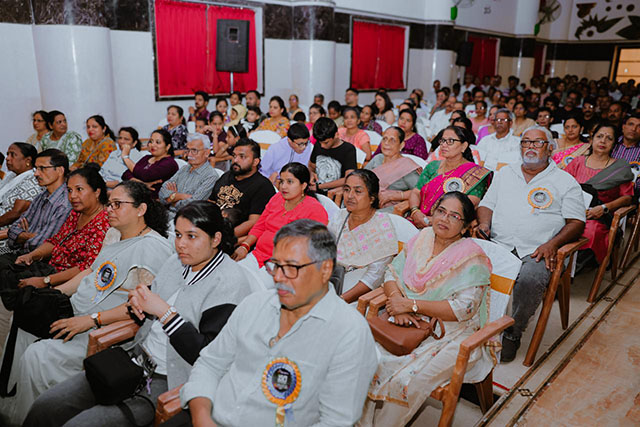
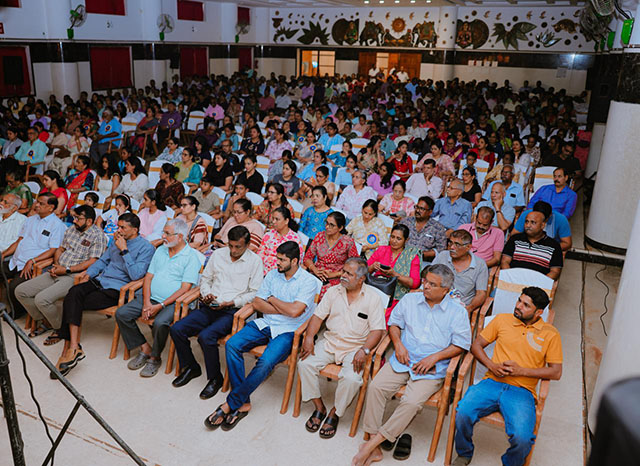
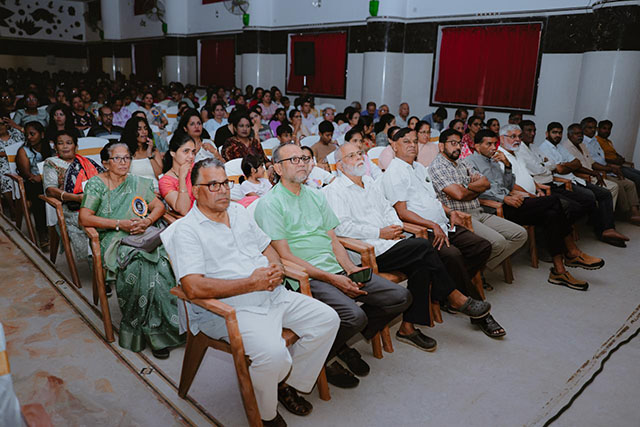
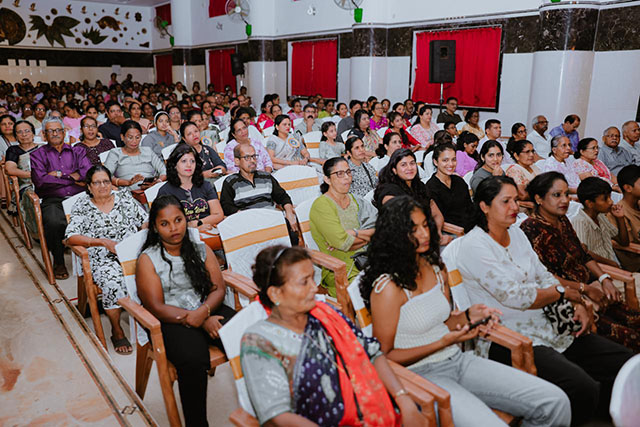
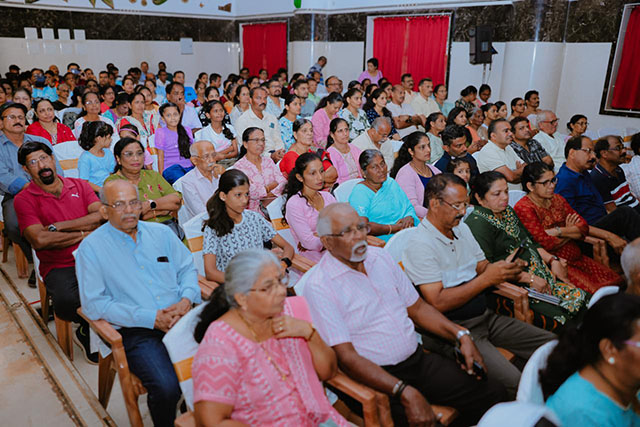
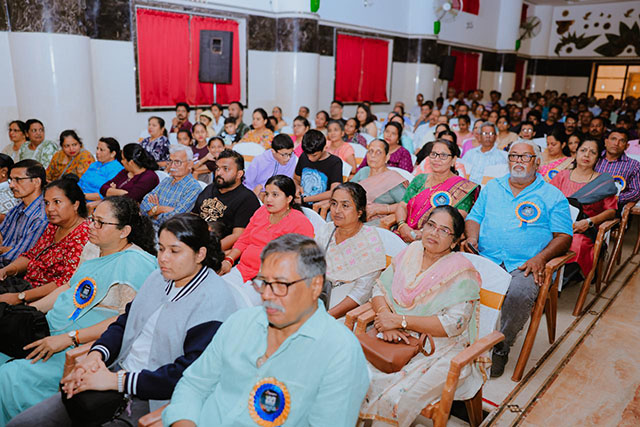
The air-conditioned Shamili Auditorium was house full, accommodating more than 550 discerning spectators. Entry passes were distributed free of cost and were in such high demand that the booking window closed nearly a week in advance. Interestingly, a few passionate drama enthusiasts were even willing to watch the play standing, with volunteers thoughtfully adjusting extra space wherever possible.
At the announced dot time, the curtain rose — refreshingly without lengthy stage programmes, speeches, or formal honours. There were no mobile ringtone disturbances, no interruptions — only timely applause for striking dialogues that echoed through the hall till the very end.
The disciplined arrangement, sound clarity, smooth coordination, and dignified atmosphere reflected meticulous planning. The event proved that cultural initiatives, when thoughtfully curated, can be spiritually enriching and socially relevant.
Viewers’ Feedback and Impact
The audience response, though a few in public, was contemplative rather than loud on their way home — which itself spoke volumes. At the end, one could sense silence filled with thought. Many viewers were seen reflecting quietly; some engaged in soft discussions about the moral questions raised.
The play did not entertain in the conventional sense; it enlightened. It gently unsettled the conscience and invited personal introspection.
Conclusion
Since the play is already booked by various organisations, in Thottam, including invitations from Gulf countries, it is understandable that one would not wish to reveal further details of the screenplay.
However, ‘Chiri’ is not merely about why Judas Iscariot betrayed Jesus Christ.
It is about us.
It asks:
What is our ‘Chiri’?
What are the silent compromises we justify?
Can Lent become a turning point toward renewal?
Through simple conversation, powerful symbolism, and thoughtful performance, Fr Dr Alwyn Serrao and all four stage performers, once again proved that meaningful literature and its enactment can awaken the soul.
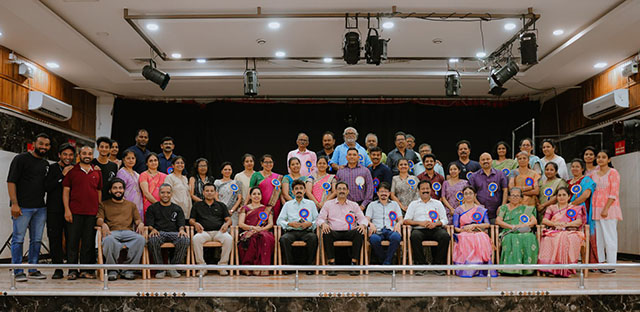
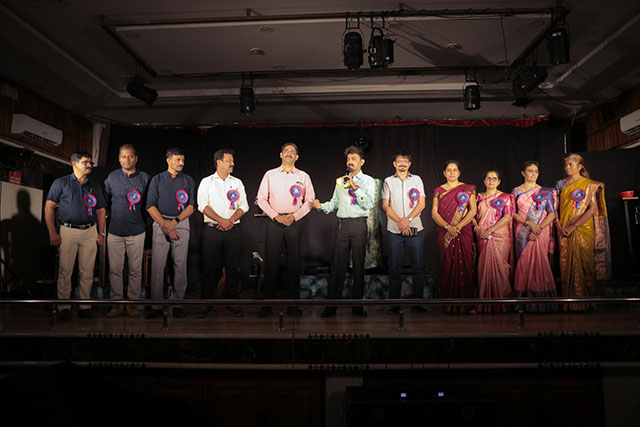
An enriching Lenten evening indeed — and a heartfelt thank you to 'The Expression Team' its convenor Kishore Gonsalves, president Praveen Carvalho and the entire team for gifting the community such a profound spiritual experience.