May 5, 2026
Along the tranquil coastline of Coastal Karnataka, where nature’s gentle rhythms echo timeless tales, lies a captivating confluence near Hungarkatte. Here, the graceful Swarna River and Seetha River unite before merging into the vast Arabian Sea. This estuarine vista, admired from either bank, unfolds a mesmerizing panorama of shimmering waters, lush greenery, and endless skies.
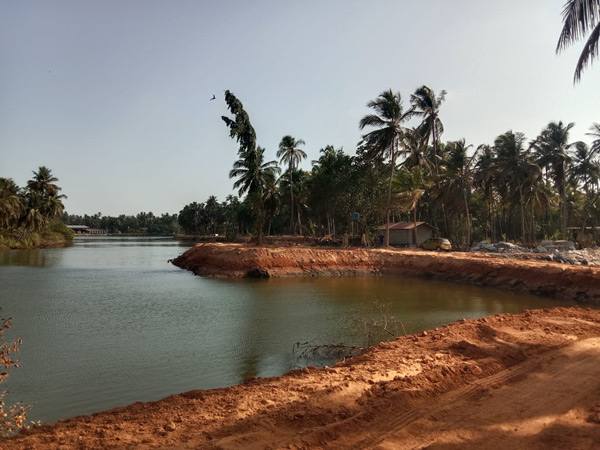
Scattered across this delta are numerous fertile islands, known locally as Kudrus. Once vibrant and prosperous, these islands thrived with coconut groves nourished by the rivers’ bounty. Paddy fields swayed in the breeze, sugarcane flourished, and seasonal crops such as chilli, sweet potato, and vegetables brought abundance and purpose.
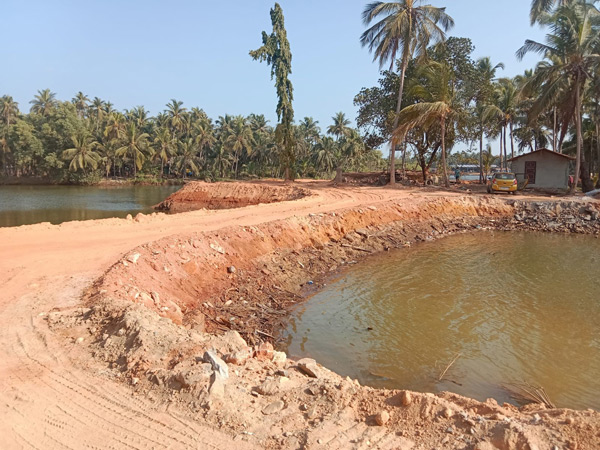
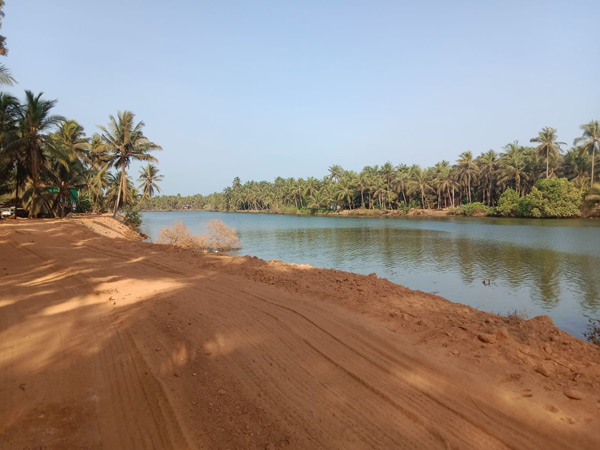
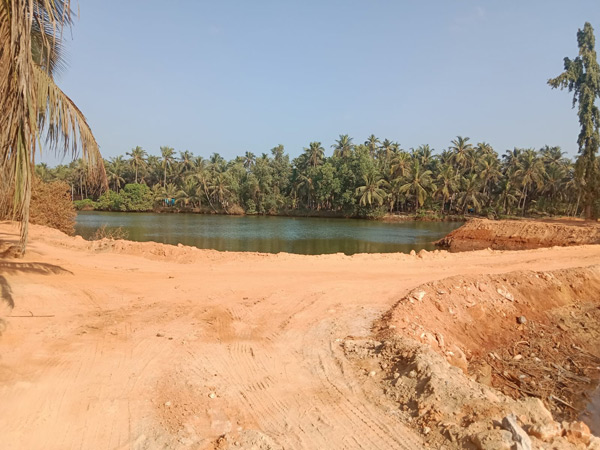
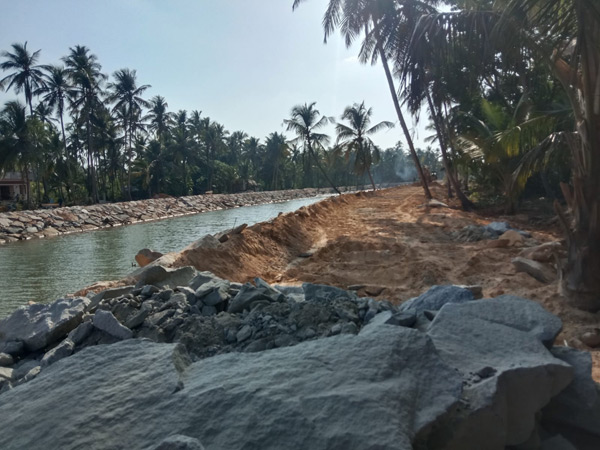
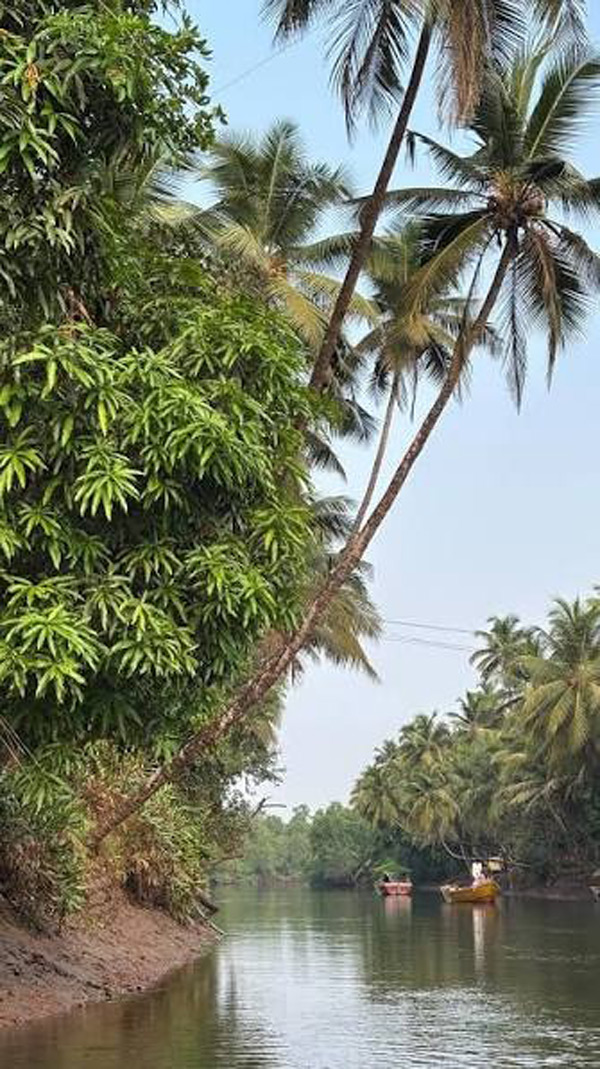
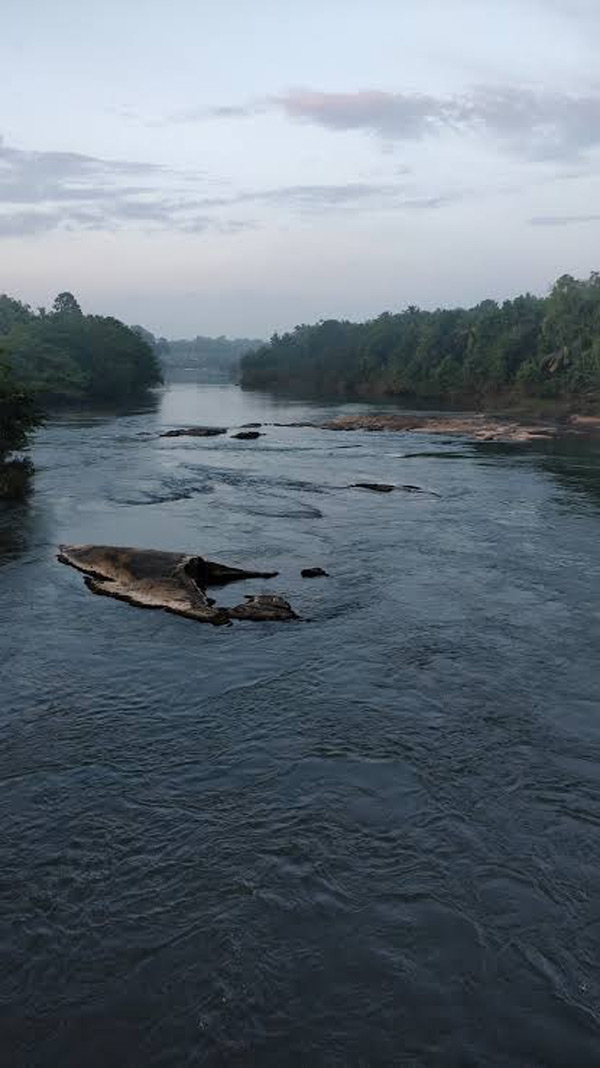
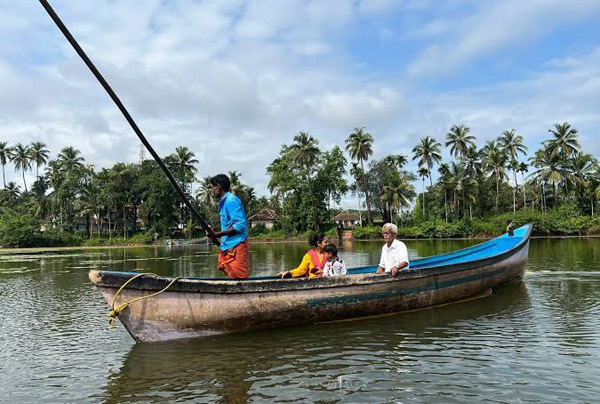
Life here was simple yet fulfilling. Every household owned a wooden boat that glided along the waterways. Buffaloes and cattle grazed peacefully, while Nati koli (native poultry) added to the rural charm. Fishing in the rivers and rivulets was both livelihood and cherished tradition, passed down through generations with pride.
With the advance of urbanisation, however, these thriving landscapes gradually quietened. Labour shortages, poor connectivity, isolation, and shifting aspirations prompted many families—especially the elderly—to migrate to towns. Vast stretches of once-productive land now lie abandoned, bearing silent witness to a fading legacy.
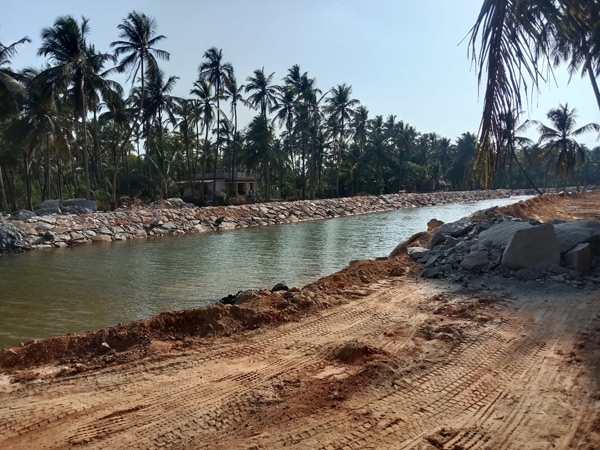
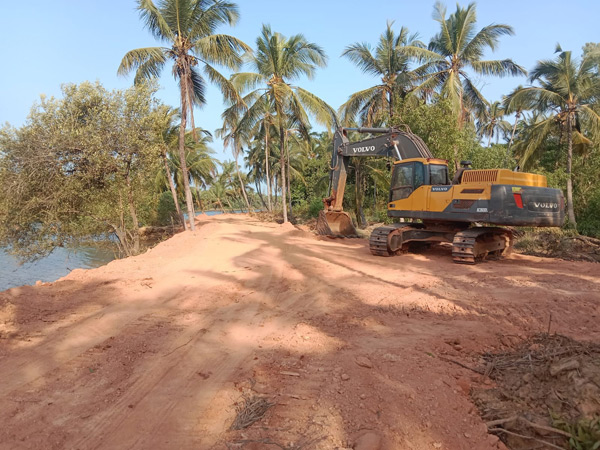
Yet, hope is rekindling. In recent years, growing focus on tourism and infrastructure has opened new possibilities. Development initiatives—including proposed vented dams, improved riverbank structures, and enhanced connectivity—are steadily reshaping the region’s future.
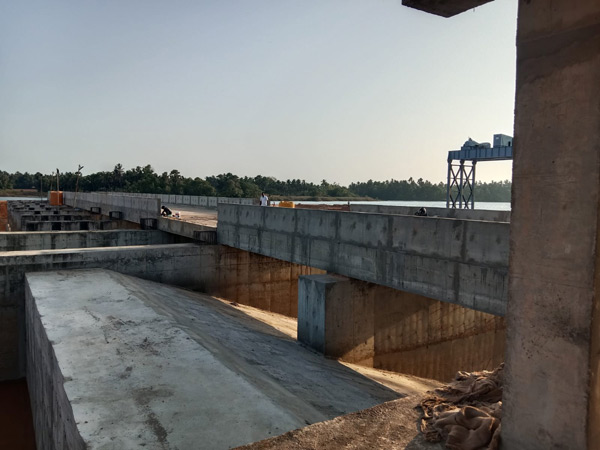
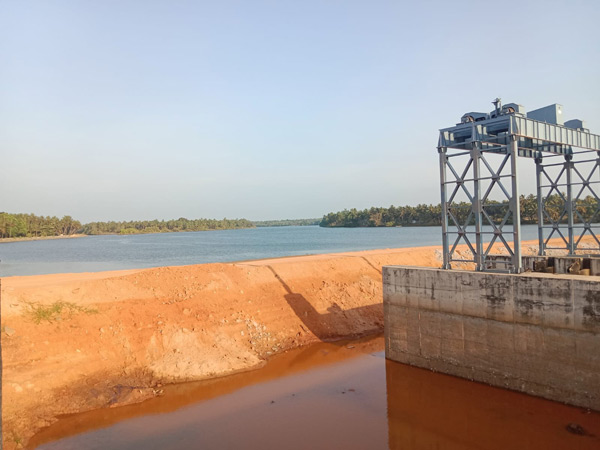
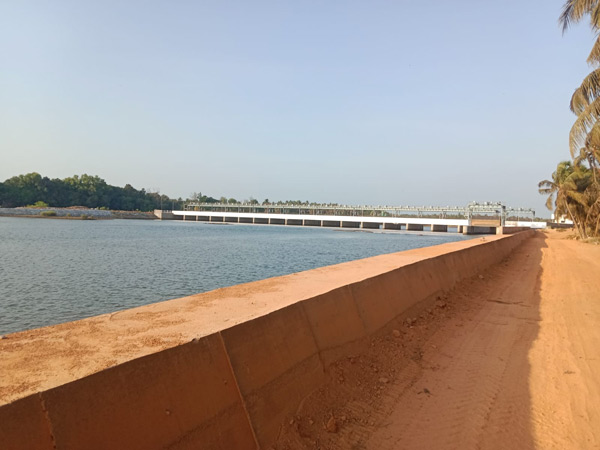
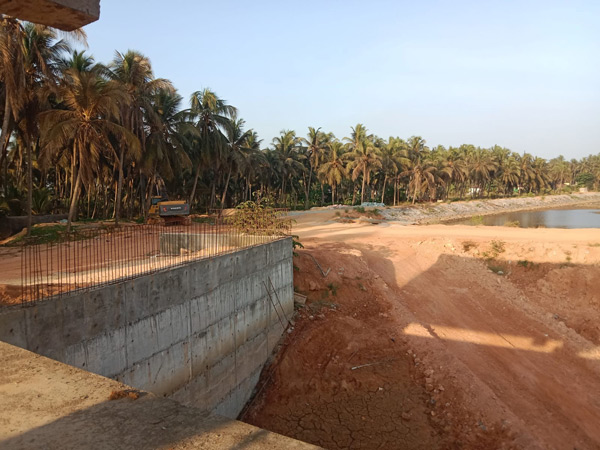
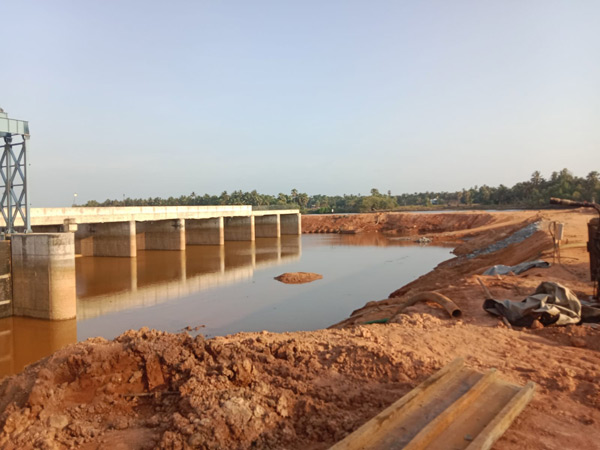
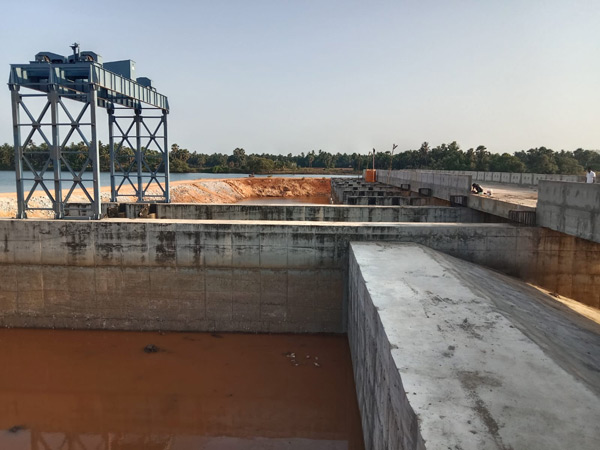
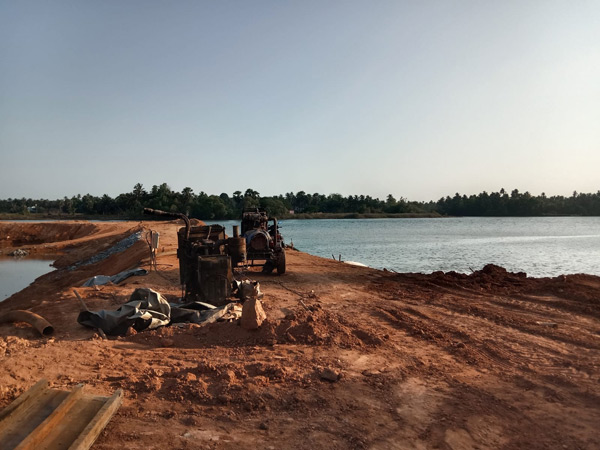
Notably, the ongoing vented dam-cum-road project across the Seetha River near Kumragodu promises better accessibility between Moodahadu and surrounding areas. This project is expected to meet drinking water needs, curb soil erosion, and unlock pathways for economic revival.
The area holds immense, largely untapped potential for tourism. Its evergreen seashores, tranquil backwaters, and intricate network of rivers and rivulets are ideally suited for water sports, eco-tourism, homestays, wellness retreats, and nature-based recreational hubs.
A few forward-thinking entrepreneurs have already begun establishing homestays, naturopathy centres, and leisure destinations, offering a preview of the future that awaits.
Strategically located near Udupi and the historic Barkur-Kallianpur region, the area enjoys strong road and rail connectivity. Its proximity to reputed educational institutions and advanced healthcare facilities makes it ideal not only for tourists but also for peaceful residential living, including serene homes for the elderly seeking calm and care in nature.
Historically, Barkur flourished as a bustling port and administrative centre during the Alupa Dynasty, the Keladi kings, and the Vijayanagara Empire. Its natural harbour once thrived with trade and cultural exchange. Though prominence later shifted to Mangalore under colonial influence and Malpe grew through its fishing industry, Barkur retains a rich historical and cultural heritage ready to be rediscovered.
Today, at the intersection of heritage and progress, this region offers a rare opportunity—to harmoniously blend natural splendour with thoughtful development. With vision, sustainable planning, and community involvement, it can emerge as a model destination, akin to the celebrated coasts of Goa and Kerala.
The land that once prospered through agriculture and simple living now awaits a new chapter, where tourism, ecology, heritage, and modern infrastructure converge in balance.
Let us hope, with optimism and collective effort, that this hidden gem of Coastal Karnataka regains its lost glory and shines brighter than ever.
Kumragodu–Bennekudru Vented Dam: A Lifeline of Renewal for the Kudru Islands
In the serene backwaters of Udupi, where rivers gently merge with the Arabian Sea, lie scattered islands—Kumragodu, Halekody, Bennekudru, Moodahadu, and the lesser-known Ballal Kudru, Japkali, parts of Pandeshwar, Hosala, Hanehalli paddy fields, and the low-lying stretches of Matpady.
Locally known as Kudrus, these lands were once symbols of abundance. Coconut palms swayed over fertile paddy fields; homes stored rice muras and large tins of jaggery for trade; children played freely along the bunds. Every season brought assurance of life and livelihood.
Today, the story has changed. Salty tides creep inward, eroding the soil. Wells that once yielded sweet water have turned brackish. Farmers view their lands with uncertainty, and many have stepped away from agriculture. The younger generation, finding fewer opportunities, looks elsewhere.
In this context, the Kumragodu–Bennekudru–Moodahadu Vented Dam Project emerges—not merely as an engineering solution, but as a promise of renewal.
More Than a Dam — A Guardian for the Land
For the people of these islands, the greatest threat is often unseen—the slow intrusion of the sea. With every high tide, saltwater seeps in, harming crops, soil, and drinking water sources.
The proposed vented dam will serve as a protective barrier that will:
- Hold back advancing salinity
- Preserve precious freshwater
- Bring stability to an increasingly uncertain environment
For a farmer, this is the difference between cultivating the land and abandoning it.
Restoring Water, Restoring Life
Water lies at the heart of every story here. Elders recall wells brimming with sweet water and lush green fields. With the dam retaining freshwater:
- Wells can regain their natural sweetness
- Fields can once again support paddy cultivation
- Coconut groves can thrive without stress
This is not merely about irrigation—it is about restoring dignity to rural livelihoods.
A Bridge Between People
Beyond water security, the dam can become a physical and emotional bridge. Many Kudru islands remain isolated, especially during monsoons. A bridge-cum-dam can:
- Connect families and communities
- Improve access to schools, markets, and hospitals
- Reduce the sense of isolation experienced by islanders
Development here is about inclusion, connectivity, and belonging.
Hope for the Next Generation
The project’s most profound impact may lie in what it offers the youth. When land becomes productive again:
- Young people may choose to stay
- Families can build their future where their roots lie
- Migration driven by necessity can give way to informed choice
In this way, the dam becomes a symbol of hope—that life in the Kudrus, and across Barkur and Kallianpur, is evolving, not fading.
A Hidden Paradise Ready to Awaken
There is a quiet, understated beauty in these islands. The gentle flow of backwaters, the rustle of coconut leaves, and the rhythm of village life offer rare experiences. With improved water management and connectivity, the region can welcome visitors for:
- Boating through serene waterways
- Experiencing authentic rural life
- Discovering untouched natural landscapes
Without losing its soul, the Kudru region can emerge as a peaceful eco-tourism destination—offering silence, simplicity, and sincerity in a fast-paced world.
Cultural Pride and Visionary Leadership
The historic Kula Stree Amma Temple, revered for centuries, stands as a spiritual anchor. Now revived and restored, it blends traditional sanctity with modern facilities, drawing devotees from across Coastal Karnataka. Also noteworthy is the birthplace of Blessed Fr Alfred Roche, a Holy Capuchin priest on the path to Sainthood, located here.
Equally significant is the sincere and visionary initiative of Nadoja G Shankar. His passion and commitment have played a meaningful role in efforts to revive and transform the region’s geographical and socio-economic landscape.
A Step Towards Renewal
The Kumragodu–Bennekudru Vented Dam is not merely about concrete, gates, or engineering. It is about people, memories, and the future. It is about:
- A farmer hoping to sow again
- A mother drawing clean drinking water from her well
- A child growing up in a place that holds promise
If nurtured with care, community participation, and long-term vision, this project can become a lifeline that restores balance between nature and human aspiration. In the story of the Kudru islands, this could be the chapter where decline turns to revival—and uncertainty gives way to hope.