July 28, 2026
Every generation inherits two priceless legacies—its culture and its natural environment. While culture is preserved through memory, nature survives only through responsible action. As the world observes World Nature Conservation Day on 28 July, the message is more relevant than ever: our future depends not on how much we consume, but on how well we conserve. Few cities in India illustrate this truth better than Mangaluru, a coastal gem nestled between the Arabian Sea and the majestic Western Ghats. Blessed with perennial rivers, lush greenery, fertile lands, pristine beaches, mangrove ecosystems and one of the world's richest biodiversity hotspots, Mangaluru has always enjoyed a unique harmony between nature and human life. Yet, this harmony is increasingly under strain.
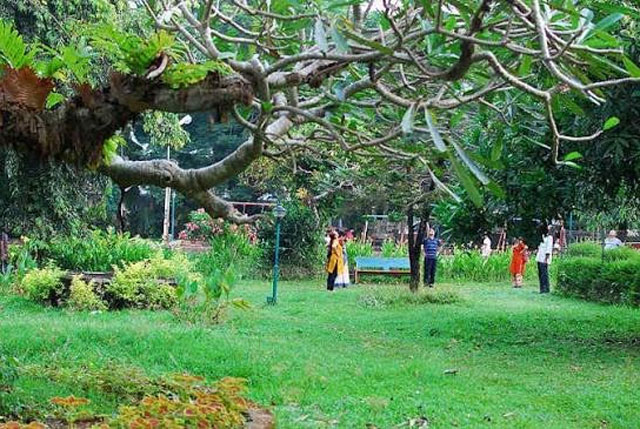
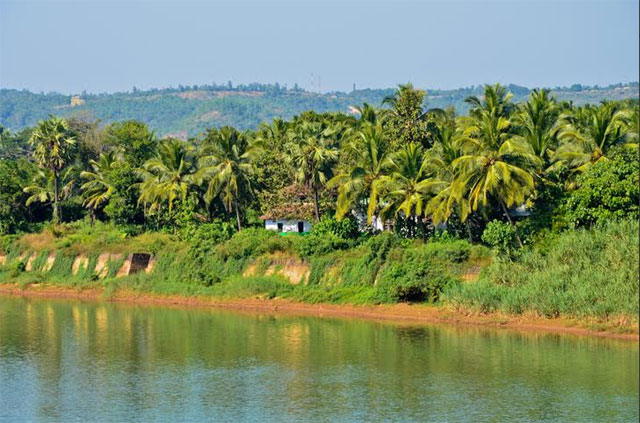
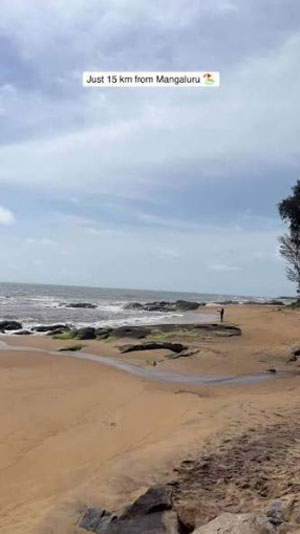
The city that was once known for its cool breeze, dense coconut groves, paddy fields and crystal-clear streams is today witnessing rapid urbanisation, shrinking green cover, disappearing wetlands, increasing traffic, plastic pollution and changing weather patterns. The intense rainfall events witnessed in recent years, urban flooding in low-lying areas, rising temperatures and coastal erosion are not isolated incidents—they are reminders that nature always responds to the choices we make. The Western Ghats, recognised as a UNESCO World Heritage Site, act as the ecological lungs of coastal Karnataka. They regulate rainfall, recharge groundwater, support agriculture and harbour thousands of plant and animal species found nowhere else on Earth. The Netravathi and Gurupura rivers, lifelines of Dakshina Kannada, nourish our farms, sustain fisheries and provide drinking water to lakhs of people. Protecting these ecosystems is no longer merely an environmental concern; it is an economic, social and public health imperative.
Ironically, Mangaluru's development owes much to its natural wealth. Its thriving port, fisheries, educational institutions, agriculture, tourism and industries have flourished because of the city's geographical blessings. However, if environmental degradation continues unchecked, the very foundation of this prosperity could weaken. Sustainable development is not about choosing between economic growth and environmental conservation; it is about ensuring that one strengthens the other. The encouraging news is that conservation begins with ordinary citizens. Governments can enact policies, scientists can provide solutions and industries can innovate, but the real transformation happens when individuals change their everyday habits.
Imagine the impact if every household in Mangaluru harvested rainwater during the monsoon, segregated waste responsibly, composted kitchen waste, reduced single-use plastics, planted native trees and conserved electricity. Imagine educational institutions adopting nearby lakes, beaches and mangrove patches for regular conservation drives. Imagine every business viewing sustainability not as compliance but as corporate responsibility. Small actions, when multiplied across thousands of citizens, become powerful environmental movements. Educational institutions have an especially significant role. Schools and colleges must nurture environmentally conscious citizens rather than merely producing graduates. Environmental stewardship should become part of everyday learning through biodiversity mapping, nature clubs, green campuses, renewable energy initiatives and community outreach. Young minds that develop respect for nature today will become tomorrow's responsible policymakers, entrepreneurs and innovators.
Technology, too, must become an ally of conservation. Artificial intelligence, satellite monitoring, drones, Internet of Things (IoT) sensors and data analytics can help monitor forest health, predict floods, optimise waste management and improve water conservation. The future lies in integrating traditional ecological wisdom with modern scientific innovation. Mangaluru, with its vibrant educational ecosystem and growing technology sector, is well positioned to lead such initiatives. Our rich cultural traditions have always respected nature. Sacred groves, temple ponds, community forests and seasonal festivals celebrated the intimate relationship between people and the environment. These traditions remind us that conservation is not a modern concept but an ancient value that deserves renewed commitment in today's rapidly changing world. The challenge before us is not merely environmental; it is moral. The rivers we pollute today are the drinking water sources of future generations. The forests we destroy are the climate regulators our children will desperately need. The biodiversity we lose can never be recreated. Every tree felled without necessity, every stream contaminated and every ecosystem neglected silently diminishes our collective future.
World Nature Conservation Day should therefore be more than a symbolic observance. It should become a call to action for every resident of Mangaluru. Let us pledge to leave behind a city that is greener than the one we inherited. Let every apartment complex become a model of waste segregation. Let every school become a centre of environmental learning. Let every industry adopt cleaner technologies. Let every citizen become a guardian of the rivers, beaches, hills and forests that define our identity. History will not judge us by the number of buildings we constructed or the roads we widened. It will remember whether we had the wisdom to preserve the natural wealth entrusted to us. Mangaluru's greatest strength has never been its infrastructure alone—it has always been its remarkable coexistence with nature. Protecting this legacy is both our responsibility and our privilege.
As we celebrate World Nature Conservation Day, let us remember a simple truth: Nature does not need humanity to survive; humanity needs nature. The future we dream of- a healthier, safer and more prosperous Mangaluru—begins with the choices we make today. Nurture nature today, and nature will secure our tomorrow.