August 24, 2026
Onam, the traditional harvest festival of Kerala, is one of the most celebrated festivals of the Malayali community. It honours the yearly return of King Mahabali, whose reign is regarded as a golden age of wealth, equality, and joy. For many Malayalees, the celebration of Onam is an integral part of life and cultural identity. It is a time when unity and togetherness are given importance. People of all age groups in a family come together during this festival and participate in various Onam activities and enjoy the traditional Onasadhya.
Ten days of Onam
Onam is traditionally observed over ten days, starting with Atham and ending on the most significant day, Thiruvonam.The 10 days are: Atham, Chithira, Chodhi, Vishakam, Anizham, Thriketta, Moolam, Pooradam, Uthradam and Thiruvonam.
Significance of Pookalam
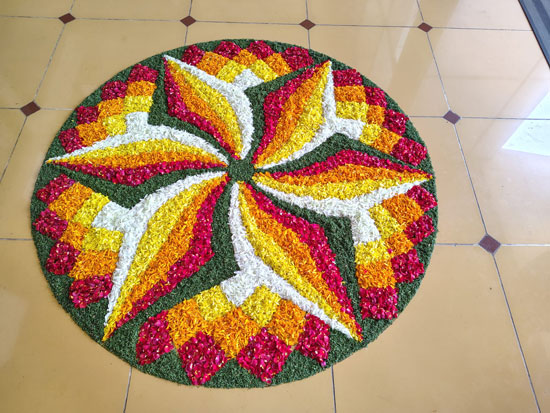
One of Kerala's most exquisite and beloved customs is Pookalam, the traditional floral carpet created during Onam. It is prepared at home entrances as a vibrant and hospitable adornment, signifying wealth, joy, harmony, and the cordial greeting extended to King Mahabali, who is thought to visit Kerala during Onam. During the ten-day Onam celebrations from Atham to Thiruvonam, Pookalam is traditionally made using fresh seasonal flowers, with a new layer frequently added every day. Some of the traditional flowers used for Pookalam include: Thumba (Leucas), Chethi (Ixora), Chembarathi (Hibiscus), Jamanthi (Chrysanthemum), Kanakambaram (Crossandra), Arali (Oleander) etc.
Onasadhya/Onam Sadhya-The grand feast
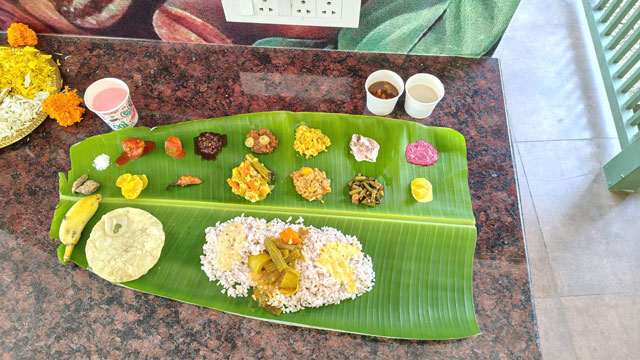
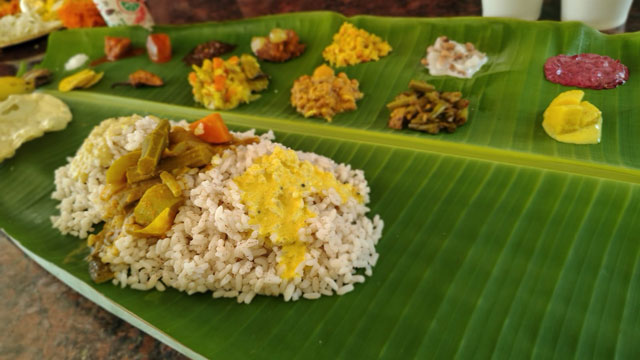
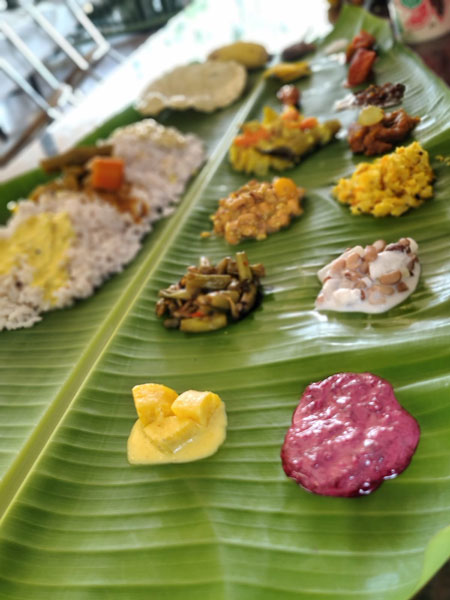
Onasadhya, the lavish festive feast, is an important part of the celebrations associated with welcoming King Mahabali. It’s a representation of wealth and success. Traditionally, Sadhya is made with a wide range of vegetarian dishes made with rice, vegetables, coconut, spices, and other items that are readily available in the area. Prosperity and thankfulness for the harvest are reflected in the abundance of food. Onasadhya is typically served on a banana leaf when everyone is seated together and consumes the same dish. This stands for social peace, equality, and unity—values closely linked to the Mahabali tale. Sadhya embodies the Keralan custom of gracious hospitality, and Onam is a festival of welcoming others. Traditionally, guests are encouraged to savour the feast and receive excellent treatment.
The importance of banana leaf
A significant aspect of the custom is serving the food on a fresh banana leaf. Onasadhya is typically served on a natural banana leaf, consumed while seated on the floor for both practical and cultural reasons. It is useful, biodegradable, and gives the meal a unique scent and experience. Serving Sadhya on it gives the dish its unique character and maintains the custom of eating. A banana leaf links the dish to the natural world. Additionally, its big surface offers ample room for the numerous Sadhya dishes to be arranged properly. Serving numerous tiny pieces is part of Sadhya. Banana leaves are useful for serving big gatherings since they can be arranged and cleaned fast. The leaf is also connected to purity, hospitality, prosperity, and festivity. Moreover, Kerala's concept of communal dining consists of a banana leaf, sharing Sadhya, and sitting together.
Rise of paper banana leaf-Paper banana leaves have grown in popularity as a substitute for traditional banana leaves due to shifting lifestyles, urbanization, and concerns about convenience and hygiene, particularly for large-scale Onam celebrations, catering, and events. They are simpler to transport, store, and discard while yet having the classic appearance of a banana leaf.
However, if they are procured and managed ethically, natural banana leaves provide a more genuine and eco-friendly experience. For large-scale events, paper substitutes may be useful, but whether they are truly biodegradable and devoid of plastic coatings will determine how beneficial they are for the environment.
What’s the traditional food order on a banana leaf?
A typical Sadhya includes minor accompaniments and pickles first, then rice with parippu, sambar, different curries, rasam, and ultimately buttermilk, with payasam serving as the festive dessert. The exact order and presentation can vary. The balance of six tastes—sweet, sour, salty, bitter, pungent, and astringent—as well as diverse colours, textures, smells, and cooking techniques are what make Onasadhya so beautiful, not just the quantity of dishes.
Dishes-
Rice & Curries: Rice, Parippu, Sambar, Rasam, Avial, Olan, Kalan, Thoran, Erissery, Koottukari
Accompaniments: Upperi, Sharkara Varatti, Pappadam, Pickles, Puli Inji
Side Dishes: Pachadi, Mezhukkupuratti, Pulissery
Desserts: Ada Pradhaman, Paalada Payasam, Parippu Payasam, Semiya Payasam
Moru (Buttermilk) is often served toward the end of the meal to aid digestion.
Why Do We Sit on the Floor to Eat Sadhya?
Meals were customarily had while sitting on the floor in houses at Kerala and during communal celebrations prior to the widespread use of modern dining tables. Traditionally, individuals eat the same meal from similar banana leaves while sitting in rows during Sadhya. This fosters a strong sense of equality and community. Sadhya is generally served by persons walking between the diners' rows. Servers can move more easily and swiftly replace dishes when they are seated in rows on the floor. It’s not a religious obligation to eat Sadhya while sitting on the floor. It is essentially an age-old dining custom that has been handed down through the generations. Rather to just eating, sitting down together traditionally encourages people to slow down, engage with one another, and enjoy the meal as a shared experience. The digestive tract can naturally prepare for the meal and produce the digestive juices required to process the complex Sadhya if you eat slowly and peacefully.
Onam is a celebration of Kerala's rich culture, customs, solidarity, and sense of community that goes much beyond a simple holiday. Every facet of Onam embodies the ideals of sharing, harmony, prosperity, and inclusivity, from the vibrant Pookalam and traditional games to the magnificent Onasadhya and the joyous celebrations. While some customs may evolve over time, the spirit of Onam—coming together, celebrating life, and bringing joy into our homes and hearts—remains constant.