October 14, 2026
Ranebennur is a major town in the Haveri district of Karnataka, often referred as the gateway to North Karnataka. The name is also spelt as Ranibennur and is popularly associated with the words Rani (queen) and Bennur (town).
I had the opportunity to join a trek organised by the Krishnamruga Unit of Ranebennu- YHAI in the Month of September. This was their first state level trek of its kind. What I initially expected to be a trekking experience turned out to be a wonderful combination of history, temples, archaeology, wildlife, local food and long walks.
An Early Start at Harihar
Along with two fellow trekkers, I reached Ranebennur town early, giving us some time before the evening orientation programme. We used this opportunity to visit the Harihareshwara Temple at Harihar, situated on the bank of the Tungabhadra River.
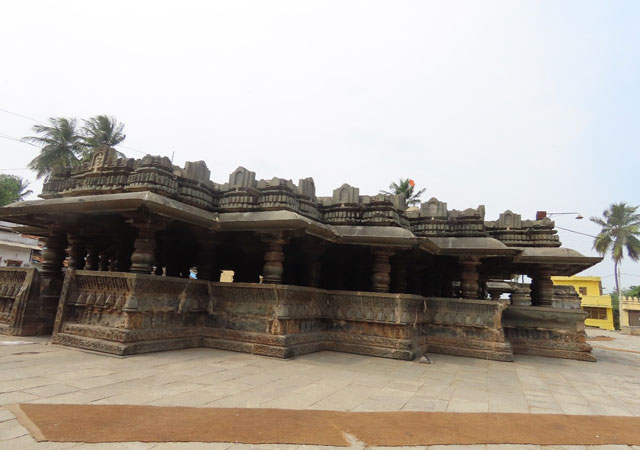
The temple is dedicated to Harihara, a form that combines Vishnu (Hari) and Shiva (Hara). It represents the coming together of two major traditions of Hindu worship.
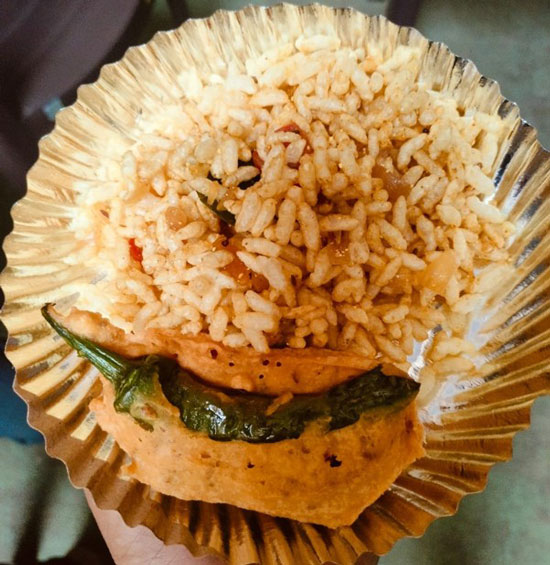
After visiting the temple, we tried some authentic local food in Ranebennur.

By evening, we gathered for the orientation programme. It was an opportunity to meet fellow trekkers and learn about the activities planned for the coming days. Our stay was arranged at Sawkar Farm, away from the city and surrounded by large plantations of arecanut, coconut, cocoa and other trees.
The next morning, we headed towards Bettada Mallappana Gudda, also known as Mallayana Betta. The hill is known for its historic temple and megalithic remains.
One of our fellow trekkers and a YHAI volunteer explained the formation of megalithic structures and their historical significance. It was interesting to learn about these ancient structures and the people associated with them.
The hilltop temple is dedicated to Lord Malleshwara, a form of Lord Shiva worshipped in the form of a Shiva Linga. The temple is believed to have been expanded or rebuilt during the rule of Raja Somashekhara Nayaka of the Harapanahalli Palegars.
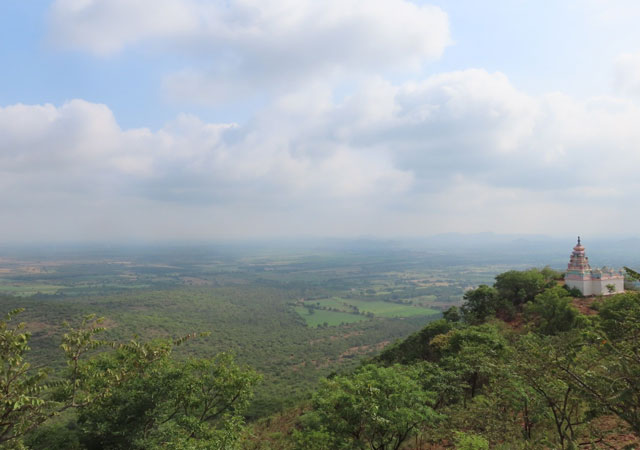
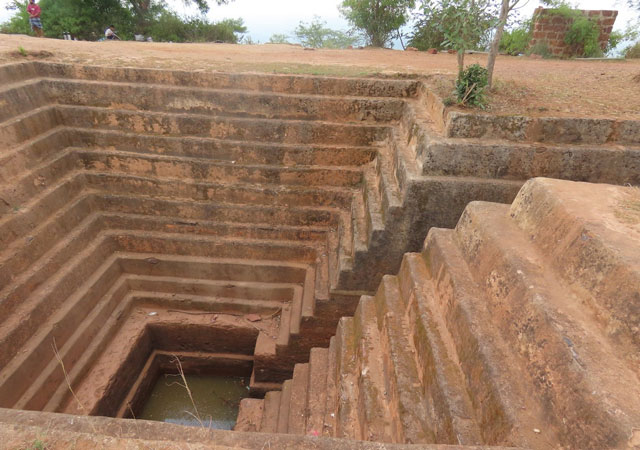
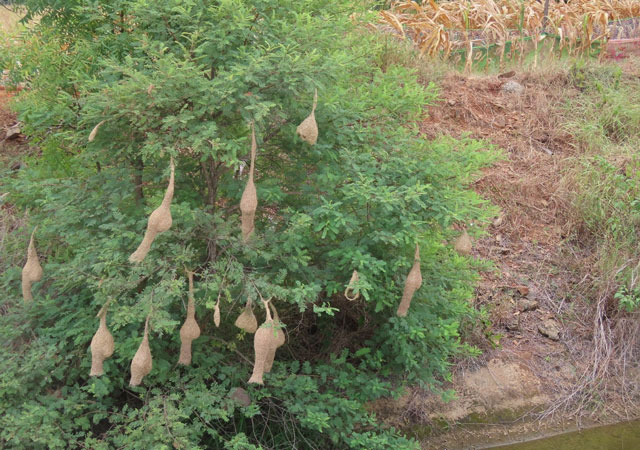
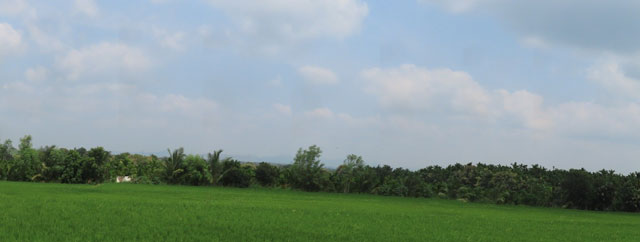
After having breakfast on the hilltop, we headed towards Airani Holematha. Most of us chose to walk all the way, enjoying the sight of lush green crops along the way. We chatted with one another, exchanged a few words with the friendly locals, and enjoyed the simple pleasure of walking through the countryside.
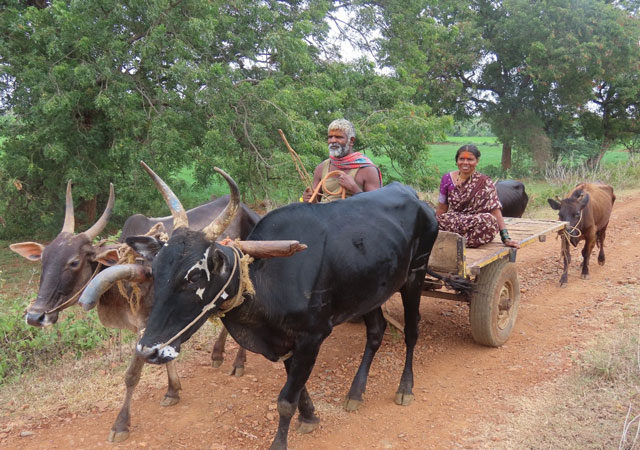
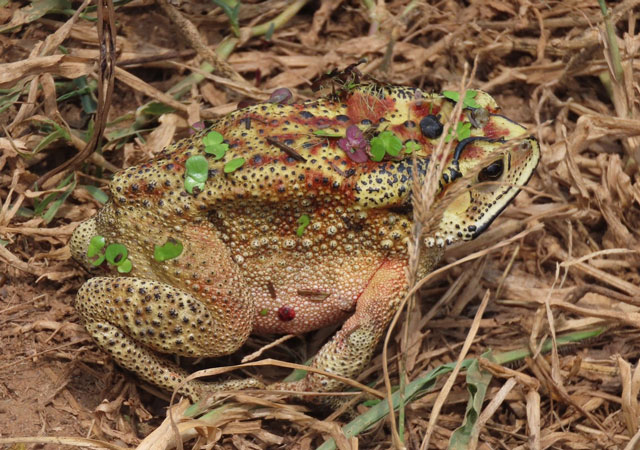
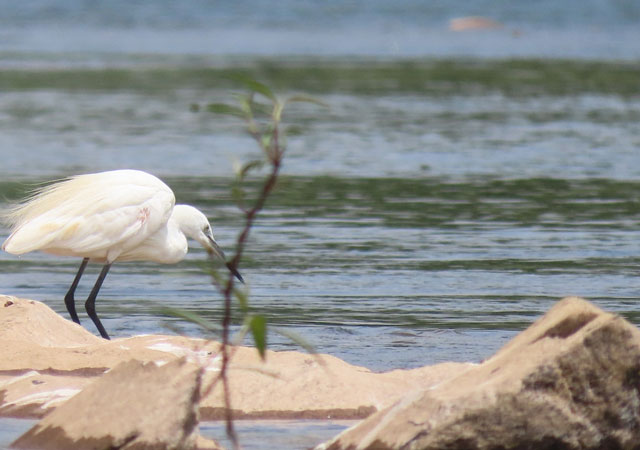
The afternoon walk was quite challenging. After reaching the matha, we refreshed ourselves in the Tungabhadra River, which flows behind it. We could see flocks of migratory birds moving about in the water. After spending some time by the river, we had lunch at the matha.
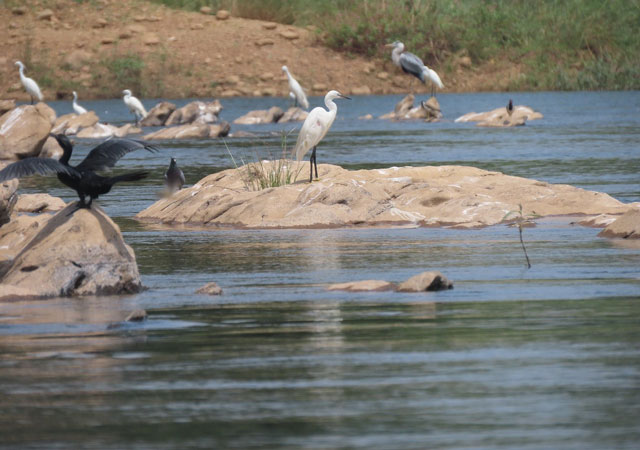
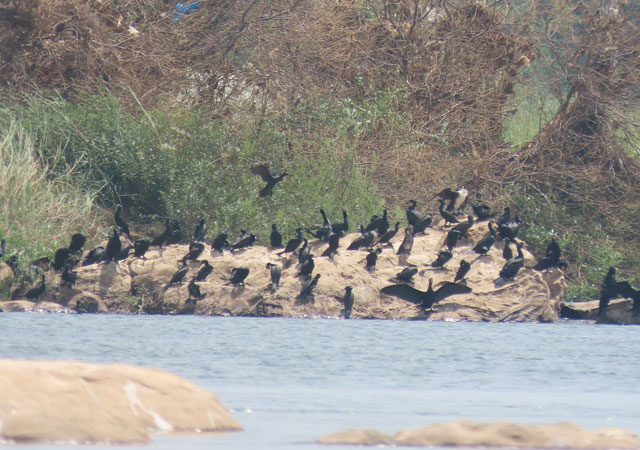
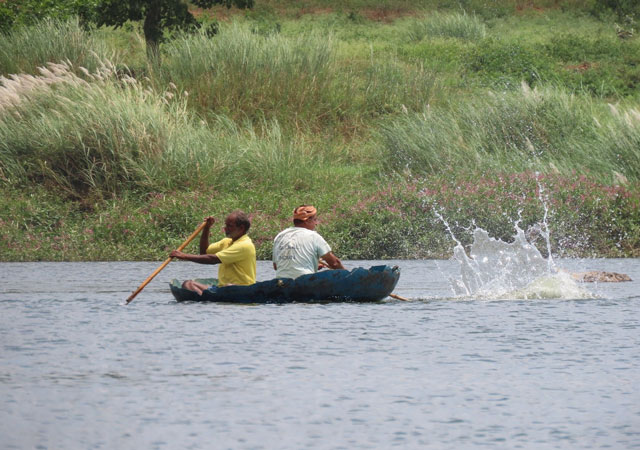
Airani Holematha is a historic Veerashaiva spiritual centre known for its religious significance and rural surroundings. Nearby is Airani Fort, another reminder of the region's historical importance.
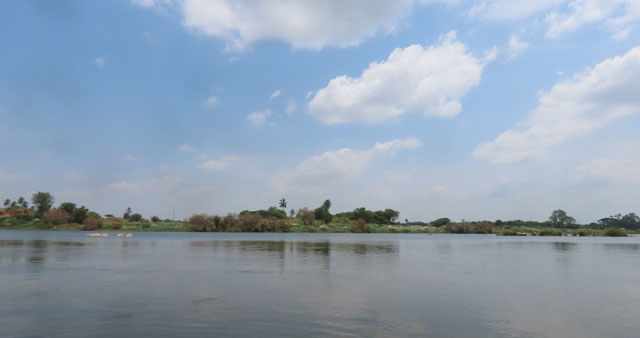
One interesting aspect of travelling through North Karnataka is that history can be found in unexpected places. It may be an old fort, a temple in a village or an ancient stone structure. These places offer glimpses into the lives of people and the kingdoms that existed in the region.
Back to Base Camp
After lunch, we headed back to our base camp at Sawkar Farm. In the evening, we had a small campfire followed by dinner.
The day concluded with a briefing about the next day's programme. After a long and tiring walk, everyone was ready for a good night's sleep, looking forward to the activities planned for the following day.
To be continued……