Daijiworld Media Network - New Delhi
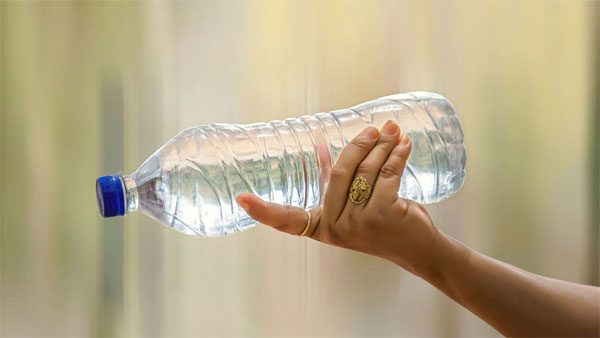
New Delhi, Dec 4: Nanoplastics formed from everyday single-use PET bottles can directly interfere with essential biological systems in the human body, according to new research from the Institute of Nano Science and Technology (INST), Mohali. The study, published in Nanoscale Advances, provides some of the clearest evidence yet that these tiny plastic particles — already known to contaminate food, water and even human tissues — have measurable and harmful biological effects.
Led by Prashant Sharma and Sakshi Dagariya of INST’s Chemical Biology Unit, the research shows that nanoplastics can significantly impair the health-promoting bacteria that support human digestion and immunity. Experiments using Lactobacillus rhamnosus revealed that long-term exposure reduced the microbe’s growth, colonisation ability and protective functions, while triggering stress responses and increasing susceptibility to antibiotics.
The findings extended beyond the gut. At high concentrations, PET-derived nanoplastics were seen to damage the membranes of red blood cells, leading to their early breakdown. Human epithelial cell models also showed clear signs of DNA damage, oxidative stress, apoptosis and inflammatory signalling after prolonged exposure, suggesting wide-ranging biological disruption.
According to the researchers, the study demonstrates that nanoplastics are not inert particles but biologically active agents capable of disturbing gut health, destabilising blood cells, and affecting cellular processes in ways that had not been fully recognised before.
By recreating nanoplastics from PET bottles in the lab and testing them across three biological systems, the team uncovered effects that also have implications for agriculture, nutrition and ecological balance — areas where microbial health and plastic pollution are closely linked.