Daijiworld Media Network - Mumbai
Mumbai, Dec 5: Plastic tiffins, once a go-to option in every Indian household for storing and carrying food, are now facing growing criticism due to the health and environmental threats they pose. Experts and environmentalists are urging citizens to make a switch to safer and sustainable food-storage options.
One of the biggest concerns associated with plastic tiffins is the risk of chemical leaching. When hot or oily food is packed in plastic containers, harmful chemicals like BPA and phthalates may seep into the food. Studies have linked these chemicals to hormonal disturbances, reproductive health issues, and even cancer risks. Heating food inside plastic containers, especially in microwaves, significantly heightens this danger.
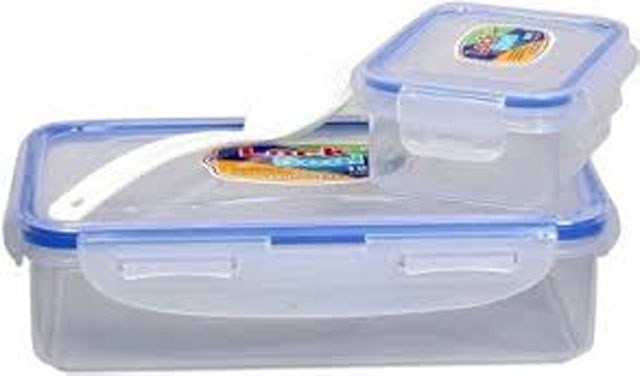
Apart from health hazards, plastic also affects food quality. Containers often absorb stains and strong food odours over time, which can transfer to freshly packed meals, making them less appetizing and increasing food wastage.
Environmental activists highlight that plastic pollution remains one of the world’s most severe challenges. Plastic tiffins take hundreds of years to decompose, and discarded plastic continues to pile up in landfills and oceans, posing a severe threat to marine life and the ecosystem. Switching to stainless steel or glass containers is seen as a responsible way to reduce household plastic waste.
In terms of durability, plastic doesn’t score well. Frequent use leads to cracks, warping, and scratches, creating breeding spots for bacteria. In contrast, stainless steel and glass tiffins are sturdy, long-lasting, and far easier to keep hygienic due to their non-porous nature.
Plastic also fails to retain temperature, making it less suitable for carrying hot lunches or chilled snacks. Stainless steel tiffins are known to maintain warmth longer, making them a preferred choice for office-goers and students.
When it comes to microwave safety, glass and ceramic remain safer options as they do not emit harmful substances under heat. Many plastic products claiming to be “microwave-safe” still carry risks that should not be ignored.
Consumers today also prefer kitchenware that looks neat and stylish. Glass and steel containers offer a premium appeal, while being completely free from toxic components.
By replacing plastic tiffins with eco-friendly choices, families can support sustainability and encourage environmentally-conscious habits within their communities.
Health experts stress that this small lifestyle change can lead to significant benefits — improved food safety, better hygiene, enhanced food taste, and a major reduction in plastic pollution.
As the world moves towards greener living, giving up plastic tiffins is a smart and essential step towards a healthier home and a cleaner planet.