Daijiworld Media Network – New Delhi
New Delhi, Dec 12: For millions of Indians, rice remains a staple on the dining table, yet in the age of rising diabetes, it has also become a source of anxiety. Experts, however, warn that the panic around rice is largely misplaced and that the real culprit is insulin resistance and modern lifestyle habits rather than the grain itself.
Dr Gagandeep Singh, founder of Redial Clinic and a specialist in reversing diabetes, obesity, hypertension, and PCOS, explained that rice does not inherently cause diabetes. “I see patients who eat the same amount of rice daily. Some stay metabolically healthy, others develop diabetes. The difference lies in their underlying metabolic health, not the rice,” he said. He cites a 2020 study in Diabetes Care showing that rice can have protective effects in some Asian populations and neutral effects in others, underscoring that it cannot be universally labelled harmful.
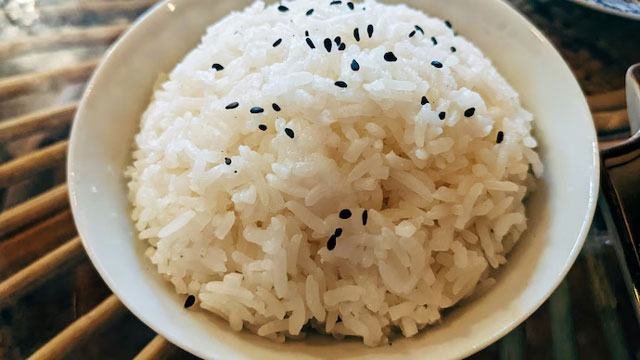
According to Dr Singh, the primary drivers of diabetes among Indians include sedentary lifestyles, high visceral fat, poor sleep, chronic stress, and a genetic predisposition, making the population three to four times more susceptible to diabetes than others globally. “Rice becomes problematic only when layered atop an already stressed metabolic system. It amplifies a pre-existing condition; it doesn’t create it from scratch,” he noted.
White rice, often tagged as a “blood sugar bomb,” is only part of the picture. Dr Singh emphasises that portion control, food pairing, and overall metabolic health play a far bigger role than the rice itself. One small bowl of rice paired with dal and vegetables produces a gentler blood sugar response than multiple bowls eaten plain. Parboiled rice, cooling and reheating rice, and adding vinegar-based pickles can further reduce post-meal glucose spikes.
Pairing rice with protein and healthy fats slows gastric emptying and protects the pancreas over time. Physical activity also increases insulin sensitivity, making the timing of rice consumption critical.
Dr Singh cautions against assuming that brown rice alone is a solution. While it has a lower glycemic index and more fiber, it cannot compensate for overeating, lack of exercise, or poor sleep. “Some patients eat three cups of brown rice daily and wonder why their diabetes hasn’t reversed. Brown rice can’t fix foundational metabolic dysfunction,” he said.
• Control portions: One katori of cooked rice contains about 45 grams of carbohydrates, suitable for most people.
• Balance the plate: Always pair rice with protein and vegetables for slower absorption.
• Time it right: Consume rice after exercise when insulin sensitivity is higher.
• Build muscle: More muscle means better glucose disposal and higher rice tolerance.
• Monitor personally: Use a glucometer to determine individual tolerance.
Dr Singh stresses that eliminating rice entirely often leads to frustration and rebound eating. “We focus on inclusion with intelligence, not exclusion out of fear,” he said.
With India now dubbed the diabetes capital of the world, rice is often unfairly blamed. Yet, experts insist that the solution lies in addressing metabolic health, lifestyle, and portion control, rather than demonising a grain that has nourished the subcontinent for centuries.