Daijiworld Media Network - New Delhi
New Delhi, Jan 22: Sharp declines in the cost of clean energy technologies such as solar panels and battery storage are reshaping India’s energy choices, offering a development pathway that was not available to China during its rapid industrial expansion a decade ago, according to an analysis by global energy think tank Ember.
When China crossed electricity consumption of 1,500 kilowatt-hours per person in 2004, coal was overwhelmingly the cheapest option, costing nearly ten times less than early-stage solar power. As a result, coal accounted for close to 70 per cent of the growth in China’s electricity generation over the following decade.
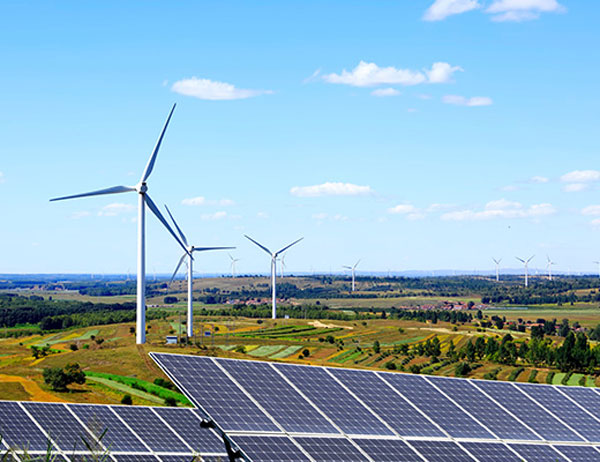
India is now reaching a similar level of electricity use per capita, but under very different economic conditions. Solar power combined with battery storage is currently about half the cost of building new coal-fired plants. This cost advantage is expected to widen further as solar and battery technologies continue to become cheaper through predictable learning curves, while coal power grows costlier due to lower utilisation and rising operational challenges.
A similar shift is visible in the transport sector. In 2011, when China’s road transport fuel consumption reached 150 litres of petrol equivalent per person, battery technology was far more expensive and electric vehicles were still at a nascent stage. In contrast, India’s road oil demand stands at about 96 litres per capita and is unlikely to rise significantly. Electric vehicles in India are already becoming cheaper than conventional internal combustion engine vehicles, a trend that is expected to reduce oil imports and cut pollution levels.
The analysis notes that the most economically sensible energy pathway for India today differs fundamentally from the route China followed during its industrial rise. India is adopting renewable energy and electric mobility much earlier in its development cycle.
In electricity generation, India reached a 5 per cent share of solar power at around $9,000 GDP per capita, whereas China achieved the same milestone only at about $23,000. Battery storage is rapidly following solar’s growth, with renewable energy tenders paired with storage rising from about 12 per cent in 2021 to nearly 50 per cent in 2024.
Coal-fired power generation in India is expected to decline year-on-year in 2025, even as solar capacity continues to expand. Projections by Ember and TERI suggest coal demand will plateau through 2030, while the International Energy Agency’s stated policies scenario also indicates that coal use in 2035 will remain close to current levels.
Taken together, the findings suggest that India is likely to reach much higher income levels without ever relying on coal to the extent China did at a comparable stage of development, marking a significant shift in the global energy transition narrative.