Latest Update
Daijiworld Media Network - Tehran
Tehran, Feb 28: In a development that has intensified global concern over the escalating conflict in West Asia, Israeli airstrikes reportedly hit two schools in Iran, killing more than 50 people, including students, according to state media reports.
An Israeli strike targeted an elementary girls’ school in Minab city in Hormozgan province of southern Iran, where at least 51 people were reported killed. Iranian authorities said the death toll could rise further as rescue operations continued at the site.
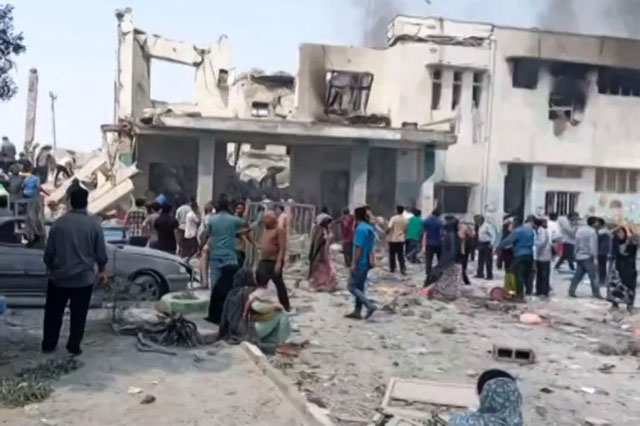
Separately, Iran’s Mehr news agency reported that at least two students were killed in another Israeli attack that struck a school east of the capital, Tehran.
The latest strikes come amid intensified bombardment by Israel and the United States, which have maintained that their operations are aimed at military targets and strategic installations linked to the Iranian regime.
However, visuals and reports emerging from the ground have brought the civilian toll into sharp focus, with Iranian officials terming the attacks a grave violation of international law. The Iranian government is expected to raise the issue at global forums, alleging aggression against civilians.
According to Iran’s Ministry of Health and Medical Education, thousands of civilians were killed or injured and critical public infrastructure damaged during the 12-day conflict between the US and Israel and Iran in June 2025.
The reported targeting of educational institutions is likely to further escalate diplomatic tensions and international scrutiny, as humanitarian agencies call for restraint and protection of civilian lives in the conflict zone.
The situation remains volatile, with fears of further retaliation and widening regional instability.
Updated
One killed in Abu Dhabi as Iran retaliates After US-Israel strikes on Tehran and Hezbollah
Daijiworld Media Network - Abu Dhabi / Dubai/ Tehran
Abu Dhabi / Dubai / Tehran, Feb 28: At least one person has been killed in Abu Dhabi after several missiles launched from Iran were intercepted, according to preliminary reports. Qatari authorities also reported intercepting two Iranian missiles using the Patriot missile defence system following a joint US-Israeli military operation against Iran.
The Israel Defence Forces confirmed launching new strikes on western Iran, targeting strategic sites. Earlier on February 28, at least three explosions were reported in central Tehran, later confirmed as Israeli airstrikes.
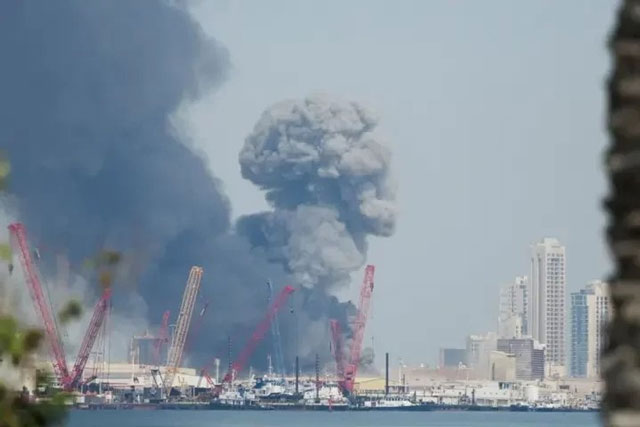
UN sources added that Hezbollah positions in southern Lebanon were also targeted.
The US and Israeli operation had been planned jointly over several months, with reported targets in Tehran including the presidential plaza and Iran’s intelligence headquarters. Following the attacks, Iran closed its airspace, with only a few flights to Tbilisi, Almaty, and Dubai permitted.
In retaliation, Iran launched attacks on US military bases in Bahrain and the Al-Dhafra Air Base in the UAE. The region is now on high alert, signalling the potential for a wider conflict.
Iran’s Revolutionary Guards reported initiating the first major wave of missile and drone strikes against Israel. Thick smoke was seen rising from the Juffair area in Bahrain, home to the US Fifth Fleet service centre, which was reportedly hit by Iranian missiles. Explosions were also reported in Manama and Abu Dhabi following Iran’s retaliatory attacks.
In Yemen, Iran-backed Houthi forces have declared they will restart missile and drone attacks on Israel via maritime routes in the Red Sea, targeting Iranian-supported sites. Reports also suggested that Iranian President Masoud Pezeshchian may have been targeted in the Israeli strikes; he was, however, reportedly unharmed.
US president Donald Trump confirmed US involvement in Israel’s operation against Iran, citing the safety of American citizens and the need to prevent Iran from acquiring nuclear weapons. He also stated that major US military operations had begun in Iran. Israeli Prime Minister Benjamin Netanyahu described the operation as “Lion’s Roar”, asserting that it marks the start of efforts to eliminate the existential threat posed by Iran’s terrorist regime. He also reiterated that the Iranian regime must not be allowed to acquire nuclear capabilities.
Israel is preparing for a prolonged multi-day conflict with Iran, while Tehran has promised a devastating response. The Middle East is now witnessing full-scale hostilities, with missile and drone strikes escalating across multiple countries.
Earlier update
Israel attacks Iran with United States' help, declares state of emergency
Daijiworld Media Network - Tehran
Tehran, Feb 28: Israel, with the help of the United States, launched a pre-emptive attack against Iran on Saturday, pushing the Middle East into a renewed military confrontation and further dimming hopes for a diplomatic solution to Tehran's long-running nuclear dispute with the West.
The first apparent strike happened near the offices of Iran's Supreme Leader Ayatollah Ali Khamenei. Iranian media reported strikes nationwide. Khamenei is reportedly not in Tehran and has been moved to a secure location, an official told Reuters.
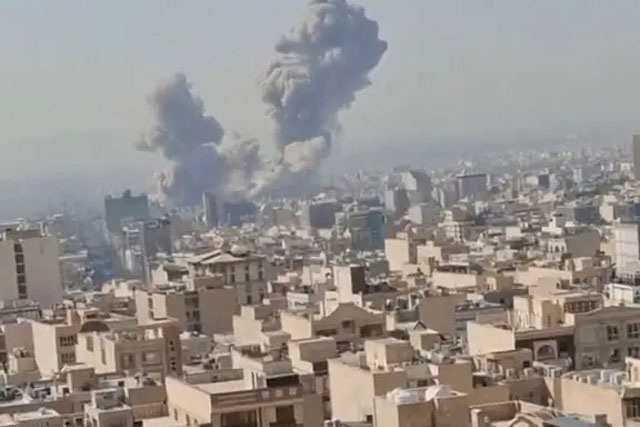
Israeli Defence Minister Israel Katz stated the operation aimed to neutralise threats to Israel. “The State of Israel launched a pre-emptive attack against Iran to remove threats to the State of Israel,” he said.
Israel’s military activated air raid sirens nationwide to warn citizens of potential retaliatory missile launches and imposed restrictions on educational activities, gatherings, and workplaces, exempting essential sectors.
The strike comes months after a 12-day aerial conflict between Israel and Iran in June and follows repeated warnings by Israel and the United States regarding Iran’s nuclear and missile programmes.
Diplomatic talks between Washington and Tehran resumed in February to avert a broader conflict, but Israel insists any agreement must include the dismantling of Iran’s nuclear infrastructure and limits on missile capabilities. Iran, while open to nuclear discussions for sanctions relief, has refused to negotiate over its missile programme and warned that countries hosting US forces could become targets.