Daijiworld Media Network - Washington
Washington, Mar 9: The United States has pledged to safeguard the crucial shipping corridor of the Strait of Hormuz and ensure the uninterrupted movement of global energy supplies as tensions with Iran intensify. American officials warned that Tehran may be underestimating Washington’s military determination amid the ongoing confrontation.
In an interview with CBS’s 60 Minutes, US Secretary of War Pete Hegseth said American forces have already dealt significant blows to Iran’s naval capabilities and are ready to continue operations to protect maritime security in the region. He claimed that Iran’s naval strength had been severely weakened and said US forces would keep targeting vessels or military assets that threaten commercial shipping routes.
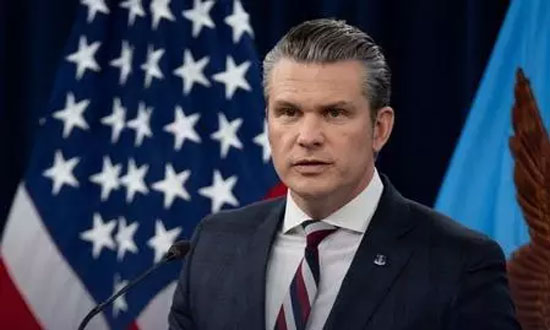
Hegseth indicated that current operations are focused on preventing disruptions to the critical waterway through which a significant share of the world’s oil shipments passes. According to him, American military power is already being used to restore confidence for commercial vessels navigating the area and to ensure that global trade continues without interference.
The US official said Washington believes it can contain the economic consequences of the conflict while continuing its military campaign. He noted that protecting global energy flows remains a key objective and added that the administration is coordinating with international partners and energy authorities to minimise any potential shock to global markets.
The remarks come as concerns grow that the confrontation could lead to broader instability in the region and disrupt energy supplies worldwide. Beyond protecting shipping lanes, Hegseth described the military campaign as a broader effort to reduce Iran’s ability to threaten US forces, regional allies and international commerce.
Referring to comments made by Donald Trump about Iran facing “unconditional surrender,” Hegseth said the strategy was aimed at ensuring Tehran ultimately loses the capacity to sustain military resistance. He suggested the conflict could reach a point where Iran would have little choice but to stop fighting once its operational capabilities were significantly degraded.
Hegseth emphasised that the current phase of the campaign represents only the beginning of US military action, signalling that further pressure could follow. He said the United States had only recently begun ramping up its operations.
The interview also touched on the broader geopolitical dynamics surrounding the conflict, including reports that Russia may be sharing intelligence with Iran regarding US military activity. Hegseth said American commanders were closely monitoring such developments and factoring them into operational planning, though he dismissed concerns that the cooperation would significantly endanger US forces.
He declined to reveal any limits to US military operations, stressing that Washington would not publicly outline the boundaries of its strategy. According to him, the United States intends to maintain flexibility and act as far as necessary to achieve its objectives.
While acknowledging that casualties could occur during the campaign, Hegseth said the United States remained committed to its mission. He noted that any American troops killed in action would be honoured for their service and sacrifice.
At the same time, he sought to distinguish the current strategy from earlier American military engagements in the Middle East, such as those in Iraq and Afghanistan. Hegseth said Washington is not seeking to reshape Iranian society or pursue a prolonged occupation, but rather to neutralise threats posed by Tehran’s military capabilities.