Daijiworld Media Network - Colombo
Colombo, Mar 19: Sri Lanka records between 8,500 and 9,500 tuberculosis (TB) cases annually, according to National Programme for Tuberculosis Control and Chest Diseases. In 2025, the country detected 8,726 cases, with pulmonary TB accounting for roughly 75% of infections. Around 5,500 patients carried infectious bacteria capable of spreading the disease, officials said.
Mizaya Cader, consultant community physician at the NPTCCD, noted that nearly 45% of TB cases are concentrated in the Western Province. Within the Colombo district, hotspots include Modara, Mattakkuliya, Borella, Wanathamulla, and Grandpass. Authorities expect a modest decline of about 500 cases in 2026, according to Xinhua.
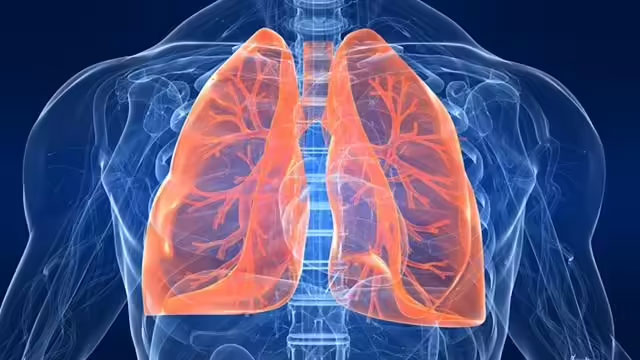
Tuberculosis is a bacterial infection that primarily affects the lungs and spreads through airborne droplets when an infected person coughs, sneezes, or spits. The disease is both preventable and treatable with antibiotics, though untreated TB can be fatal.
Globally, about a quarter of the population carries TB bacteria, though most infected individuals do not develop symptoms and are not contagious. Only 5–10% of infected people progress to active TB disease, with infants and young children at higher risk.
In countries like Sri Lanka, the Bacille Calmette-Guérin (BCG) vaccine is administered to infants and small children to prevent severe forms of TB and reduce mortality.
Health authorities continue to emphasize early detection, vaccination, and treatment to contain the spread of tuberculosis and protect vulnerable populations.