Daijiworld Media Network – Mangaluru
Mangaluru, May 5: The forest department has revealed a 60% decline in the arrival of endangered Olive Ridley turtles on the Mangaluru coast this year, despite ongoing conservation efforts over the past three years.
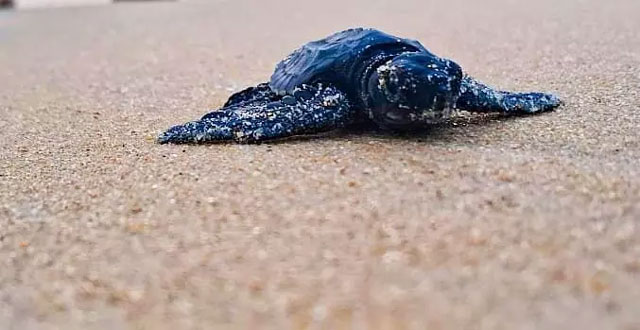
During a Mangaluru taluk panchayat KDP meeting chaired by legislator Dr Bharath Shetty on Tuesday, Mangaluru zone forest conservation officer Rajesh Baligar provided the latest data. He stated that while the department had been tracking turtle movements and conserving their eggs for three years, there was a significant drop this season. Compared to previous years, the turtles nested at only seven locations, marking a 60% decrease in their arrival. He added that out of 820 eggs conserved this year, 550 live hatchlings were successfully released into the sea.
The conservation statistics over the last three years are as follows:
-
2023-24: 21 nesting sites identified, 1,958 eggs conserved, and 927 hatchlings safely released.
-
2024-25: 24 nesting sites identified, 2,490 eggs conserved, and 1,842 hatchlings released.
-
2025-26 (current): 7 nesting sites identified, 820 eggs conserved, and 550 hatchlings released.
The conservation initiative is jointly led by the Mangaluru zone forest department and the Coastal and Marine Ecosystem unit. The coastal stretch from Kotekar to Sasihithlu has been identified as a primary arrival zone for the turtles. Significant numbers were previously spotted at Sasihithlu, Bengre, and Idya beaches since their first recorded arrival at Sasihithlu beach on December 31, 2023.
Female Olive Ridley turtles, which have an estimated lifespan of 75 years, typically visit the shores between November and May to lay their eggs. Seeking safe spots, often near parked boats to avoid harm from other animals and birds, they dig pits about two feet deep to lay their eggs before returning to the sea. The eggs hatch after 45 to 60 days, with both the nesting and hatching processes predominantly occurring at night.
To ensure the safety of the eggs, the forest department identifies the nesting sites and protects them using nets, CCTV cameras, and by appointing dedicated watchers.