Daijiworld Media Network – London
London, Apr 29: A major new study published in Nature Health has raised concerns over the long-term health effects of environmental pesticide exposure, warning that people living in high-exposure regions could face up to a 150 per cent higher risk of developing certain cancers.
The research, involving scientists from institutions including the University of Toulouse and the National Institute of Neoplastic Diseases, is being described as one of the most comprehensive real-world analyses on the subject.
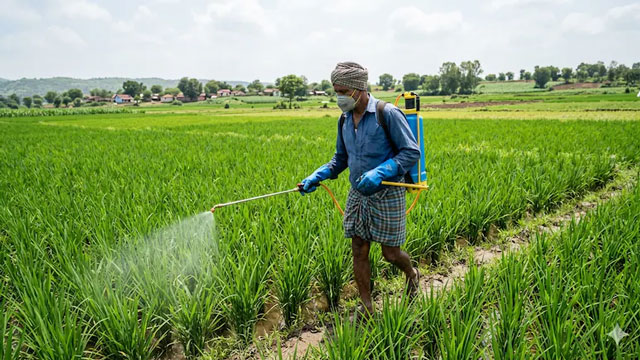
Unlike earlier studies that focused on single chemicals, the new research examined how multiple pesticides interact simultaneously — a scenario researchers say better reflects everyday exposure through food, water and air.
The study, conducted in Peru, analysed 31 commonly used pesticides and compared exposure patterns with health records of over 150,000 cancer patients between 2007 and 2020.
Researchers found a consistent link between regions with high pesticide exposure and significantly higher cancer rates. Indigenous and rural farming communities were found to be particularly vulnerable, with people in some areas exposed to an average of 12 pesticides at the same time.
The study also suggested pesticide exposure may trigger silent disruptions in normal cellular processes long before cancer develops, with the liver emerging as a key organ affected.
Researchers said current chemical safety standards may be inadequate as they typically assess one chemical at a time and may fail to account for the combined effects of multiple substances.
The findings also raised concerns that climate-related factors such as El Nino could alter pesticide use and spread, potentially increasing exposure risks further.
Though focused on Peru, scientists said the implications are global, particularly for countries with intensive agriculture and weak regulatory oversight.
The study has renewed calls for updated safety policies, stronger monitoring and a broader rethink of how environmental health risks are assessed.