Daijiworld Media Network - Tehran
Tehran, May 17: Iran’s Islamic Revolutionary Guard Corps has said that about 30 vessels were permitted to pass through the Strait of Hormuz with Tehran’s approval since Wednesday evening, marking what appears to be a partial easing of restrictions on one of the world’s most critical oil transit routes.
Iranian media reports indicated that several Chinese ships were among those cleared to pass, following what officials described as coordinated diplomatic engagement between Beijing and Tehran. State-linked outlets said the approvals were issued under Iranian-controlled transit arrangements, reflecting what they described as a strategic understanding between the two countries.
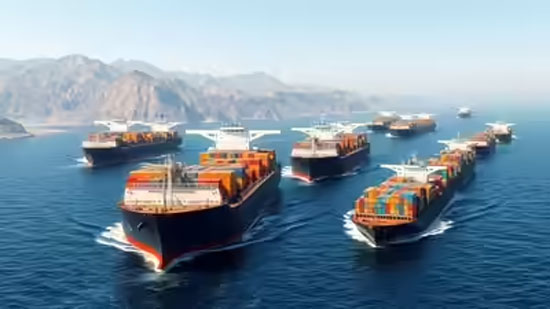
The Strait of Hormuz has remained a major flashpoint in the escalating Middle East conflict since Iran effectively asserted control over the waterway following the outbreak of war on February 28. Tehran had earlier warned that commercial vessels would require explicit Iranian permission to navigate the narrow passage, through which nearly one-fifth of global oil trade traditionally flows.
An IRGC commander, quoted by Iranian media, said that vessels associated with countries Tehran considers adversarial would still be barred from transit. The remarks suggested that Iran continues to use the strait as a strategic pressure point in its broader confrontation with the United States and Israel.
The issue was also discussed at a high-level diplomatic engagement between US President Donald Trump and Chinese President Xi Jinping in Beijing, where maintaining open access to the shipping lane was reportedly a key agenda item. The White House said both sides agreed that the waterway must remain open to ensure stable global energy supplies.
Following the talks, Trump said Xi had expressed willingness to help facilitate reopening efforts and confirmed that China would not supply military equipment to Iran, describing the assurance as firm and direct. He also quoted Xi as saying he would assist if needed in easing tensions around the maritime route.
The limited resumption of vessel movement comes amid mounting global concerns over the economic consequences of the conflict. The International Monetary Fund has warned that prolonged disruption in the region could trigger weaker global growth, higher inflation, and tighter financial conditions.
At the same time, diplomatic efforts are underway to sustain a fragile ceasefire between Israel and Lebanon, which is nearing its scheduled expiration. Talks involving Israeli and Lebanese representatives have been held in Washington in an attempt to preserve the truce despite continued hostilities.
Israeli authorities reported strikes on dozens of Hezbollah-linked targets in Lebanon, while Hezbollah claimed responsibility for drone attacks against Israeli forces. Lebanese officials, meanwhile, said thousands have been killed since March in ongoing cross-border violence.
Separately, Iranian Foreign Minister Abbas Araghchi accused the United Arab Emirates of participating in what he described as coordinated pressure against Tehran during remarks at a BRICS summit in India, further highlighting the widening diplomatic rifts across the region.