Daijiworld Media Network - Panaji
Panaji, May 23: Rising fuel prices and mounting operational expenses are pushing Goa’s restaurants and hotels to rethink the way they cook, with many eateries now shifting from traditional gas stoves to tandoor-based cooking and energy-efficient kitchen techniques.
From aloo parathas being roasted inside smoky tandoors instead of on conventional gas tawas to the growing use of advanced French cooking methods, the hospitality industry in Goa is rapidly adapting to the sharp increase in commercial LPG prices and electricity costs.
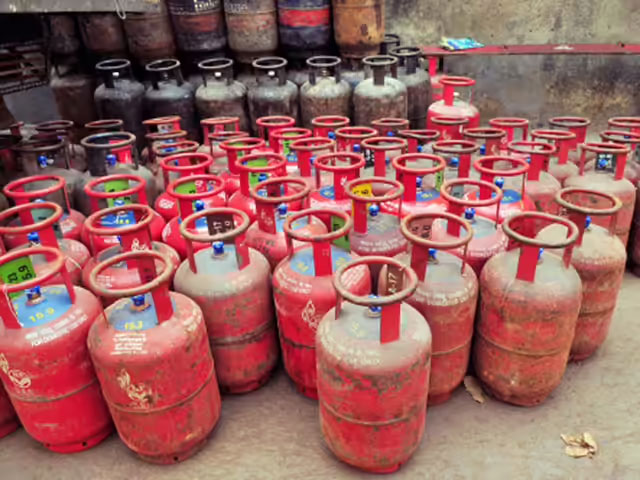
Industry representatives say commercial LPG cylinders are now priced at nearly Rs 3,150 each, placing enormous pressure on restaurants already dealing with higher utility bills and supply chain disruptions.
National Restaurant Association of India’s Goa chapter head Prahlad Sukhtankar said restaurants have so far absorbed the increased expenses instead of passing them on to customers, despite electricity bills nearly doubling in recent months.
He noted that while businesses are managing the burden for now, menu prices may eventually have to be revised if fuel costs continue to rise.
The crisis has been aggravated by tensions in West Asia and disruptions around the Strait of Hormuz, a key global shipping route for crude oil and LPG supplies. Industry estimates suggest the blockade has severely impacted fuel imports into India, which depends heavily on overseas LPG supplies.
The resulting increase in fuel and energy prices has created additional operational strain on the food and beverage industry, particularly for restaurants relying heavily on commercial gas for daily cooking.
However, the situation has also accelerated innovation across the hospitality sector.
Hotels and premium restaurants are increasingly experimenting with alternative cooking technologies and energy-saving practices. Indian Hotels Company Limited (IHCL) Goa senior vice president for operations Ranjit Phillipose said many establishments are introducing electric cooking systems in select areas, improving kitchen energy management and strengthening local sourcing to reduce transportation-related expenses.
He added that kitchens are also focusing on smarter planning and seasonal menu strategies to maintain efficiency without compromising customer experience.
At the same time, modern culinary techniques such as sous-vide cooking are becoming more common even beyond fine dining establishments. The French method, which involves slow-cooking vacuum-sealed food in temperature-controlled water baths, is now being adopted by many traditional restaurants for preparing meat dishes.
Sukhtankar said the technique has gained popularity because it helps retain moisture and flavour, producing softer and more succulent meat preparations. While earlier limited to luxury dining spaces, sous-vide cooking is now gradually entering mainstream restaurant kitchens in Goa.
Meanwhile, several smaller eateries with access to open spaces have turned to traditional wood-fired cooking methods as an alternative to expensive LPG usage. Restaurant operators say food prepared on chulhas often delivers better flavour and quality, though they admit the method is not sustainable on a large commercial scale.
Restaurant owners in Panaji have also expressed frustration over delays in the rollout of piped gas connections. Some eateries claim they were promised immediate access to piped gas infrastructure but are still waiting weeks later for supply to begin.
With fuel costs continuing to rise and energy pressures showing no signs of easing, Goa’s hospitality sector appears to be entering a phase of rapid operational transformation, blending traditional cooking practices with modern energy-saving innovations.