Daijiworld Media Network – New Delhi
New Delhi, May 27: An AIIMS-linked study has raised serious concerns over a growing but largely unnoticed mental health crisis among adolescents in rural north India, revealing that one in six teenagers reported experiencing a major stressful event within a span of six months.
The study, published in the Indian Journal of Community Medicine, was conducted across 28 villages in Haryana involving 583 adolescents. It identified academic pressure, poverty, bullying, domestic violence and family conflict as major triggers behind depression, anxiety and suicidal thoughts among teenagers.
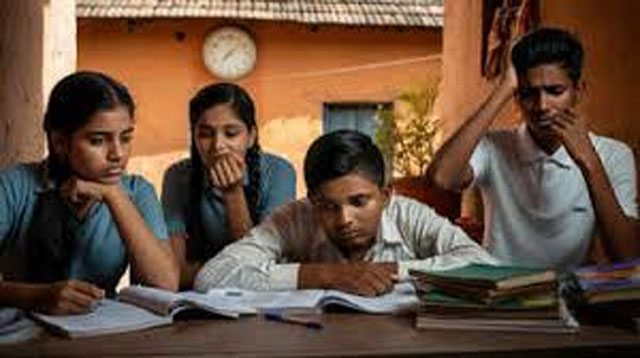
Researchers noted that many adolescents considered sadness, hopelessness and even suicidal thoughts as a “normal part of life” due to a lack of awareness about professional mental healthcare services.
“Academic pressures remain a common stressful factor in young people’s lives,” the study observed, warning that fear of failure, poor academic performance and school-related stress were repeatedly linked to emotional breakdowns, school dropouts and suicidal tendencies.
The research documented several disturbing real-life experiences. One teenager who lost both parents admitted he had contemplated suicide but avoided speaking about his emotional struggles fearing it would bring “disrepute” to his late parents. Another adolescent, forced to leave school and work as a labourer after his family lost their home in a legal dispute, said he often wished he “did not exist”.
The study also identified bullying, humiliation and violence within families as major but often ignored mental health triggers. Researchers cited instances of teenagers avoiding school activities due to body shaming and others engaging in self-harm following repeated conflicts at home and humiliation in school.
The paper warned that adolescent suicides in India were increasingly linked to examination pressure, family disputes, ragging, mobile phone restrictions and emotional distress.
Citing National Crime Records Bureau (NCRB) data, the study noted that around six per cent of all suicide deaths in India involved individuals below 18 years of age, while students accounted for 7.6 per cent of total suicide victims.
Researchers found that poverty and unstable family environments were significantly affecting adolescent mental health. More than 57 per cent of participants reported substance abuse among caregivers, particularly involving alcohol and tobacco, while many described homes affected by violence, verbal abuse and financial hardship.
The study further highlighted that food insecurity, unemployment and lack of educational opportunities were forcing many adolescents to discontinue studies and start earning at an early age. Girls in several villages reportedly faced restrictions on education due to safety concerns and social norms, while boys frequently skipped school to engage in daily wage labour.
The researchers warned that untreated mental health problems during adolescence often continue into adulthood. However, emotional distress was frequently normalised within families and communities, while social stigma prevented teenagers from seeking professional help.
The paper pointed out that India’s mental health treatment gap remains nearly 83 per cent.
The authors called for urgent investments in school counselling systems, adolescent-friendly health clinics, early mental health screening and community-based support programmes. They also recommended expanding services such as Tele-MANAS and training teachers, nurses and community health workers to identify early warning signs of mental distress.
“Relatively modest, well-targeted investments can avert long-term individual suffering and societal costs,” the researchers said, stressing that adolescent mental health must be treated as both a public health priority and an economic necessity for the country’s future.