Daijiworld Media Network - Bengaluru
Bengaluru, May 31: Schizophrenia remains one of the most misunderstood mental health conditions, with experts warning that stigma, delayed diagnosis and misinformation often prevent patients from receiving timely treatment and support.
Mental health specialists say schizophrenia affects the way a person thinks, feels, behaves and perceives reality. Contrary to common misconceptions, it is not a split personality disorder and does not indicate weakness, moral failure or an inability to recover.
The condition is often marked by symptoms such as hearing voices, developing false beliefs, disorganised thinking, social withdrawal and difficulty functioning in daily life. Doctors classify these as positive symptoms, including hallucinations and delusions, and negative symptoms, such as reduced motivation, emotional expression and social engagement.
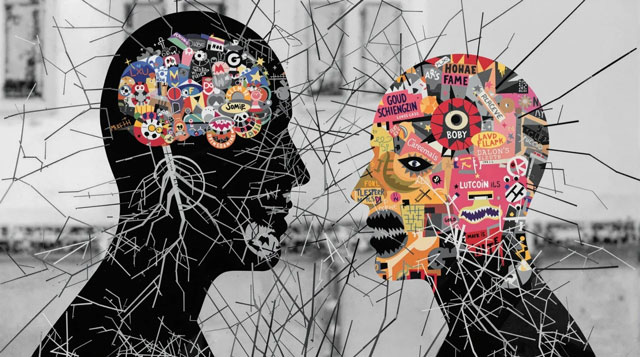
Experts note that schizophrenia frequently begins with subtle changes that families may overlook. Declining academic performance, withdrawal from friends and family, disturbed sleep patterns, unusual fears and increasing suspicion are often among the earliest warning signs.
According to the World Health Organization, schizophrenia is a serious mental health condition associated with psychosis, disability and social stigma. However, many individuals can lead meaningful and productive lives with proper treatment and support.
The issue recently gained global attention after remarks by Robert F. Kennedy Jr. suggesting that a ketogenic diet could cure schizophrenia. Mental health experts have clarified that while researchers continue to study the role of metabolic interventions, there is currently no scientific evidence showing that diet alone can cure the condition.
Psychiatrists emphasise that schizophrenia requires comprehensive treatment involving medication, psychological support, family education and rehabilitation. Antipsychotic medicines remain the cornerstone of treatment, helping reduce hallucinations, suspiciousness and disorganised thinking.
Doctors also stress the importance of early intervention. Studies show that prolonged untreated psychosis can significantly affect education, employment, relationships and long-term recovery outcomes.
Mental health professionals point out that many patients do not realise they are unwell because the illness itself affects insight. As a result, families often struggle to convince loved ones to seek medical help.
In India, stigma continues to be one of the biggest barriers to treatment. Many families initially attribute symptoms to stress, substance use, spiritual causes or personal behaviour, delaying psychiatric consultation. Concerns about social judgement, marriage prospects and employment opportunities often lead families to conceal the diagnosis.
Experts say recovery should not be measured solely by the disappearance of symptoms. Improvements such as regular sleep, better self-care, returning to studies or work, and rebuilding social relationships are equally important indicators of progress.
They also highlight the critical role played by caregivers, who often become the primary support system for patients. Family members are encouraged to remain patient, avoid arguing about delusions, monitor treatment adherence and seek professional guidance whenever necessary.
Mental health specialists have called for greater awareness in schools, colleges and workplaces to help identify early warning signs and ensure that individuals experiencing psychosis receive timely and compassionate care.
People seeking mental health support can access services through the Government of India's Tele-MANAS helpline and institutions such as National Institute of Mental Health and Neurosciences, which provide psychiatric and community mental health services across the country.