Daijiworld Media Network - Tehran/New Delhi
Tehran/New Delhi, Jun 23: Iran on Tuesday accused the United Arab Emirates (UAE) of enabling military operations against its territory by allowing bases within the Gulf nation to be used for attacks targeting Iranian civilian infrastructure, including schools and hospitals.
Speaking at the 16th Meeting of Heads of Security Agencies and National Security Advisers of BRICS nations in New Delhi, Deputy Secretary of Iran's Supreme National Security Council Ghadir Nezamipour strongly rejected allegations levelled against Tehran by a UAE representative and defended Iran's position on the ongoing regional conflict.
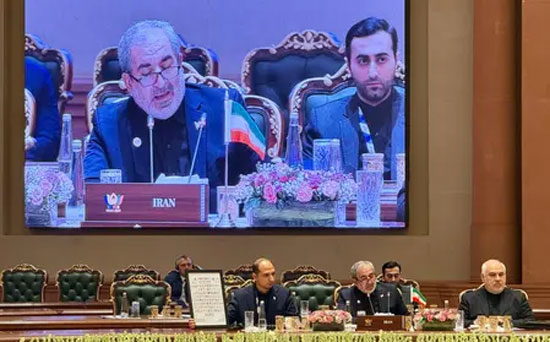
Addressing delegates, Nezamipour said the recent escalation in West Asia was initiated by the United States and Israel, alleging that parts of the attacks on Iran originated from facilities located inside the UAE.
"The world witnessed that the United States and the Zionist regime were the initiators of the aggression and the crisis in the Strait of Hormuz. Some of these attacks were launched from bases situated on the territory of the United Arab Emirates. Instead of condemning these actions, the UAE directly participated in the aggression and allowed its territory to be used for attacks against Iran's civilian infrastructure, schools and hospitals," he said.
He urged the UAE to embrace regional cooperation and peaceful engagement, expressing hope that Abu Dhabi would uphold the principles of good neighbourliness rather than pursue what he described as "propaganda and adventurism."
During his presentation, Nezamipour displayed photographs of children from Minab whom Iran says were killed during the opening day of the conflict. The Iranian Embassy in India later shared the image on social media, stating that it highlighted the human cost of the attacks.
His remarks came shortly after Iranian President Masoud Pezeshkian and US President Donald Trump reportedly signed a memorandum of understanding remotely, extending a ceasefire by 60 days and paving the way for negotiations over Iran's nuclear programme and broader regional security concerns.
The agreement effectively ended nearly four months of hostilities between the two countries and opened a fresh window for diplomatic engagement aimed at resolving longstanding disputes.
India is currently hosting the BRICS National Security Advisers' Meeting in New Delhi, where senior security officials from member nations are discussing emerging global security threats, regional stability and avenues for strengthening strategic cooperation among participating countries.