Daijiworld Media Network – New Delhi
New Delhi, Jul 23: Menstruation is commonly associated with cramps, mood swings and fatigue, but hormonal changes during periods can also have a significant impact on the digestive system.
Experts say fluctuations in hormones, especially the release of prostaglandins that help the uterus contract, can also affect the intestines, leading to temporary changes in bowel habits and stomach discomfort.
Many people experience more frequent bowel movements during their periods as prostaglandins can stimulate the intestines, making the digestive system more active.
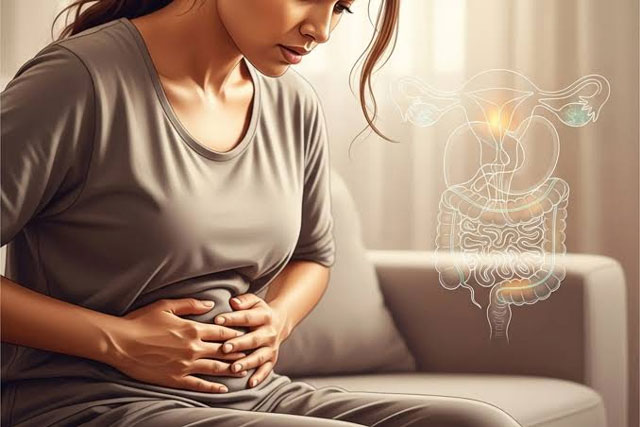
Bloating and water retention are also common menstrual symptoms. Hormonal changes can cause the body to retain more water and slow down digestion, resulting in a swollen or heavy feeling in the abdomen.
Some may also experience increased gas and abdominal discomfort during this time. Slower digestion before menstruation and hormonal fluctuations can contribute to excessive gas.
While some people experience diarrhoea during their periods, others may face constipation in the days leading up to menstruation. Rising progesterone levels before the period begins can affect bowel movement and slow digestion.
Periods can also bring temporary nausea, particularly among those who experience painful cramps. This usually improves after the initial days of menstruation.
Changes in appetite and food cravings are another common experience. Hormonal fluctuations can increase hunger or trigger cravings for certain foods before or during periods.
However, while mild digestive changes are considered normal during menstruation, medical advice should be sought if symptoms are severe, persistent or unusual.
A healthcare professional should be consulted in case of severe or prolonged diarrhoea or constipation, blood in stools, intense abdominal pain that does not improve with usual pain relief, vomiting, high fever, signs of dehydration, or digestive issues that continue even after the period ends.