Daijiworld Media Network - Bengaluru
Bengaluru, Jul 26: The Drugs Controller General of India (DCGI) has approved Qdenga, a dengue vaccine designed to reduce the risk of infection, severe illness and hospitalisation, with healthcare experts describing the move as a significant step forward in the country's fight against the mosquito-borne disease.
The approval comes as Karnataka continues to report fluctuating dengue cases. According to data from the state's Health and Family Welfare Department, reported cases increased from 93 in the first week of July to 129 in the second week before rising sharply to 229 in the third week.
Dr G Nasiruddin, consultant in internal medicine, said dengue continues to place a heavy burden on healthcare systems during the monsoon, with seasonal outbreaks often leading to severe illness and increased hospital admissions.
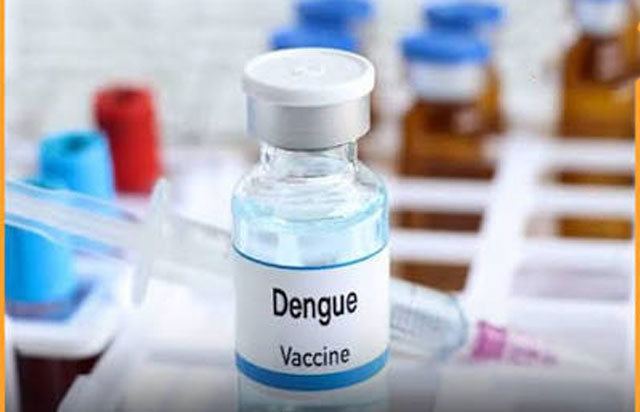
"The vaccine, when introduced through a well-structured immunisation strategy, has the potential to significantly reduce symptomatic cases, severe dengue and hospitalisations, particularly in high-risk regions," he said.
He added that vaccination should complement existing mosquito control measures, community participation and public awareness campaigns for effective dengue prevention.
Qdenga is administered as two subcutaneous doses given three months apart. Doctors recommend the vaccine for individuals aged between four and 60 years who live in or travel to dengue-endemic regions. However, it is not recommended for pregnant or breastfeeding women.
Dr Priyanka Prakash, associate consultant in infectious diseases, said clinical studies showed the vaccine was around 80 per cent effective in preventing laboratory-confirmed dengue and approximately 90 per cent effective in preventing dengue-related hospitalisation during the first year after vaccination.
She added that protection against hospitalisation remained high at 84 per cent for up to 4.5 years, although its effectiveness against dengue virus serotypes 3 and 4 was lower among individuals with no previous dengue infection.
Dr Sandeep S Reddy, consultant in infectious diseases, said the vaccine would not be administered to children with weakened immune systems or those receiving high-dose steroid treatment. While prior blood testing for previous dengue infection is not mandatory, he advised doctors to carefully evaluate a child's medical history before vaccination.
Dr A N Venkatesh, senior consultant and head of emergency medicine, said the vaccine helps reduce the severity of dengue but does not provide complete protection against infection.
He stressed that preventive measures against mosquito bites should continue even after vaccination and urged people experiencing fever or symptoms suggestive of dengue to seek medical attention without delay.