Daijiworld Media Network - New Delhi
New Delhi, Jul 26: Researchers have found that microplastics are present in a majority of liver cancer samples and that one specific type — polyvinyl chloride (PVC) — may reduce the effectiveness of radiotherapy by altering the body's immune response.
The study examined 72 hepatocellular carcinoma (HCC) samples, the most common form of primary liver cancer, and detected microplastics in 52 of them. HCC is commonly treated with radiotherapy in patients with intermediate and advanced stages of the disease, although treatment resistance remains a major challenge.
The researchers investigated whether different types of microplastics, which have previously been detected in various tumours and are known to influence immune responses, could affect radiotherapy outcomes. While several types of microplastics were identified in the tumour samples, only PVC was found to significantly influence the effectiveness of treatment.
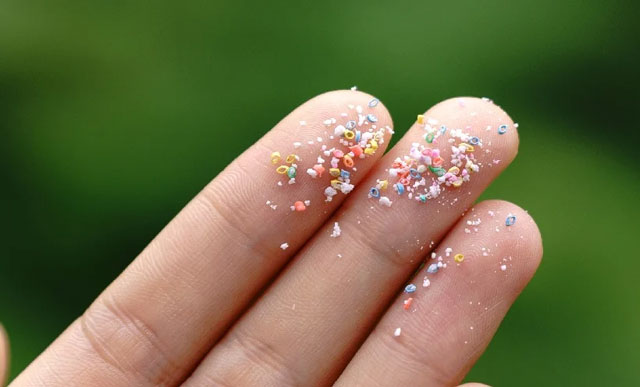
According to the study, PVC altered cholesterol distribution within tumours and affected the differentiation of CD8+ T cells, which play a vital role in the body's immune defence against cancer. These changes helped maintain an immunologically "cold" tumour microenvironment, where immune activity against cancer cells is limited, potentially reducing the effectiveness of radiotherapy.
Further analysis revealed that radiation increased histone lactylation, promoting the production of HMG-CoA reductase in HCC cells. This process enhanced cholesterol synthesis and supported the stem-like properties of CD8+ T cells, which are associated with improved anti-tumour immune responses.
The researchers also found that a high-cholesterol diet restored CD8+ T cell stemness and improved the response to radiotherapy in experimental models of PVC-infiltrated HCC. The findings suggest that targeting cholesterol metabolism could become a potential strategy to enhance radiotherapy outcomes in patients with PVC-infiltrated liver cancer.
However, the researchers cautioned that the study does not establish that microplastics directly cause resistance to radiotherapy. They said further research is required to determine the clinical significance of microplastic exposure and to assess whether therapies targeting cholesterol metabolism could benefit patients in the future.
The findings also add to the growing body of research exploring the possible impact of environmental microplastic exposure on human health and cancer treatment.