Daijiworld Media Network – New Delhi
New Delhi, Aug 25: Hearing your stomach rumble does not always mean that you are hungry. These sounds, medically known as borborygmi, are a normal part of digestion and are caused by the movement of gas, fluids and digestive contents through the stomach and intestines.
Dr Nirdesh Chauhan, consultant gastroenterologist at Fortis Escorts Hospital, Faridabad, said stomach sounds can occur at different stages of digestion and are usually harmless. However, persistent rumbling accompanied by other digestive complaints may need medical attention.
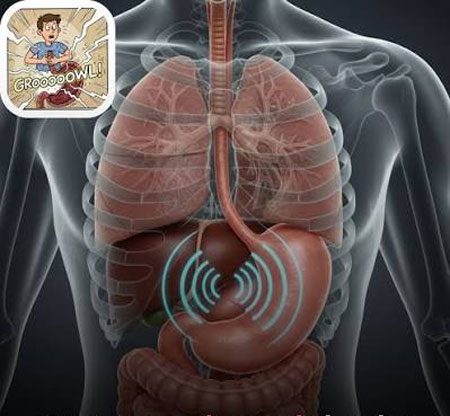
One reason for stomach growling is the digestive tract's natural housekeeping process. Around 90 to 120 minutes after the stomach empties, the Migrating Motor Complex (MMC) triggers contractions that help move leftover food particles, bacteria and dead cells through the digestive tract. When the stomach contains less food, the movement of air and fluid can become louder and more noticeable.
These sounds can also occur after meals. Muscular contractions called peristalsis continuously mix and move food through the digestive system. As food, digestive fluids and air pass through the intestines, they can produce rumbling and gurgling sounds.
Swallowing excess air can make the sounds more prominent. Eating quickly, chewing gum and drinking through a straw can increase the amount of air entering the digestive tract. Gut bacteria also produce gas while breaking down carbohydrates, and the movement of gas through the intestines can add to abdominal noises.
Stress and anxiety may also influence stomach sounds. The digestive system and brain are connected through the gut-brain axis, and stress can increase gut activity, making digestive noises more noticeable.
Occasional stomach rumbling is generally a normal part of digestion. However, persistent sounds accompanied by severe abdominal pain, continued bloating, nausea or changes in bowel habits should not be ignored.
Such symptoms may sometimes point to an underlying digestive condition, including malabsorption or gastrointestinal motility disorders. If they continue, consulting a gastroenterologist can help identify the cause and determine whether further tests are needed.