Daijiworld Media Network - Pune
Pune, Sep 9: Vector-borne diseases, including dengue and chikungunya, have been on the rise in Pune over the past few weeks amid hot and humid weather, leading to an increase in hospital admissions and prompting civic authorities to intensify action against mosquito breeding sites.
Doctors have warned people against ignoring persistent fever, saying some dengue patients tend to delay seeking medical attention because the fever may temporarily subside during the day before returning in the evening.
A doctor at a leading city hospital said some patients were reporting for treatment and admission only after suffering from fever for several days.
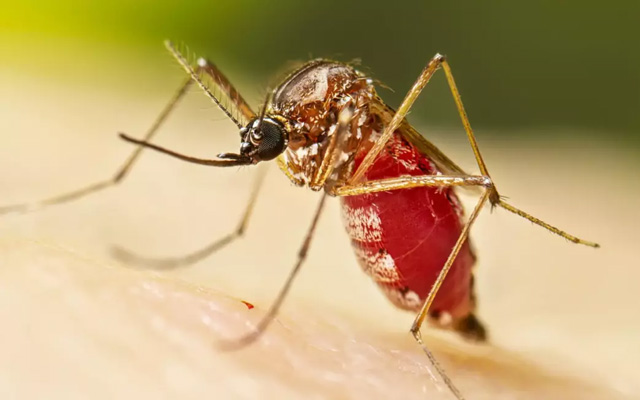
“The fever in dengue patients gives confusing signals in the initial phase, as it often subsides during the day and intensifies in the evening. Some patients may feel they are recovering, but that is a dangerous misconception,” the doctor said.
Dr Dattatraya B Patil, consultant physician at Noble Hospitals and Research Centre, said there had been a rise in viral fever cases in the hospital's outpatient department.
“There has been a rise in the number of viral fever cases in our OPD. About 15–20% of these patients are testing positive for dengue. Patients should not ignore symptoms such as high-grade fever, eyeball pain, headaches, body and joint pain, vomiting, and loose motions. Dengue requires urgent attention; however, with proper medication and early treatment, it can be managed effectively,” he said.
Several severe cases requiring intensive care unit (ICU) admission have also been reported recently.
Infectious diseases expert Dr Sujata Rege said hospitalisations due to dengue and dengue-like fever had increased, although such a trend was common during the monsoon.
“While there is a rise in hospitalisations due to dengue and dengue-like fevers, this is a common trend every monsoon. Patients with a prior history of dengue may experience a faster drop in platelet counts than those infected for the first time. However, the treatment remains the same regardless of the strain,” she said.
According to Pune Municipal Corporation (PMC) assistant health officer Dr Rajesh Dighe, the civic body does not independently investigate the dengue strains circulating in the city as it requires specialised infrastructure.
“We collaborate with the National Institute of Virology for this purpose, though the reports we receive typically only indicate whether samples are positive or negative for dengue,” he said.
As of September 7, Pune had recorded 1,266 suspected dengue cases and 47 laboratory-confirmed cases, while 21 chikungunya cases had also been reported, according to PMC data.
The number of suspected dengue cases has risen sharply since the monsoon. Pune recorded 175 suspected cases in June, 323 in July and 484 in August, with another 111 suspected cases reported during the first seven days of September.
The civic body has also intensified its crackdown on mosquito breeding sites. More than 2,200 notices have been issued and fines exceeding Rs 4 lakh collected, Dr Dighe said. Other reports put the number of notices at 2,231 and the total fine at around Rs 4.04 lakh.
Meanwhile, the Pimpri Chinchwad Municipal Corporation (PCMC) has inspected approximately 4.37 lakh homes, identifying mosquito breeding sites at around 3,900 locations. The civic body issued notices to 2,838 individuals and collected fines totalling more than Rs 10 lakh.
Pimpri Chinchwad has so far recorded 16 confirmed and 684 suspected dengue cases, according to the latest figures.
The civic action comes amid concerns over stagnant water left behind by intermittent monsoon showers, which has created favourable conditions for mosquito breeding. PMC has intensified anti-larval measures, fogging and containment activities around the homes of patients testing positive for dengue and chikungunya.
At a recent meeting chaired by additional municipal commissioner Pavneet Kaur, the PMC announced a “Stop Dengue” campaign and directed all civic departments to contribute to mosquito-control efforts.
Kaur said the health department would identify and destroy mosquito breeding sites, while the encroachment department would ensure that rainwater did not accumulate in materials seized during anti-encroachment drives.
The encroachment department has also been asked to act against businesses conducting unauthorised tyre and puncture-related activities on roads and footpaths, where stagnant water can provide breeding grounds for mosquitoes.
The solid waste management department has been directed to remove unusable materials from public spaces and create awareness about proper garbage collection and precautions against mosquito-borne diseases.
Civic officials have urged residents to ensure that water does not remain stagnant in and around homes, offices and other premises, as even small quantities of stagnant water can become breeding sites for mosquitoes.