Daijiworld Media Network – New Delhi
New Delhi, Sep 9: Polycystic Ovary Syndrome (PCOS) and Polycystic Ovarian Disease (PCOD) are often used interchangeably, but they are not the same condition. While both can cause similar symptoms, they differ in their effects on the body and require different approaches to management.
According to Tamanna Singh, founder of Menoveda and a menopause and hormonal health coach, understanding the difference is important as it can influence how women respond to their symptoms, seek diagnosis and manage their long-term health.
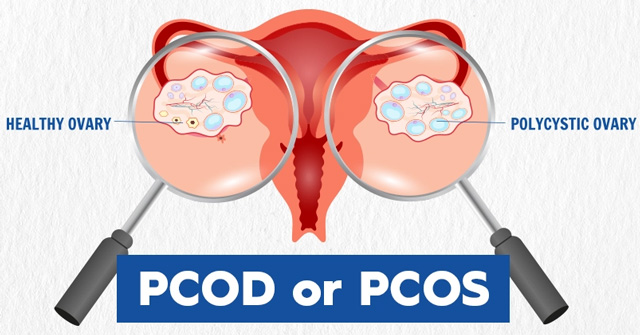
PCOD occurs when the ovaries release immature or partially mature eggs, which may develop into small cysts. It is generally considered less complex and can often be managed through lifestyle changes such as a balanced diet, regular exercise and maintaining a healthy weight. Many women with PCOD can also conceive naturally.
PCOS is a more complex hormonal and metabolic condition that affects the body beyond the ovaries. Women with PCOS may have elevated androgen levels and insulin resistance, which can increase their risk of developing type 2 diabetes and cardiovascular problems.
The two conditions are frequently confused because they share several symptoms, including irregular periods, acne, weight-related problems, excessive hair growth and hair loss. However, the presence of cysts on an ultrasound does not automatically indicate PCOS. An ultrasound alone cannot confirm the condition, and doctors may consider menstrual history, hormone blood tests and scan findings before making a diagnosis.
Management depends on the individual's condition and symptoms. While PCOD may often improve with lifestyle changes, PCOS may require a more comprehensive approach involving lifestyle modifications and, when necessary, medication to address insulin resistance or hormonal imbalance.
Experts advise women not to self-diagnose based on symptoms or an ultrasound report. Consulting a doctor and understanding whether the diagnosis is PCOD or PCOS can help ensure appropriate treatment. For women with PCOS, long-term management is particularly important because of the associated metabolic risks.