Daijiworld Media Network - Tehran
Tehran, Sep 13: Iran, Iraq and Turkey have stressed the need to prevent any further escalation of tensions and expansion of conflicts in the West Asia region, according to statements issued by Iran’s Foreign Ministry early Sunday.
The issue was discussed in separate phone calls on Saturday between Iranian Foreign Minister Seyed Abbas Araghchi and his Turkish and Iraqi counterparts.
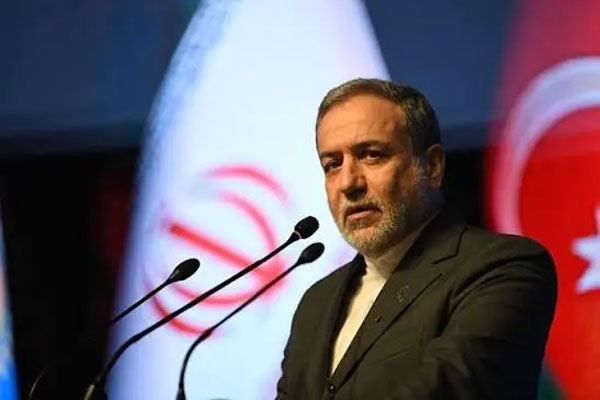
During a conversation with Turkish Foreign Minister Hakan Fidan, Araghchi and Fidan reviewed the latest regional developments and underscored the importance of preventing further escalation and the spread of regional conflicts, Xinhua news agency reported.
The two sides also called for continued consultations and diplomatic efforts aimed at promoting regional stability and peace.
In a separate phone call, Araghchi and Iraqi Foreign Minister Fuad Hussein discussed bilateral matters, regional developments and ongoing processes.
The two ministers stressed the importance of maintaining **stability and security along the Iran-Iraq border** and continuing coordination between the two countries.
They also called for responsible approaches to developments in the region and urged efforts to prevent conflicts from escalating or spreading further.
Iran, Oman agree on new Strait of Hormuz routes
Meanwhile, Iran and Oman have agreed on details concerning new entry and exit routes for the Strait of Hormuz and will brief Gulf countries on the outcome of their consultations at a regional meeting in Muscat on Monday, Iranian officials said on Saturday.
Citing a source close to Iran’s negotiating team, semi-official Tasnim news agency reported that the understanding followed “intensive technical and diplomatic talks” between Iran and Oman, which culminated in a final agreement in late August.
Under the understanding, the Gulf’s entry route would lie entirely within Iranian territorial waters, while part of the exit route would also pass through Iranian territorial waters, the source said.
The source added that the route would operate under Iranian arrangements. The southern route of the waterway would be closed once the new system becomes operational.
According to the source, the United States had insisted that the southern route should remain open.