Daijiworld Media Network - Hyderabad
Hyderabad, Nov 16: Diabetes, once commonly associated with older adults, is increasingly affecting people in their 20s and 30s, with doctors at Amor Hospitals raising concerns over unhealthy eating habits, late-night snacking, stress, inadequate sleep and sedentary lifestyles.
On the occasion of World Diabetes Day, observed on November 14, doctors highlighted the importance of early screening, timely identification of insulin resistance and healthier lifestyle choices to prevent Type 2 diabetes among younger people.
Dr Lingaiah Miryala, Senior Consultant Physician and Diabetologist at Amor Hospitals, said the age profile of people diagnosed with diabetes had changed significantly over the years, with an increasing number of cases being reported among individuals below 30, particularly after the COVID-19 pandemic.
He attributed the growing risk to frequent consumption of ultra-processed foods such as chips, instant noodles, refined carbohydrates and sugary beverages. Late-night eating, irregular sleep patterns, stress and inadequate physical activity were further contributing to metabolic health problems.
Dr Miryala advised young adults to maintain regular meal timings, avoid heavy meals late at night and include healthier, fibre-rich foods in their diets. People working night shifts should also plan their meals carefully and limit sugary drinks and calorie-dense snacks.
Dr L Sunandhini, Internal Medicine Specialist at Amor Hospitals, pointed out that diabetes could develop silently, with many people remaining unaware of elevated blood glucose levels until routine health assessments reveal abnormal results.
Unexplained weight loss, excessive thirst, frequent urination, unusual tiredness and tingling sensations in the limbs could indicate high blood sugar levels, she said. However, these symptoms might not appear in everyone, making regular screening essential.
She particularly advised people with obesity, a family history of diabetes or other metabolic risk factors to undergo timely medical evaluation.
Doctors recommended that adults, particularly those above 30 and individuals with additional risk factors, discuss regular blood glucose screening with their healthcare providers.
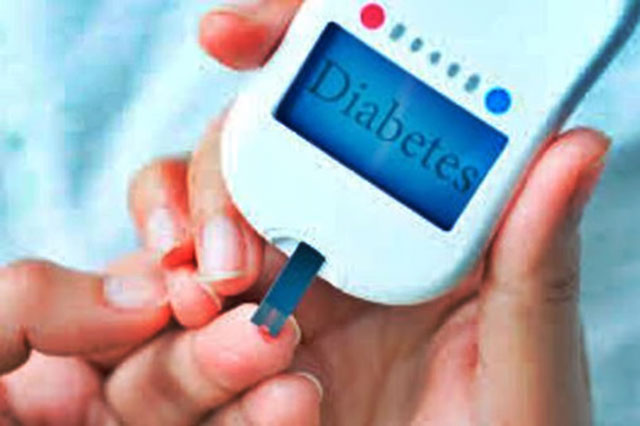
Tests such as fasting blood glucose and glycated haemoglobin (HbA1c) can help identify diabetes and prediabetes. Further clinical evaluation may also help detect insulin resistance, a condition in which the body's cells respond less effectively to insulin, increasing the risk of Type 2 diabetes.
Identifying these metabolic changes early provides an opportunity to take preventive measures through dietary improvements, regular physical activity and weight management before diabetes develops.
Dr Kishore B Reddy, Managing Director of Amor Hospitals, described the increasing incidence of diabetes among younger generations as a serious public health concern.
He emphasised that prevention should begin before complications arise, highlighting the importance of early diagnosis, preventive screening and comprehensive diabetes management.
He also encouraged young people to adopt small but consistent lifestyle changes and seek timely medical guidance to reduce their risk of long-term health complications.
Doctors cautioned that uncontrolled diabetes could affect several vital organs, including the heart, kidneys, nerves and eyes. In severe cases, it could also lead to metabolic emergencies such as diabetic ketoacidosis, which may require intensive care.
They urged people to prioritise regular health assessments, balanced nutrition, physical activity and timely medical consultation to reduce their risk of diabetes and associated complications.
Amor Hospitals emphasised that early detection, preventive screening and sustained lifestyle changes were essential to addressing the growing burden of diabetes among young adults.