Daijiworld Media Network - Mumbai
Mumbai, Nov 16: Pancreatic cancer is one of the more challenging forms of cancer to detect and treat, largely because it often develops without noticeable symptoms in its early stages. The pancreas, a small organ located behind the stomach, plays an important role in digestion and blood sugar regulation. Cancer develops when abnormal cells in the pancreas grow uncontrollably and form a tumour.
One of the major concerns surrounding pancreatic cancer is that it is frequently diagnosed at an advanced stage. Early symptoms can be vague or easily mistaken for common digestive problems, making awareness and timely medical attention particularly important.
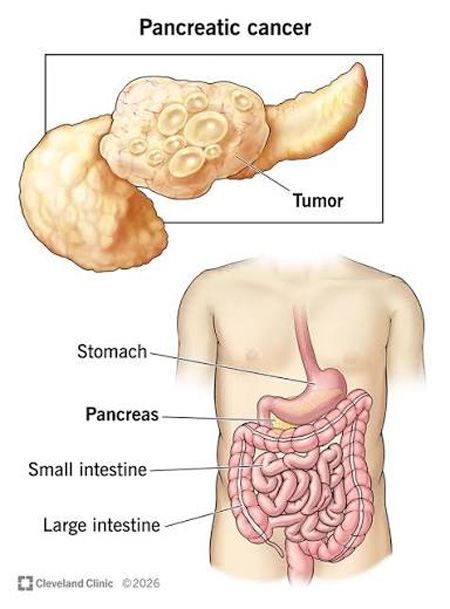
Some of the common symptoms include persistent abdominal or back pain, unexplained weight loss, loss of appetite, nausea, digestive difficulties, fatigue and jaundice. Jaundice, which causes yellowing of the skin and eyes, may occur when a tumour blocks the bile duct. Dark urine, pale stools and itching may also accompany the condition. New-onset diabetes or a sudden worsening of existing diabetes can sometimes be associated with pancreatic cancer.
The exact cause of pancreatic cancer is not always known. However, certain factors can increase the risk of developing the disease. These include smoking, excessive alcohol consumption, obesity, chronic pancreatitis, older age, a family history of pancreatic cancer and certain inherited genetic conditions. Having one or more risk factors does not necessarily mean a person will develop cancer.
Diagnosis usually involves a combination of medical examinations, imaging tests such as CT scans or MRI scans, blood tests and, when required, a biopsy. Doctors may also use endoscopic ultrasound to examine the pancreas more closely and collect tissue samples.
Treatment depends on the stage of cancer, the location and size of the tumour, and the patient's overall health. Surgery may be an option when the cancer is detected early and can be removed safely. Other treatment approaches include chemotherapy, radiation therapy and targeted therapies for certain patients. Treatment may also focus on controlling symptoms, improving digestion, managing pain and maintaining quality of life.
Although there is currently no established routine screening test for pancreatic cancer in the general population, people with a strong family history or certain inherited genetic conditions may benefit from specialised assessment and monitoring.
Avoiding tobacco, maintaining a healthy weight, following a balanced diet and limiting alcohol consumption can help reduce some risk factors. More importantly, persistent or unexplained symptoms should not be ignored. Seeking medical advice early can help identify the underlying cause and allow appropriate treatment to begin.
Greater awareness of pancreatic cancer, its warning signs and associated risk factors can encourage timely medical consultation and improve the chances of receiving appropriate care.