Daijiworld Media Network - New Delhi
New Delhi, Sep 29: Union Home Minister Amit Shah on Tuesday inaugurated the Barapullah Phase-III elevated corridor, a major infrastructure project aimed at providing signal-free connectivity between East Delhi and South Delhi.
The inauguration was held in the presence of Delhi Chief Minister Rekha Gupta, Public Works Department Minister Parvesh Sahib Singh, Minister Kapil Mishra and other Delhi leaders.
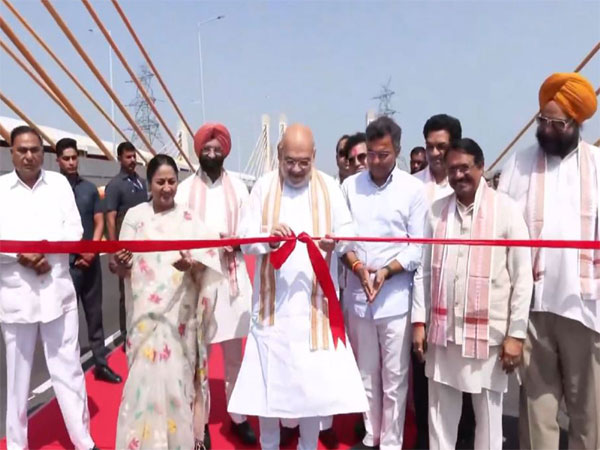
Barapullah Phase-III is the largest of the four projects under the Barapullah corridor network. The elevated corridor connects Mayur Vihar Phase-I in East Delhi with the AIIMS area in South Delhi through a signal-free route.
The newly inaugurated stretch connects with the existing Barapullah elevated road at Sarai Kale Khan, completing an approximately 9-km-long continuous elevated corridor.
The project is expected to ease traffic movement between East Delhi, Noida and major areas of South Delhi, particularly benefiting commuters travelling from Mayur Vihar, Noida and adjoining areas towards Sarai Kale Khan, AIIMS and other parts of South Delhi.
With the opening of the corridor, commuters can avoid several traffic signals and congested stretches along the route. Authorities expect the average travel time between East Delhi and AIIMS to come down from around 35-40 minutes to approximately 15 minutes, depending on traffic conditions.
The Barapullah corridor has been developed in phases to strengthen east-west connectivity across the national capital and provide alternative routes for motorists travelling towards central and southern Delhi.
The Phase-III corridor is expected to improve traffic flow along one of Delhi's busiest routes, particularly for commuters travelling between Delhi and Noida.
The inauguration comes as Delhi continues to expand its network of elevated roads and signal-free corridors to address traffic congestion and reduce travel time.
With the Phase-III stretch now open to the public, commuters from East Delhi and Noida will have a more direct route to South Delhi. Its integration with the existing Barapullah corridor is also expected to improve traffic movement along the entire route.