Media Release
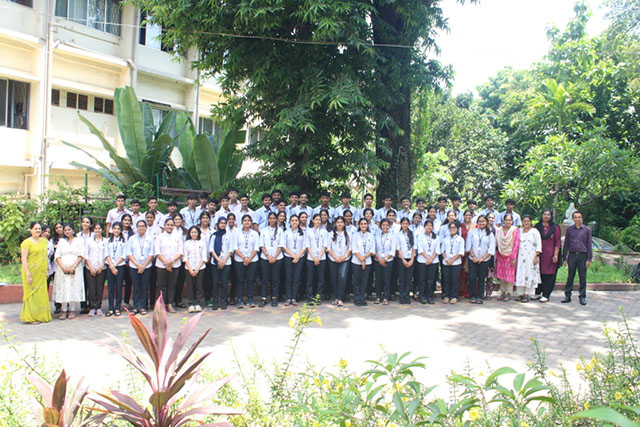
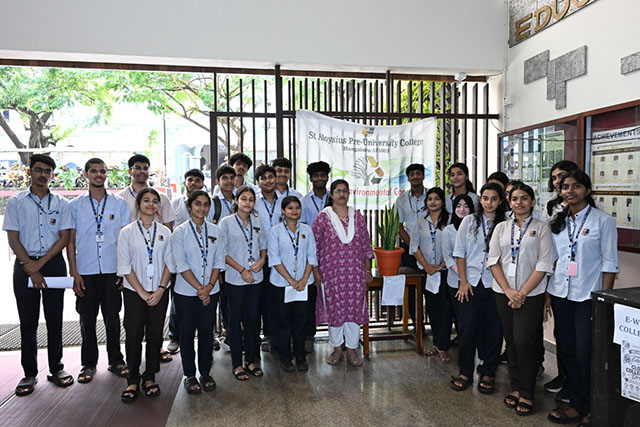
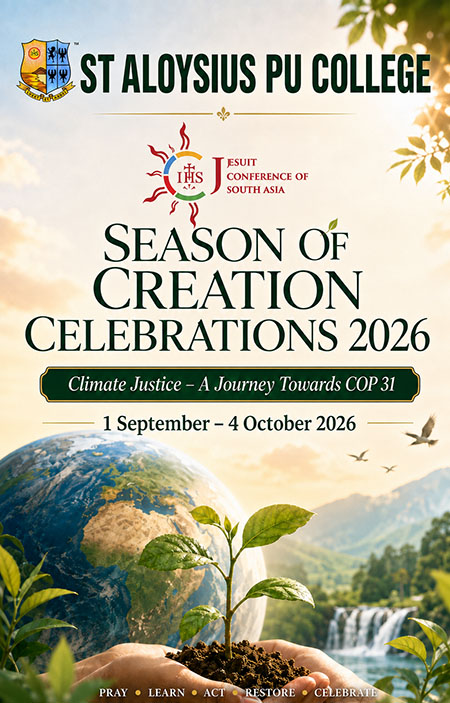
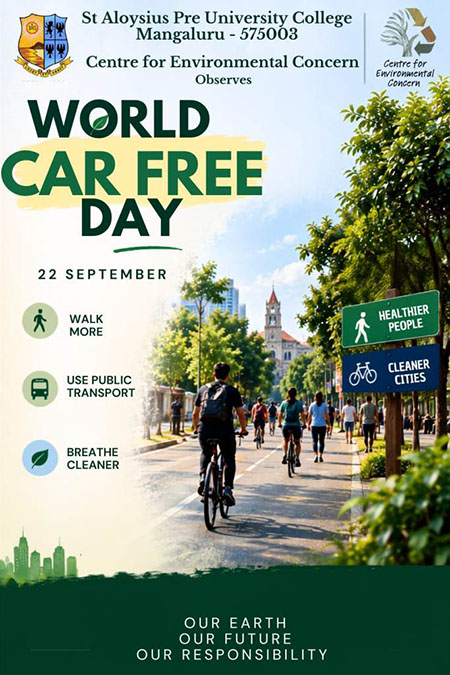
Mangaluru, Oct 6: St Aloysius Pre-University College (SAPUC), Mangaluru, through its Centre for Environmental Concern (CEC), observed the Season of Creation Celebrations 2026 with a month-long programme of prayer, reflection, learning and action. The four-week initiative brought together students, faculty and staff through a wide range of environmental, educational, creative, social and spiritual activities.
Rooted in the Jesuit call for ecological conversion and inspired by Laudato Si’, the celebrations sought to deepen awareness of the relationship between care for the Earth, care for one another and responsibility towards future generations. The programme combined classroom awareness, hands-on activities, expert-led sessions, competitions, conservation initiatives and community outreach.



Prayer, reflection and ecological commitment
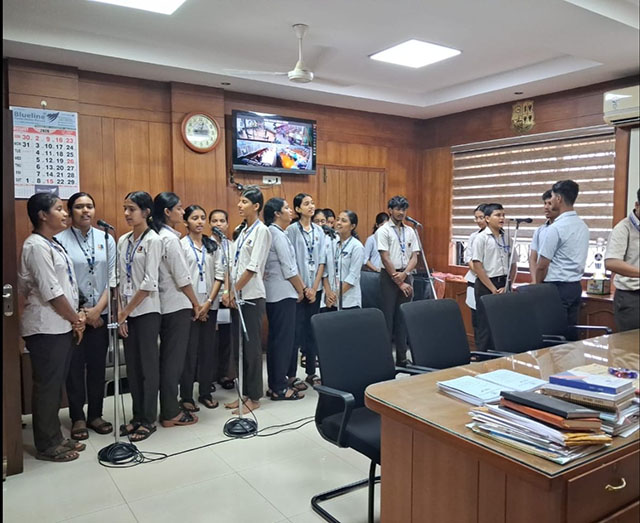
The celebrations began with ecology-centered prayers during class assemblies, focusing on environmental protection and the responsibility to care for our common home. The Laudato Si’ Prayer for Our Earth was also shared through class groups and the college’s social media platforms.
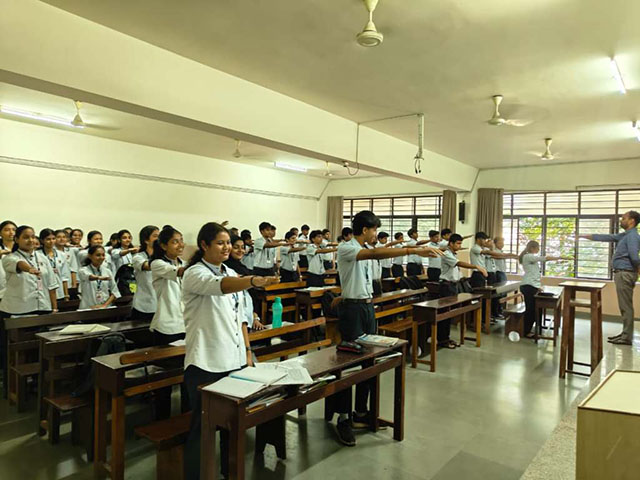
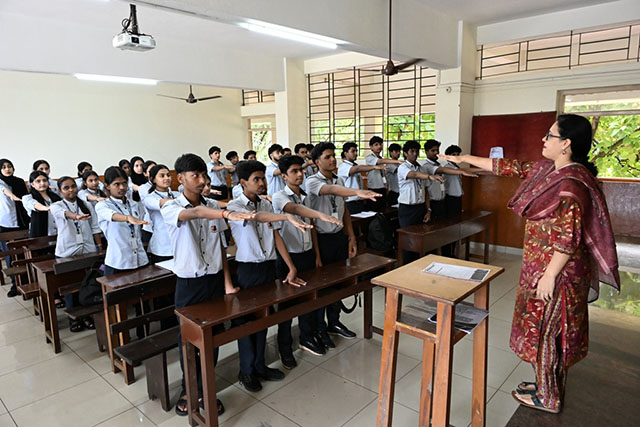
Students took an ecological pledge, committing themselves to responsible consumption, conservation of natural resources, reduction of waste, sustainable lifestyles and protection of biodiversity. The pledge also encouraged students to undertake at least one concrete ecological action each day.
Learning through hands-on activities
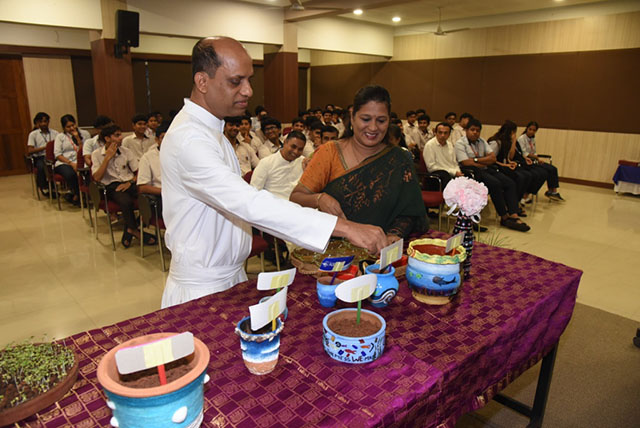
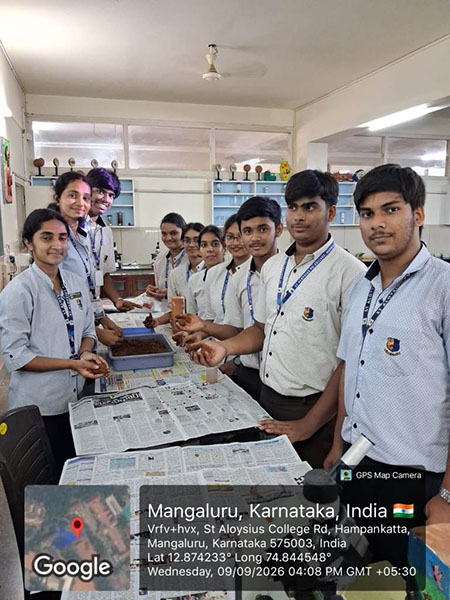
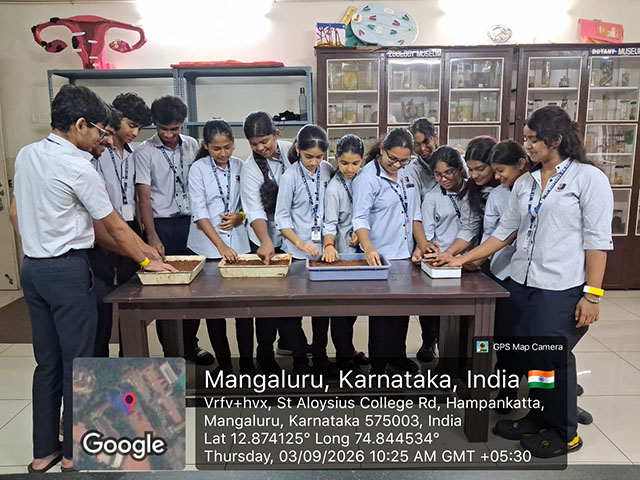
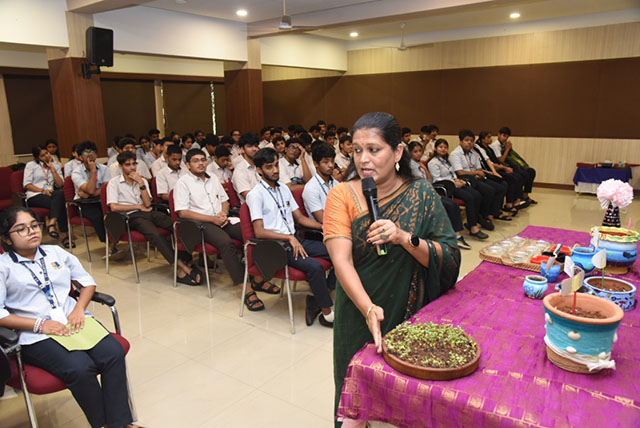
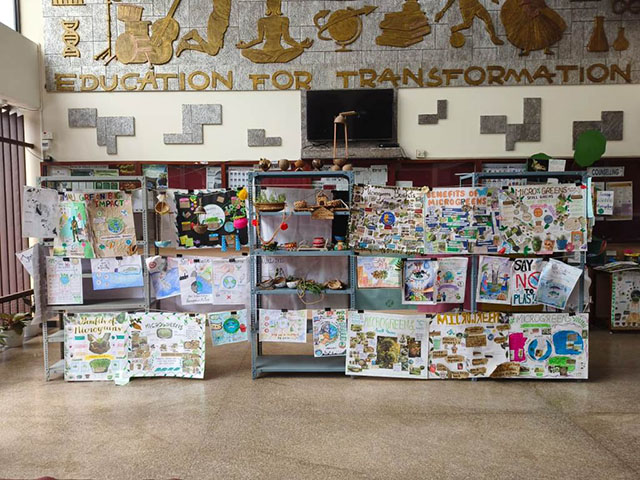
The programme placed considerable emphasis on experiential learning. The growing microgreens initiative introduced students to the nutritional and environmental benefits of microgreens, with class-wise demonstrations and hands-on practice. Around 480 participants took part in the activity.
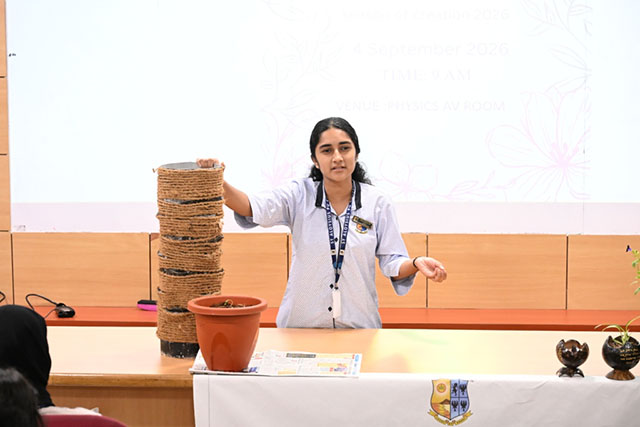
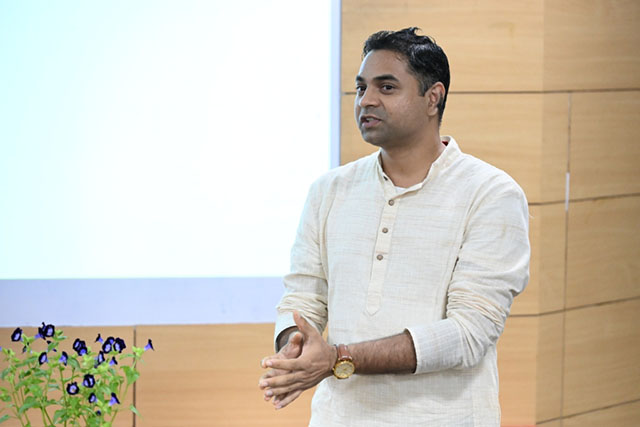
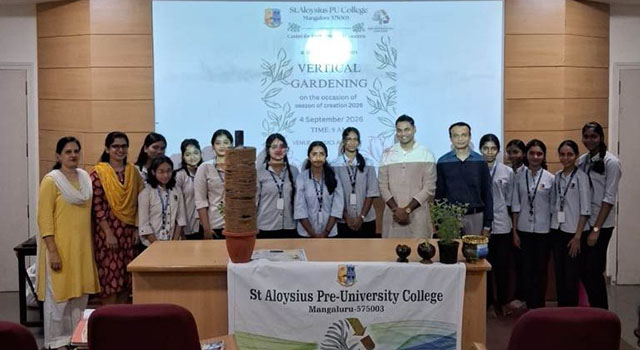
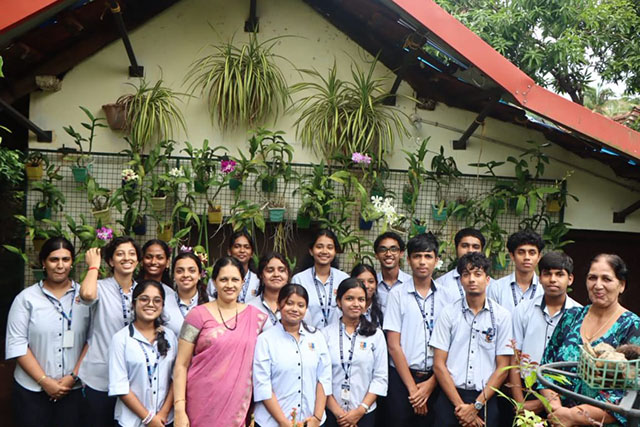
A vertical garden demonstration, led by Gehna Mangala Devi, introduced students to a space-efficient and sustainable method of growing plants, benefiting around 160 participants.
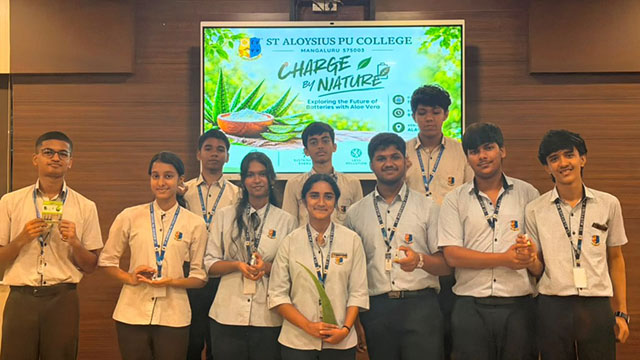
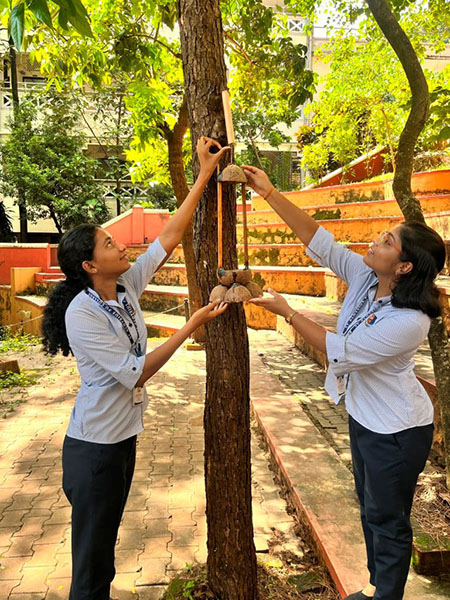
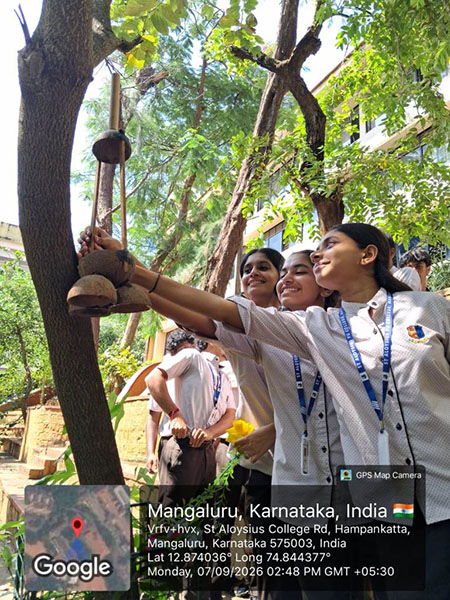
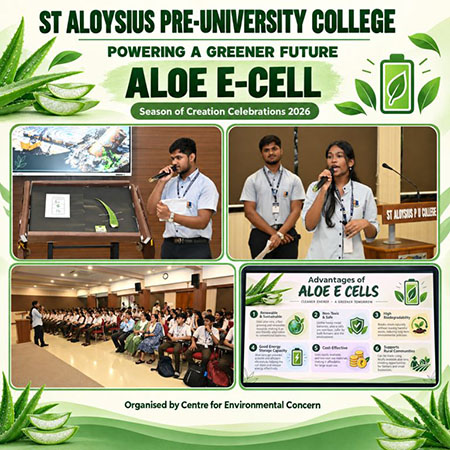
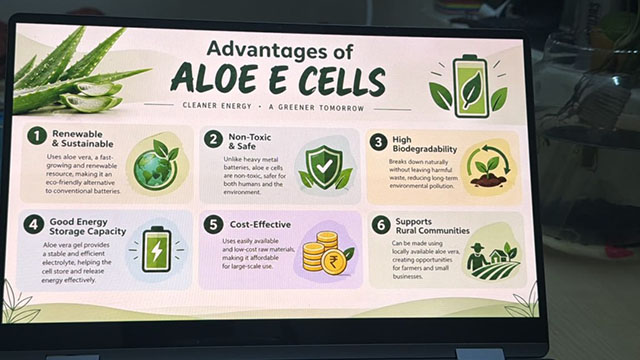
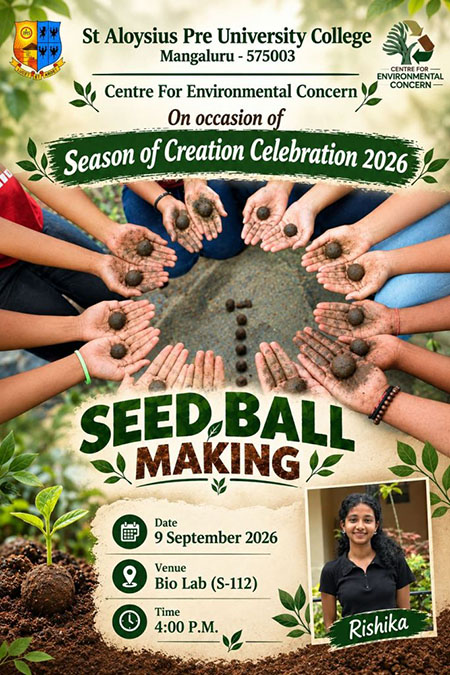
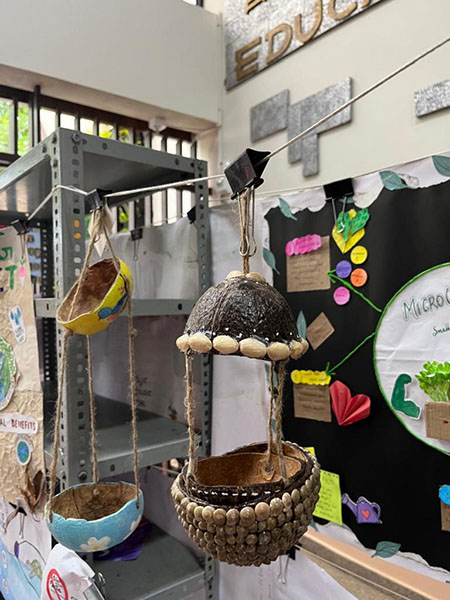
The second week featured a bird feeder installation with 30 participants, a seed ball-making activity involving 85 participants, and a presentation on Aloe E-Cell batteries attended by 145 participants. The activities encouraged students to explore practical ways of supporting biodiversity, reducing waste and adopting sustainable alternatives.
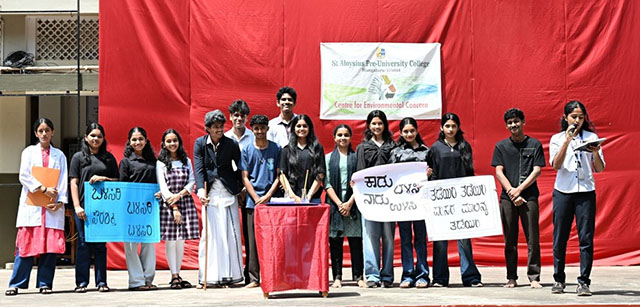
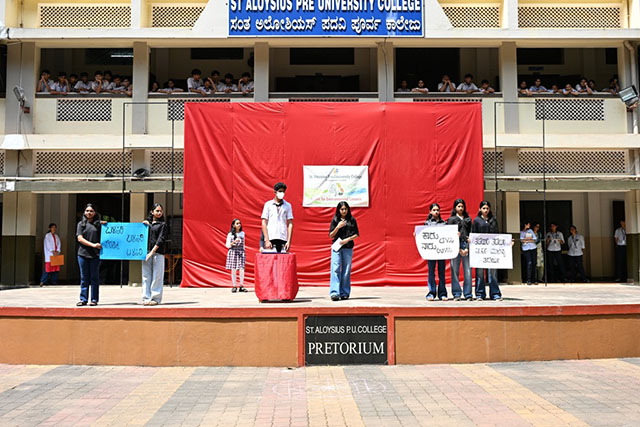
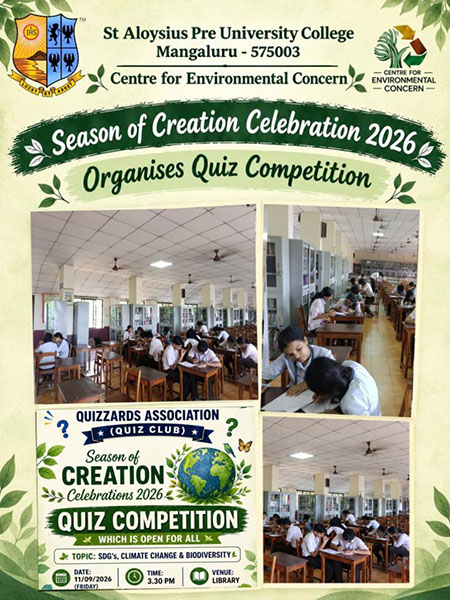
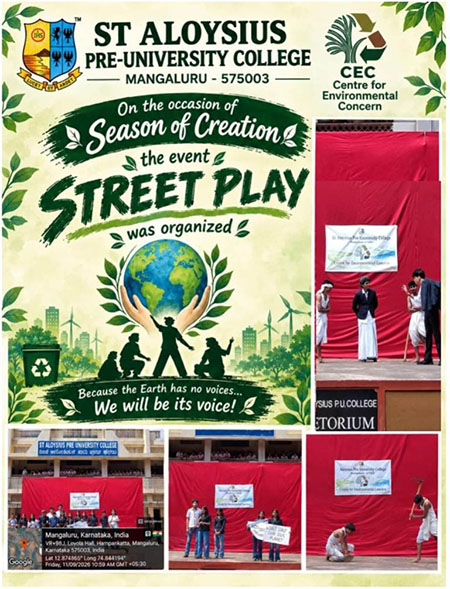
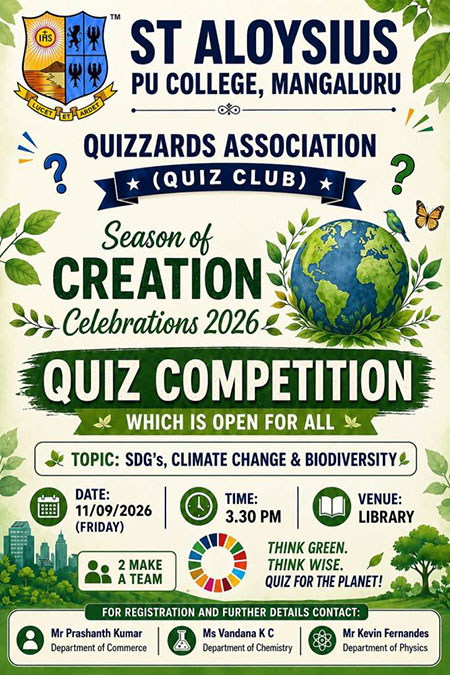
A street play presented an environmental message through a story centered on pollution, environmental degradation and collective responsibility. An eco quiz focused on climate change, the sustainable development goals, biodiversity, Jesuit ecology and Laudato Si’.
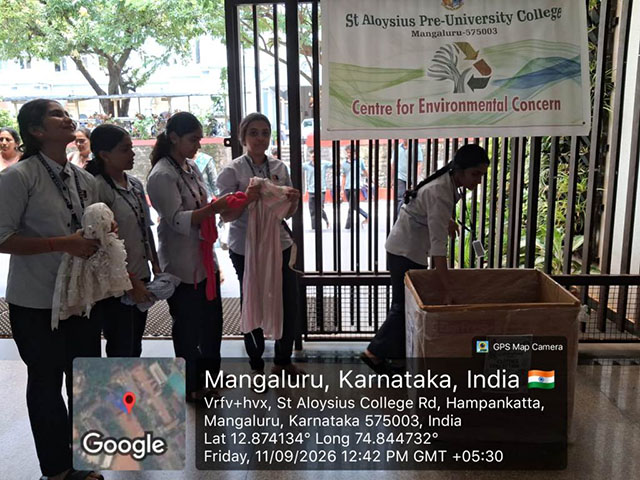
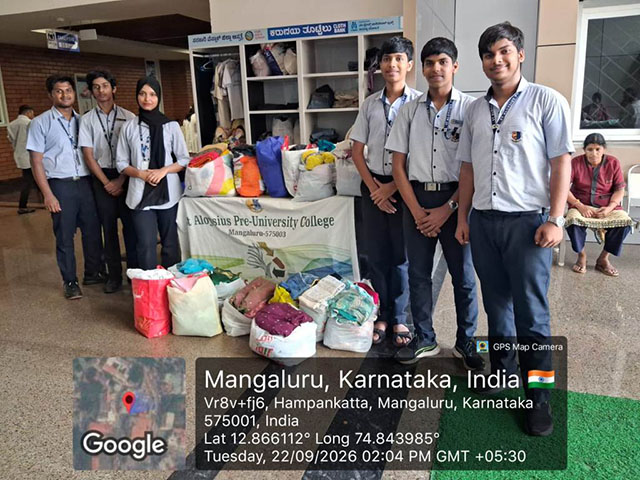
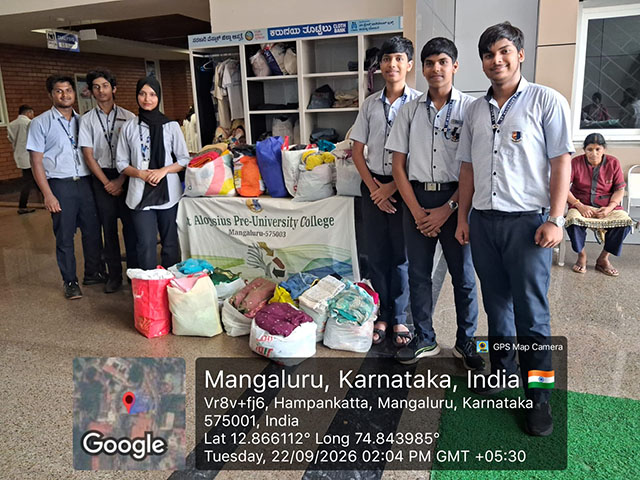
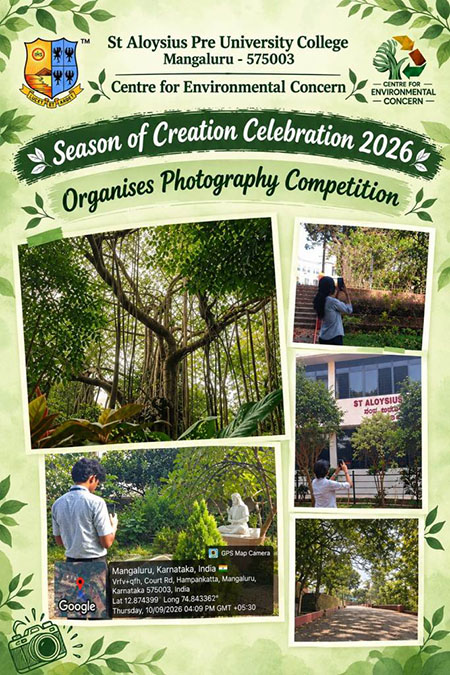
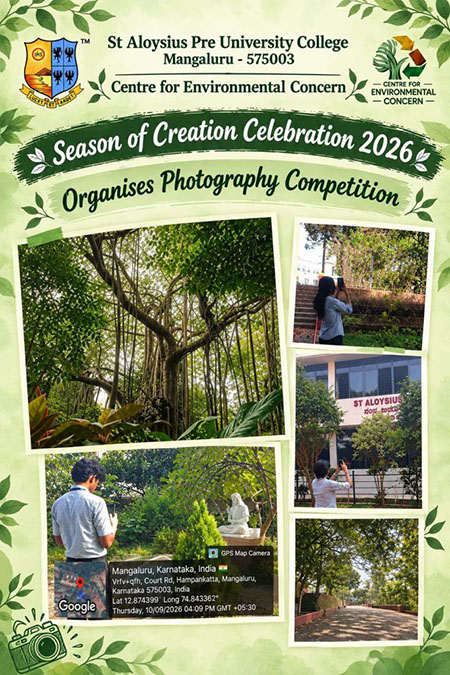
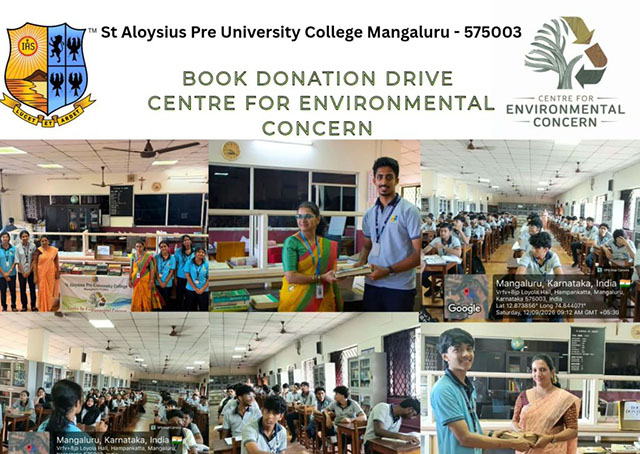
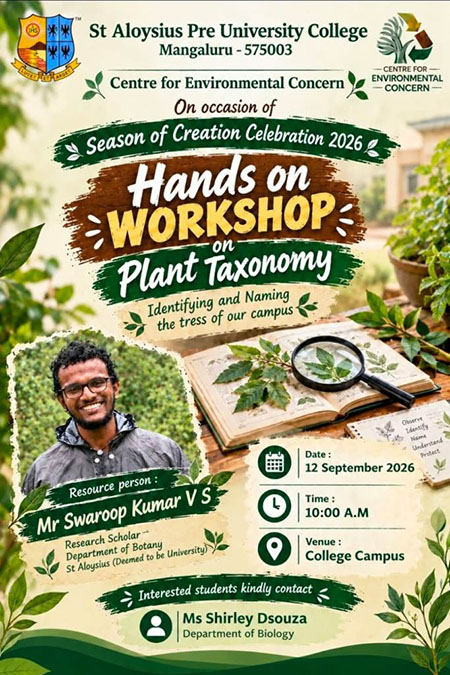
The week also included a nature-themed photography competition with 40 participants, along with cloth and book donation drives that promoted reuse, sharing and social responsibility. A tree taxonomy workshop, conducted by Swaroop Kumar V S, research scholar at St Aloysius (Deemed to be University), involved 48 participants and focused on identifying and scientifically naming tree species on the campus.
Sustainability in practice
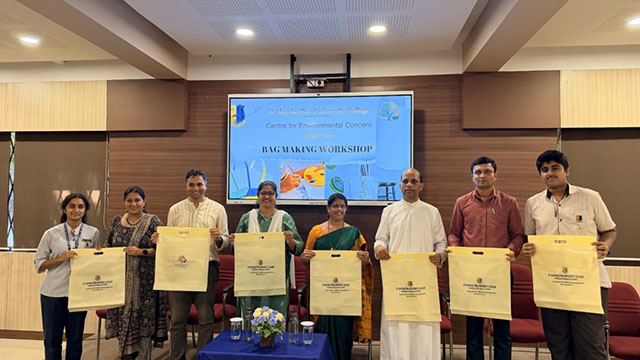
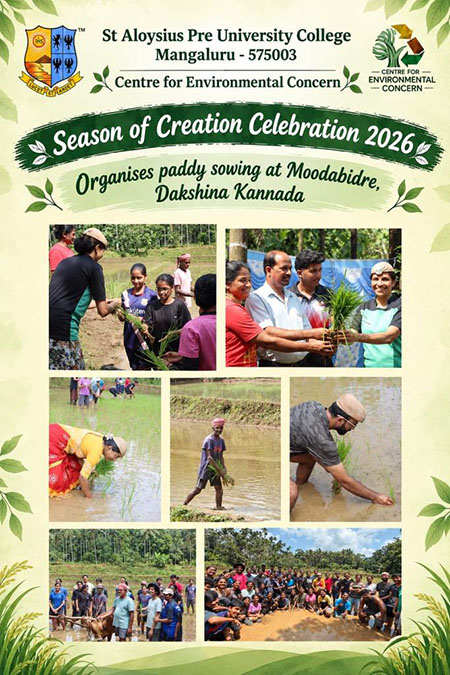
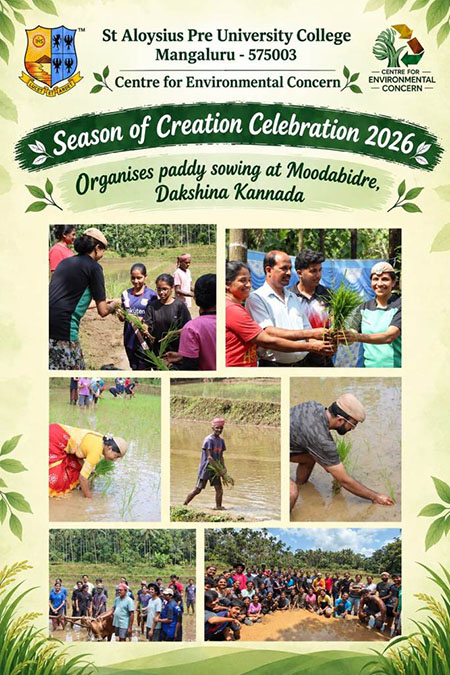
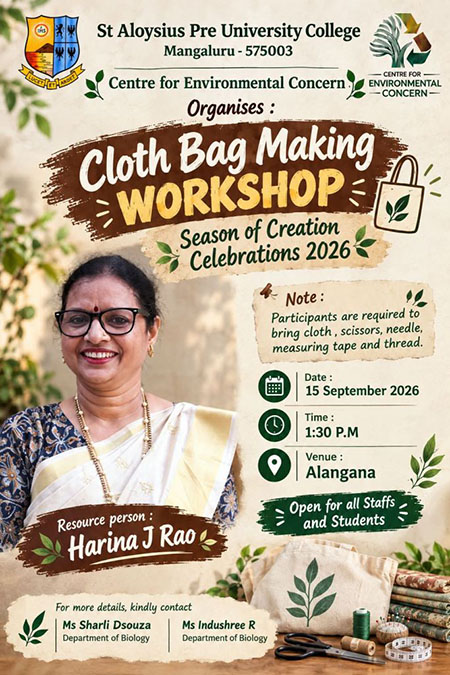
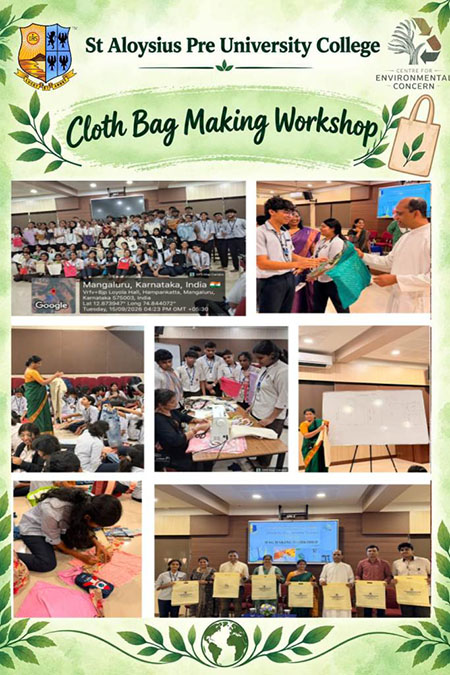
Week three brought environmental awareness into practical action. A paddy sowing activity at Moodbidri involved 70 participants, providing students with first-hand exposure to traditional farming practices. A cloth bag-making workshop, conducted by Harina J Rao, involved 192 participants and promoted reusable alternatives to plastic. A cloth bag featuring the institution’s logo was also unveiled for use during future college programmes.
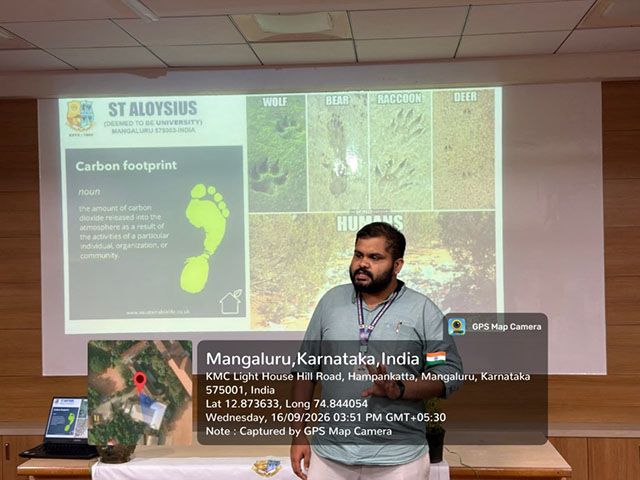
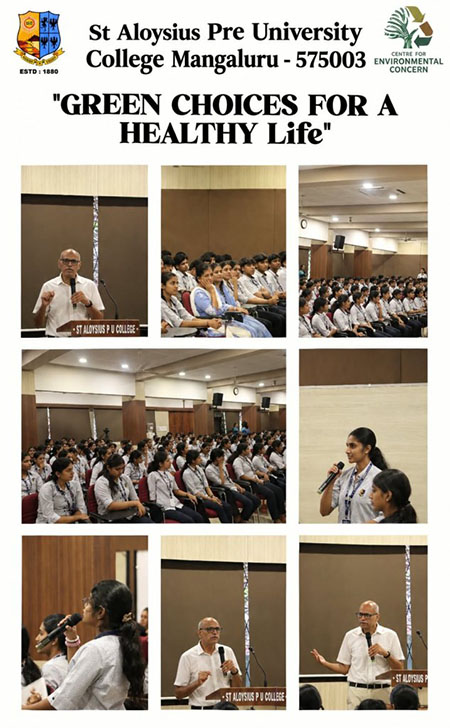
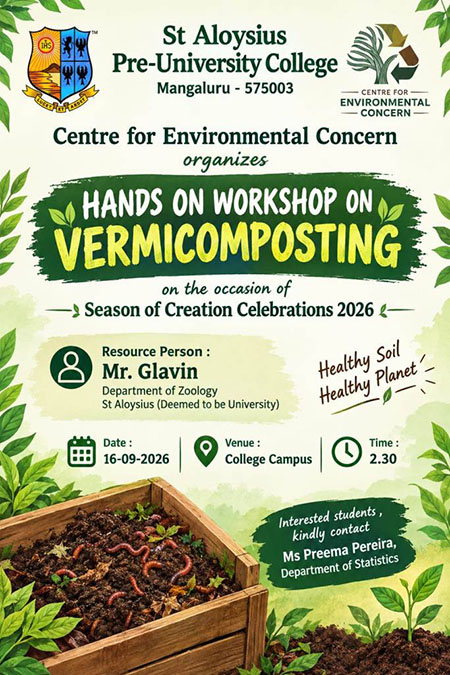
An informative session on “Green Choices for a Healthy Life”, conducted by Dr Manjunath Kamath, was attended by 185 participants. The session highlighted healthy food choices and the nutritional value of green leafy vegetables. A session on vermicomposting, conducted by Glavin Lobo of St Aloysius University, involved 40 participants and demonstrated how organic waste can be converted into nutrient-rich compost.
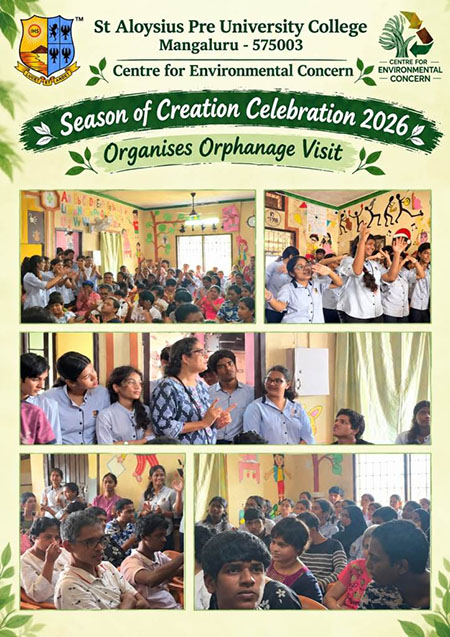
An outreach programme involving 70 participants provided students with an opportunity to spend time with persons with disabilities at the Riya Foundation, Kulshekar, reinforcing values of compassion, gratitude and humanity.
Sessions on menstrual care and hygiene and empowering adolescents for well-being reached 315 and 148 participants, respectively. The sessions addressed personal hygiene, emotional well-being, resilience and healthy choices during adolescence.
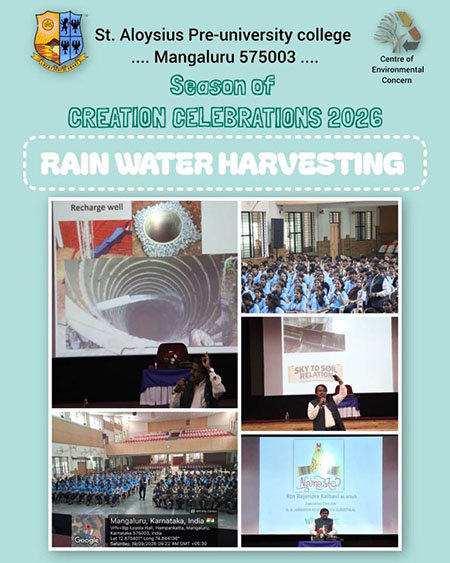
The programme also included a rainwater harvesting session attended by 400 participants, conducted by Rajendra Kalbavi, National president of the Association of Consulting Civil Engineers (India). The session highlighted the importance of rainwater conservation and sustainable water management.
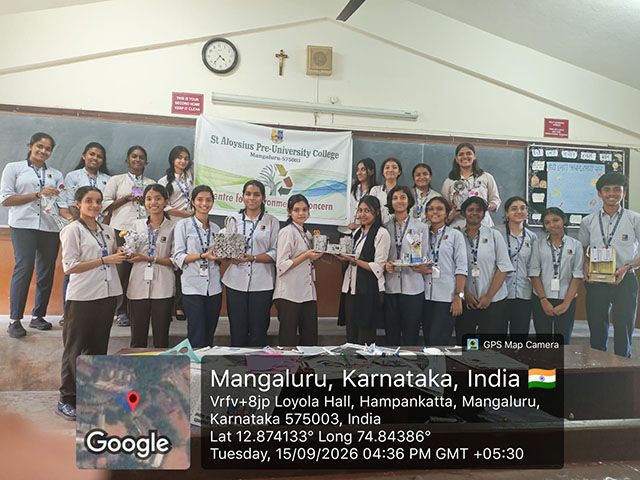
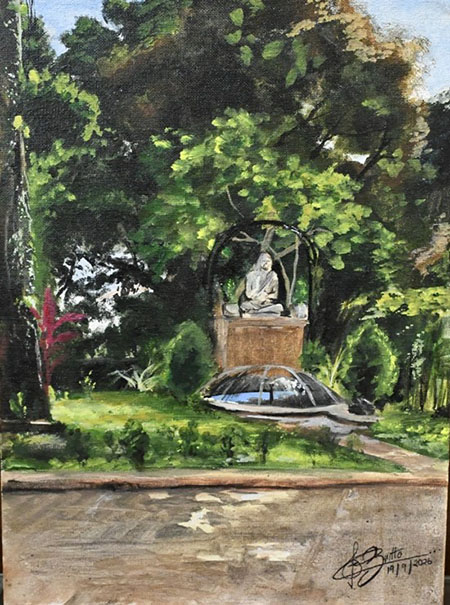
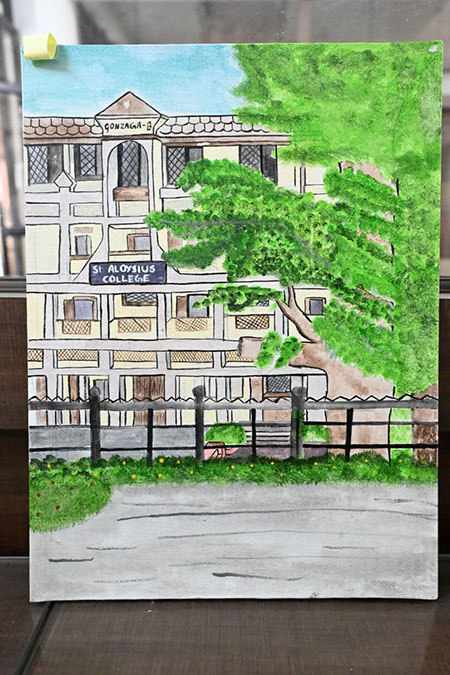
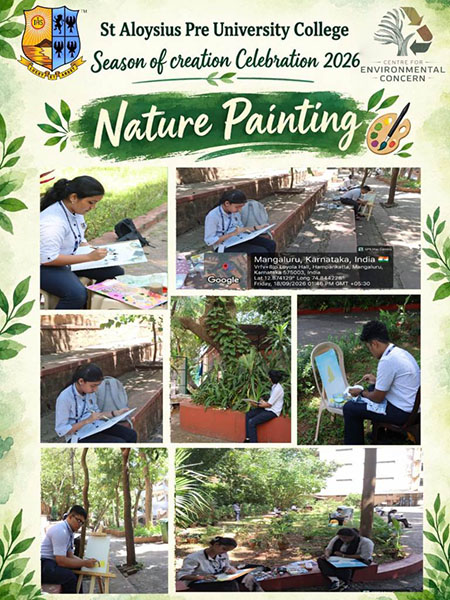
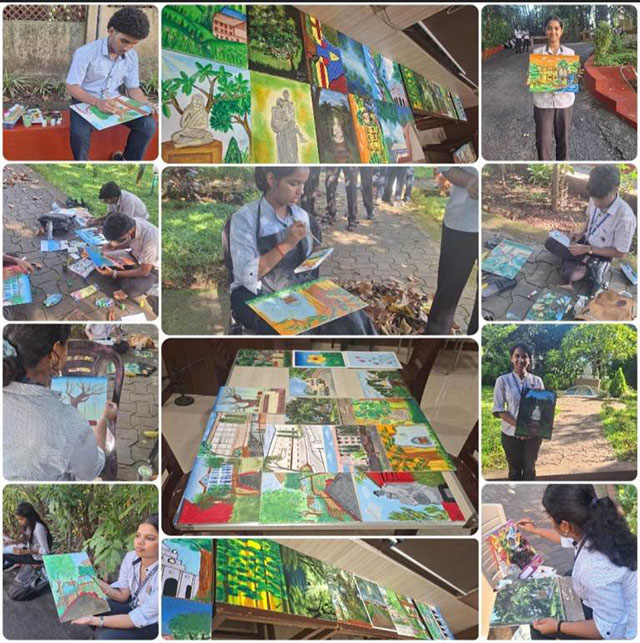
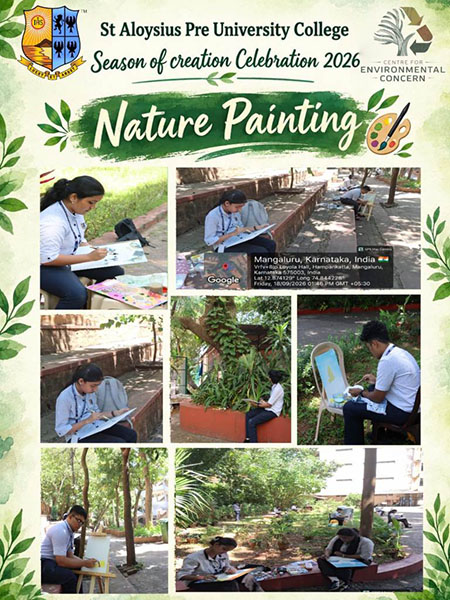
Creative expression formed another important component of the celebrations. The paper to purpose competition involved 25 participants, while the nature painting competition brought together 35 participants, encouraging students to explore environmental themes through creativity.
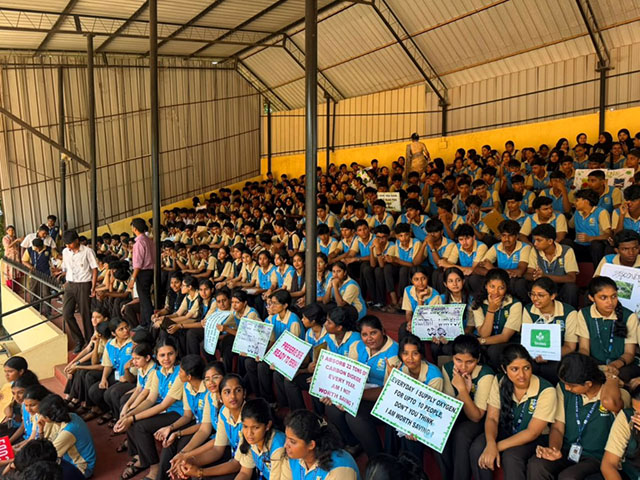
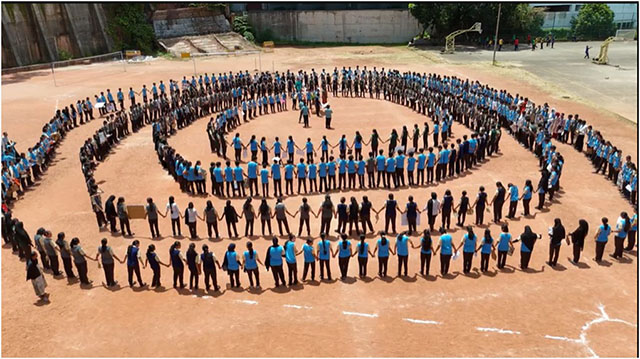
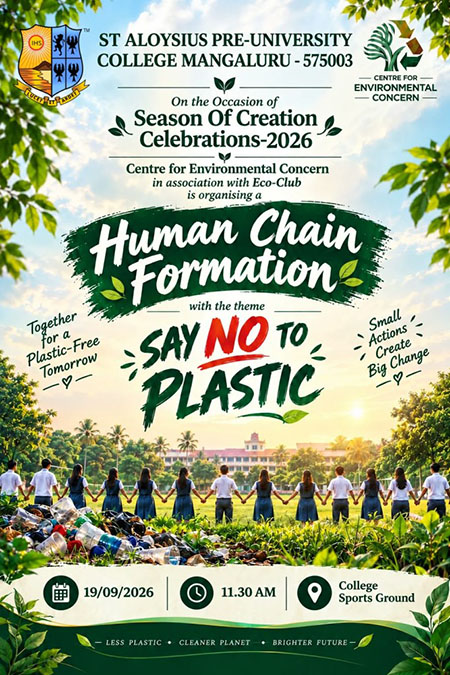
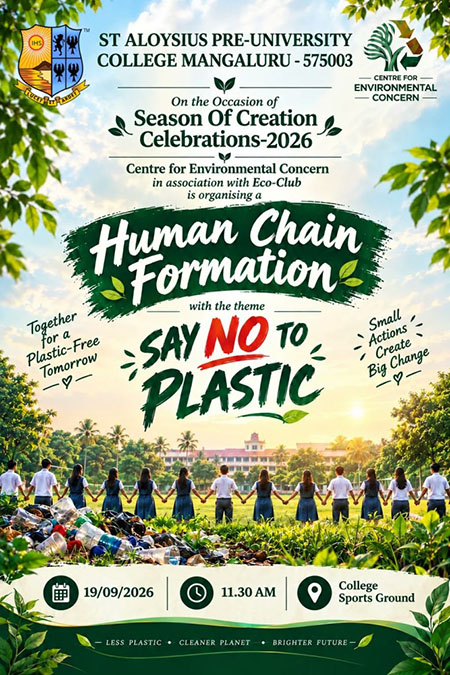
A human chain formation with the message “say no to plastic”, organised by the Centre for Environmental Concern in association with the Eco Club, brought 600 students together to create awareness about the harmful effects of plastic and encourage sustainable alternatives.
Extending ecological awareness beyond the campus
The fourth week expanded the programme to include faculty engagement, spirituality, biodiversity and creative sustainability. An awareness session titled “Guardians of the Earth”, led by environmentalist and animal activist Adv Suma Nayak, encouraged faculty members to lead by example in conserving resources, reducing plastic consumption and practicing the three Rs-Reduce, Reuse and Recycle.
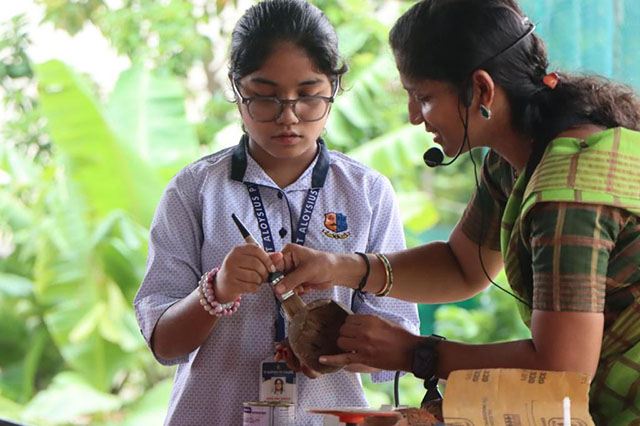
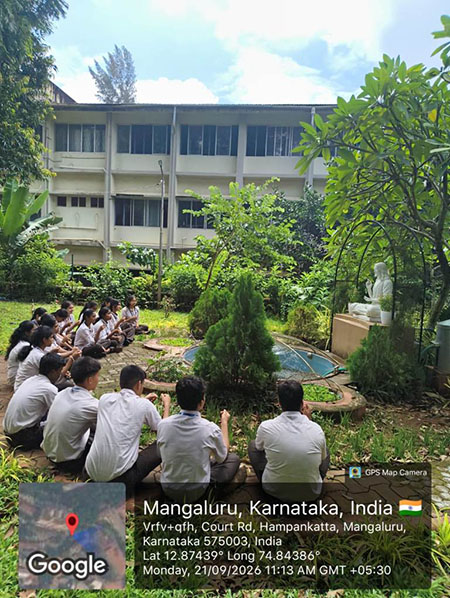
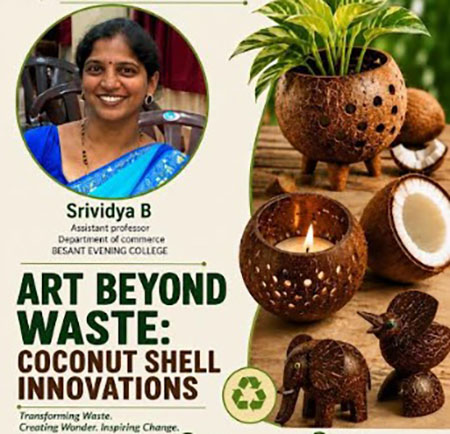
Rosary amidst nature provided an opportunity for AICUF students to combine prayer and reflection with an appreciation of nature. The programme also featured “Art beyond waste: Coconut shell innovations”, in which Srividya B demonstrated how discarded coconut shells could be transformed into useful and decorative products.
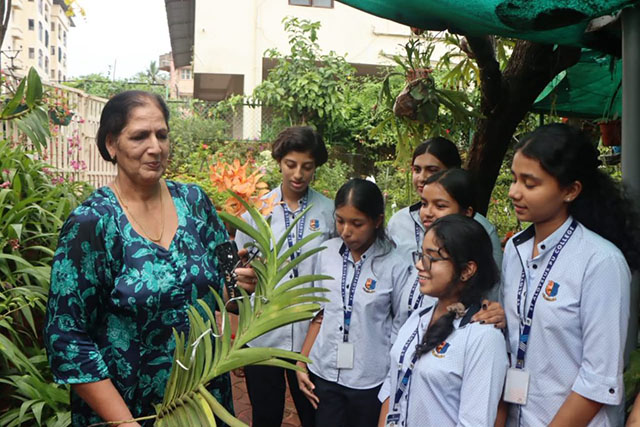
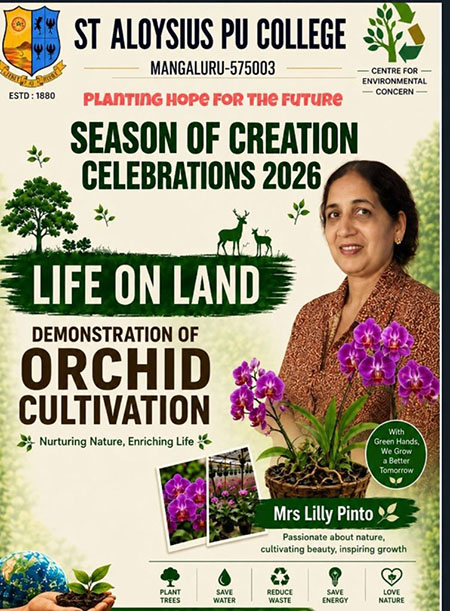
A demonstration on orchid cultivation introduced students to practical methods of growing and caring for orchids, while the eco essay competition enabled students to express their hopes and ideas for a greener and more sustainable planet.
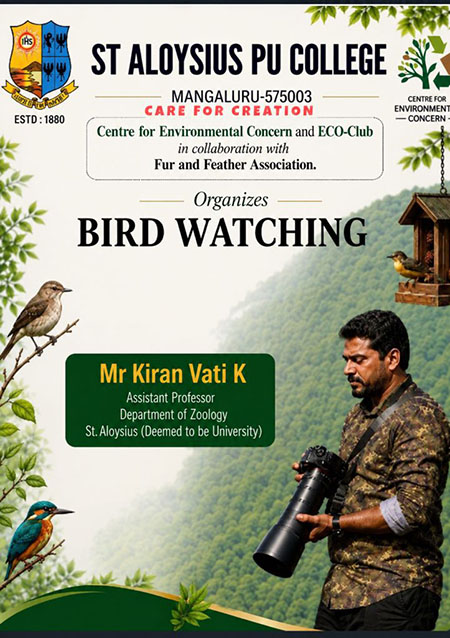
Wildlife conservation was addressed through a session on “Snakes, Humans and Environment” by wildlife rescuer Xavier Kiran Pinto. The session addressed misconceptions about snakes, their ecological significance, snakebite first aid and the importance of coexistence. A bird watching session conducted in collaboration with the Fur & Feathers Association introduced students to local bird species and their ecological importance.
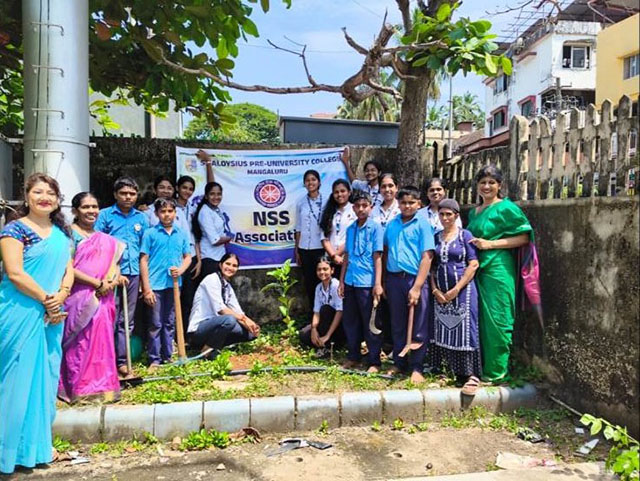
Environmental awareness was also integrated into value education classes, enabling students to reflect regularly on resource conservation, waste reduction and responsible choices. NSS students and teacher coordinators extended the initiative beyond the campus through sapling planting at Dakshina Kannada Zilla Panchayat Higher Primary School, Pandeshwar.
A commitment beyond the celebration
The season of creation celebrations brought together prayer, environmental education, practical action, creativity, health, compassion and community engagement. The activities enabled students to move beyond awareness towards concrete practices such as planting, recycling, conserving water, reducing plastic use, reusing materials and caring for other forms of life.
The college’s sustainability initiatives provide an institutional context for these efforts. The Season of Creation programme thus served not merely as a month-long celebration but as an opportunity to reinforce a continuing commitment to ecological responsibility.
Through the initiative, SAPUC sought to give practical expression to the Jesuit commitment to care for our common home, encouraging students and the wider college community to embrace sustainable practices and become responsible stewards of creation.