Daijiworld Media Network – Mumbai
Mumbai, Oct 11: Peanuts, often enjoyed as an affordable everyday snack, may offer several benefits for heart health when consumed regularly as part of a balanced diet. Research suggests that peanuts and peanut butter could help improve blood fat levels and support healthier cholesterol profiles.
A six-month trial known as the ARISTOTLE study, published in Frontiers in Nutrition, examined 63 adults who added peanuts or peanut-based products to their regular diets. Participants consumed skin-roasted peanuts, peanut butter or a refined peanut oil spread to help researchers understand whether the benefits came from the whole nut or primarily from its fats.
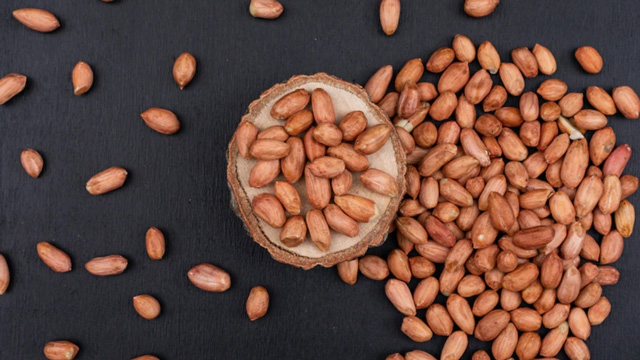
The findings indicated that participants who consumed whole peanuts or peanut butter experienced improvements in blood fat markers, particularly triglyceride levels. High triglyceride levels are associated with an increased risk of cardiovascular disease. Researchers suggested that the fibre and polyphenols found in peanuts, including compounds present in their skins, may contribute to these benefits alongside their healthy fats.
Another study published in Public Health Nutrition examined men with elevated cholesterol who included a palmful of peanuts in their daily diets for four weeks. The results showed improvements in their total-to-HDL cholesterol ratio and an increase in HDL, commonly known as good cholesterol. The study also reported improvements in markers used to assess coronary heart disease risk.
Long-term observational research has also explored the relationship between nut consumption and cardiovascular health. Data from studies such as the Nurses’ Health Study have linked regular consumption of nuts and peanut butter with healthier LDL cholesterol levels and overall blood lipid profiles. However, observational findings show an association and do not establish that peanuts alone caused these outcomes.
Animal studies have also suggested that peanuts may support antioxidant activity and influence cholesterol-related markers. Further research is needed to establish how these findings translate to humans over the long term.
Peanuts provide protein, fibre and unsaturated fats, making them a nutritious and economical addition to a balanced diet. Choosing plain or unsalted peanuts and consuming them in moderate portions can help limit excess sodium and calories. While peanuts may support heart health, they should complement rather than replace other healthy lifestyle measures, including regular physical activity and a balanced diet.