Daijiworld Media Network - New Delhi
New Delhi, Oct 11: India’s total pulse production increased to 274.09 lakh tonnes in 2025-26 from 256.83 lakh tonnes in 2024-25, driven by the Mission for Aatmanirbharta in Pulses, which has also led to a significant decline in imports of the protein-rich staple, according to an official factsheet issued on Sunday.
India’s pulse imports declined by 31.52 per cent, from Rs 46,427.60 crore in 2024-25 to Rs 31,793.59 crore in 2025-26.
In contrast, pulse exports registered a 13.4 per cent increase, rising from USD 855 million in 2024-25 to USD 969.53 million in 2025-26. The total export volume reached 10.01 lakh tonnes during 2025-26. Major export destinations included China, the UAE, Bangladesh, the US and Sri Lanka.
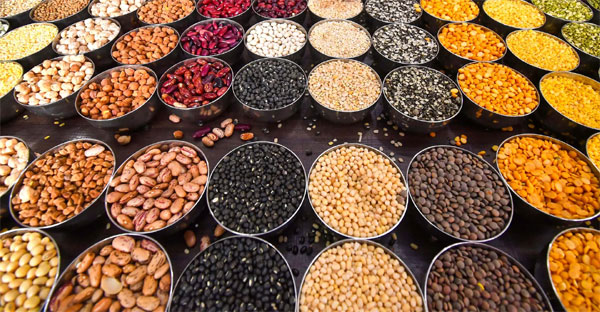
The area under pulse cultivation also expanded from 277.20 lakh hectares in 2024-25 to 286.46 lakh hectares in 2025-26 following the implementation of the scheme, which was announced on October 11 last year.
The initiative, which completed one year since its launch, has also improved national pulse productivity. The overall yield increased from 926 kg per hectare in 2024-25 to 957 kg per hectare in 2025-26.
The Mission for Aatmanirbharta in Pulses was launched with an outlay of Rs 11,440 crore. It aims to increase pulse production to nearly 350 lakh tonnes and raise productivity to 1,130 kg per hectare by 2030-31.
Key measures under the mission include a focus on increasing the production of tur, urad and masoor, promoting climate-resilient seeds and improving seed quality. The scheme envisages the distribution of 87.5 lakh free seed kits and 126 lakh quintals of certified seeds over six years.
The mission is being implemented through a cluster-based approach covering 489 districts to intensify pulse cultivation. It also provides for assured procurement of tur, urad and masoor at the Minimum Support Price (MSP) through the National Cooperative Consumers' Federation of India (NCCF) and the National Agricultural Cooperative Marketing Federation of India (NAFED) from willing and registered farmers.
The major pulse-producing states in the country include Madhya Pradesh, Maharashtra, Rajasthan, Uttar Pradesh, Gujarat, Andhra Pradesh, Karnataka, Jharkhand, Odisha and West Bengal.
India is the world’s largest producer of pulses. Pulses contain 20-25 per cent protein, more than twice the amount found in wheat and nearly three times that in rice. They contribute significantly to India’s agricultural exports and remain an essential part of the country’s diet, playing a vital role in ensuring nutritional security.