Daijiworld Media Network - Mumbai
Mumbai, Oct 27: Calling vaping a “stupid habit”, a pulmonologist has warned about the potential health risks of e-cigarettes, including nicotine addiction, throat irritation and breathing difficulties.
Although vaping is often considered a healthier alternative to conventional smoking, medical experts caution that e-cigarettes are not risk-free. According to Dr Shivaraj A L, Lead Consultant and Head of Pulmonology at Aster Whitefield Hospital, the aerosol produced by vaping devices may contain nicotine, fine particles, flavouring agents, volatile organic compounds and other potentially harmful substances.
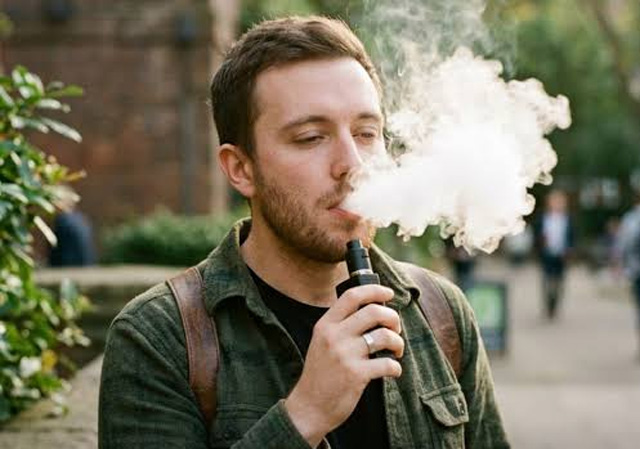
These substances can irritate the airways and affect respiratory health. The absence of conventional cigarette smoke and its characteristic smell does not mean vaping is harmless.
Dr Shivaraj explained that vaping can cause dryness and irritation in the airways. When inflammation affects the larynx and vocal folds, it may lead to hoarseness and vocal fatigue. Such symptoms can be particularly troublesome for singers, teachers and others who rely heavily on their voices.
However, he cautioned that voice changes cannot automatically be attributed to vaping without a clinical examination. Research into the long-term effects of e-cigarettes on the voice is still developing, and other possible causes must also be considered.
Nicotine addiction is another major concern associated with vaping. Nicotine affects the brain's reward system, creating an urge to repeat the behaviour and making it difficult to quit, particularly when devices contain high concentrations of nicotine.
People attempting to stop vaping may experience withdrawal symptoms, including irritability, cravings, anxiety, restlessness and difficulty concentrating. Young people may be particularly vulnerable because their brains are still developing.
Vaping may also trigger wheezing and worsen symptoms of asthma and other respiratory conditions. The long-term effects of e-cigarettes on lung and cardiovascular health are still being studied, but the lack of complete long-term evidence does not establish that they are safe.
The risks can vary depending on the device and its contents, but exposure to substances that irritate the airways remains a concern.
Dr Shivaraj advised people experiencing persistent hoarseness or respiratory symptoms to seek medical attention. Those whose voice changes continue for more than two or three weeks should consult an ear, nose and throat specialist, particularly if they vape.
Quitting can be challenging because of nicotine dependence, but professional support, psychological counselling and appropriate medication may improve the chances of success.
The key message from medical experts is that vaping should not be considered harmless simply because it does not produce conventional cigarette smoke. Its potential to cause nicotine addiction, airway irritation and breathing problems makes awareness and timely medical advice important.