Daijiworld Media Network - Muscat
Muscat, Nov 6: Oman and Iran on Thursday emphasised the need to consolidate sustainable understandings to ensure maritime security, end the state of war and prevent renewed confrontations in the region.
During a telephone conversation, Omani Foreign Minister Sayyid Badr bin Hamad Al Busaidi and his Iranian counterpart, Seyed Abbas Araghchi, reviewed the latest diplomatic contacts and discussions aimed at reaching an agreement to resume unhindered navigation through the Strait of Hormuz, according to a report by the Oman News Agency.
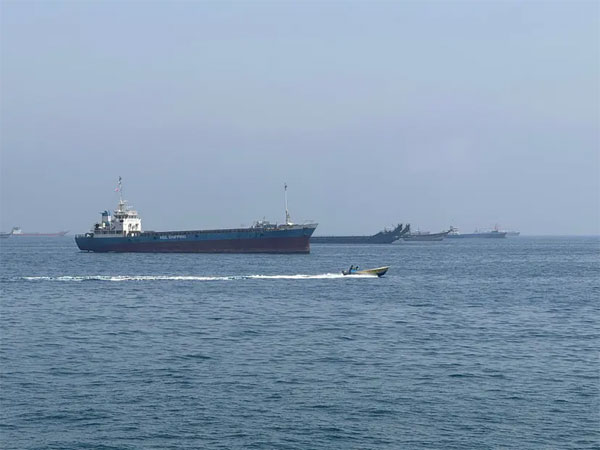
The two ministers stressed that any such understanding should be based on practical arrangements to ensure the safety of maritime corridors and joint technical mechanisms to guarantee the uninterrupted flow of international trade and energy.
They said these measures should help bring an end to the state of war and prevent further confrontations in the region.
The ministers also emphasised that any agreement must respect national sovereignty and the legitimate interests of all parties while creating favourable conditions for renewed dialogue and negotiations to address the outstanding issues underlying the escalation, Xinhua News Agency reported.
Meanwhile, Iran's Islamic Revolutionary Guard Corps (IRGC) said on Thursday that three vessels, including two supertankers, caught fire in two separate incidents on the previous night while navigating the Strait of Hormuz through what it described as an "illegal and unauthorised" route south of the waterway.
In a statement published by its official media outlet, Sepah News, the IRGC said an oil tanker caught fire in one incident after striking naval mines while travelling through the alleged unauthorised route.
In the second incident, another oil tanker attempting to leave the strait through the same route was stopped after catching fire east of the waterway. A tugboat that approached the vessel to assist in containing the blaze also caught fire, the statement said.
In a separate operation, personnel from the IRGC's naval electronic warfare unit took control of two "invading" low-cost uncrewed combat attack system drones and landed them safely without causing damage, it claimed.
The IRGC accused the US government of imposing "very heavy" insurance costs on American taxpayers and its allies in West Asia by encouraging vessels to violate restrictions and navigate through the mined route in the Strait of Hormuz.