Daijiworld Media Network - Tehran
Tehran, Nov 7: Iran is reviewing proposals presented by Qatar, the chief mediator in efforts to ease tensions between Tehran and Washington, to address differences over Iran's nuclear programme, officials from both countries said on Friday.
The diplomatic development has raised hopes that Iran and the United States could move towards indirect negotiations on the nuclear issue, which US President Donald Trump has described as a key condition for any agreement to end the more than eight-month-old war.
However, an official familiar with the discussions said Iran was not yet willing to negotiate with the Trump administration over its nuclear activities unless Washington first agreed to several key conditions that Tehran wants included in a ceasefire agreement. The officials spoke on condition of anonymity, citing the sensitivity of the negotiations.
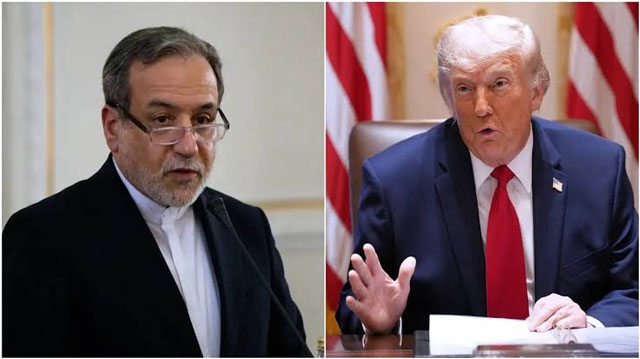
The renewed engagement between Iran and Qatar comes days after Trump's Republican Party suffered a major setback in the US midterm elections. Dissatisfaction among voters over the administration's handling of the conflict and rising fuel prices, which have affected several sectors of the global economy, contributed to the electoral setback.
The White House declined to comment on the proposals presented by Qatar. However, Trump told reporters on Friday that discussions with Iran were continuing. "We are talking to Iran. We have been," he said, while maintaining that the US military remained in control of the conflict.
Iran has insisted on several concessions before entering nuclear negotiations. Its demands include an end to the US blockade of Iranian ports, the lifting of sanctions, the release of frozen Iranian assets, compensation for war-related damage and a halt to hostilities across the region, including Israeli military operations in Lebanon.
According to regional officials, Qatar has presented a possible interim agreement aimed at building confidence and paving the way for wider nuclear negotiations. The proposal reportedly envisages the implementation of trust-building measures over two days.
Under the proposed arrangement, the United States would lift its blockade and release some of the billions of dollars in Iranian funds frozen under sanctions. In return, Iran would allow International Atomic Energy Agency inspectors access to nuclear facilities that were bombed by the United States and Israel.
On the second day, Iran would reopen the Strait of Hormuz under a modified arrangement reportedly agreed upon by Iran and Oman but not yet approved by Washington. The mechanism would remain temporary until a permanent agreement on the strategic waterway could be reached in cooperation with other Gulf countries.
Following the implementation of these measures, Washington and Tehran would begin broader negotiations covering Iran's stockpile of highly enriched uranium and other aspects of its nuclear programme.
Iran has consistently maintained that its nuclear programme is intended for peaceful purposes. However, the International Atomic Energy Agency has reported that Tehran possesses 440.9 kg of uranium enriched to 60 per cent purity, a level that is technically close to the 90 per cent generally associated with weapons-grade uranium.
Diplomatic efforts to ease regional tensions have intensified in recent days, amid concerns that Trump could order fresh military strikes against Iran.
US Defence Secretary Pete Hegseth spoke with Qatar's Defence Minister Sheikh Saoud bin Abdulrahman Al Thani on Friday about developments in the region. Qatar also confirmed a separate telephone conversation between Trump and the emir of Qatar, during which they discussed efforts to de-escalate tensions.
Iranian Foreign Minister Abbas Araghchi held telephone discussions with his counterparts in Iraq and Tunisia. During his conversation with Iraqi Foreign Minister Fuad Hussein, Araghchi outlined Tehran's position on the possibility of resuming negotiations with Washington, according to Iraq's News Agency.
Egyptian Foreign Minister Badr Abdelatty, who has spoken twice with Araghchi this week, called on both sides to demonstrate flexibility and pursue compromise solutions to prevent another escalation in the region.
Abdelatty also spoke with UAE Foreign Minister Abdullah bin Zayed Al Nahyan, stressing the importance of political negotiations to avert another military confrontation that could lead to further violence and destruction.