Daijiworld Media Network – Washington
Washington, Dec 25: In a significant scientific breakthrough, researchers in the United States have found in animal studies that Alzheimer’s disease may be reversible, challenging the long-held belief that the neurodegenerative condition is irreversible.
The study, published in the journal Cell Reports Medicine, is based on extensive preclinical research using different mouse models of Alzheimer’s disease, along with analysis of human Alzheimer’s brains. The findings show that maintaining a proper balance of NAD+, a key cellular energy molecule, can not only prevent but also reverse Alzheimer’s-related damage. NAD+ plays a crucial role in brain energy metabolism and has now been identified as a major driver of the disease.
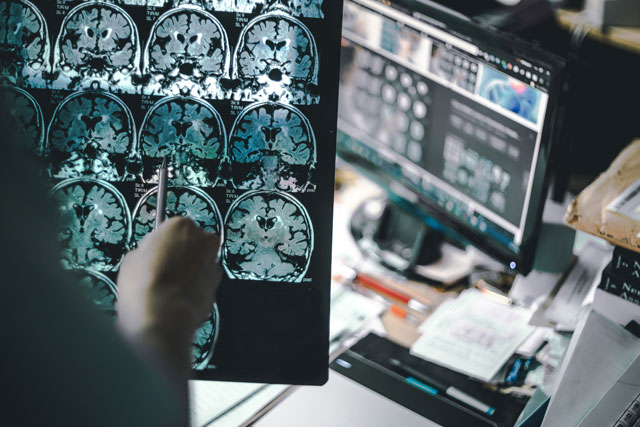
The researchers found that NAD+ levels decline sharply in the brains of people with Alzheimer’s, a trend that was also observed in mouse models of the disease. Restoring this balance led to remarkable recovery in laboratory experiments.
“We were very excited and encouraged by our results,” said Andrew A. Pieper, senior author of the study and Director of the Brain Health Medicines Center at the Harrington Discovery Institute, University Hospitals. “Restoring the brain’s energy balance achieved pathological and functional recovery in both lines of mice with advanced Alzheimer’s.”
The team studied two types of genetically engineered mice: one carrying multiple human mutations related to amyloid processing, and another with a human mutation in the tau protein. These two mechanisms are considered key drivers of Alzheimer’s in humans.
After confirming the sharp decline of NAD+ in both human and mouse Alzheimer’s brains, researchers tested whether preventing this decline before disease onset could stop Alzheimer’s, and whether restoring NAD+ levels after the disease had progressed could reverse it. To do this, they administered a well-studied pharmacological compound known as P7C3-A20.
The results were striking. Preserving NAD+ balance protected mice from developing Alzheimer’s, while delayed treatment in mice with advanced disease reversed major pathological changes in the brain. Notably, both groups of mice fully regained cognitive function.
Researchers say the success of the treatment across two genetically distinct models strengthens the possibility that restoring NAD+ balance could one day help human patients recover from Alzheimer’s. While further studies and clinical trials are needed, the findings open new hope in the fight against the disease.