Daijiworld Media Network - New Delhi
New Delhi, Dec 31: Quick commerce and food delivery services across Delhi and neighbouring regions are likely to face disruptions on New Year’s Eve, as delivery workers’ unions have called for a strike over issues such as lack of pay transparency, blocking of worker IDs and concerns over the 10-minute delivery model.
The strike has been called by the Telangana-based Telangana Gig and Platform Workers Union and the Karnataka-based Indian Federation of App-based Transport Workers Union, with support from the Delhi-based Gig Workers Association. It follows a similar protest on December 25, which, despite limited participation, affected Swiggy and Zomato deliveries in parts of Gurgaon, Noida and Ghaziabad during peak hours.
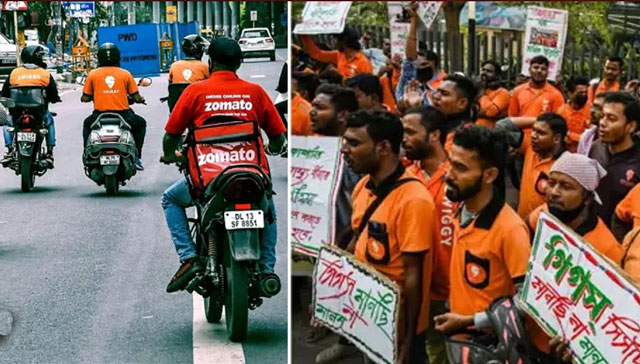
TGPWU president Shaik Salauddin said around 50,000 workers participated in the Christmas Day strike and claimed that nearly 1.5 lakh delivery partners are expected to join the protest on Wednesday. According to government estimates, India’s gig workforce crossed one crore in 2024-25.
Delivery workers have raised concerns about the risks associated with ultra-fast deliveries and an opaque wage structure. Several workers said incentives are withdrawn even for minor delays, forcing them to take risks on the road. Others complained of longer delivery distances, increased minimum working hours and reduced earnings.
“Workers are paid based on tasks, not hours, and this does not account for waiting time, traffic, bad weather or low demand. Platforms change pay structures without notice, so workers are unsure of their daily earnings,” said Nitesh Kumar Das of the Gig Workers Association.
Restaurant owners across NCR expressed concern over food wastage and business losses. Pranav Rungta, Vice-President of the National Restaurants Association of India, said restaurants were in touch with delivery platforms and were awaiting clarity. He noted that the December 25 strike had significantly impacted businesses, especially in Gurgaon.
At the same time, several delivery partners said they could not afford to join the strike due to fear of income loss or termination of their IDs. Many said that after expenses such as fuel, food and rent, daily earnings leave them with very little to support their families.
An internal communication to Zomato riders reportedly stated that no partner would be stopped from making deliveries and that alternative arrangements had been made. Even so, some customers and restaurants pre-emptively placed bulk orders or arranged self-delivery, anticipating disruptions.
With New Year’s Eve being one of the busiest days for food delivery, industry stakeholders said any prolonged disruption could lead to significant losses, even as workers insisted the strike was necessary to highlight safety and livelihood concerns.