Daijiworld Media Network - New Delhi
New Delhi, Jan 27: If current practices continue, emissions from the global plastics system—including greenhouse gases, toxic chemicals, and air pollutants generated during production and disposal—could double health risks worldwide by 2040, a new study warns.
Published in The Lancet Planetary Health, the research examined the full lifecycle of plastics, from fossil fuel extraction and production to eventual disposal or environmental release. Using modeling techniques, the study assessed the potential human health impacts under different future scenarios of plastics use and waste management between 2016 and 2040.
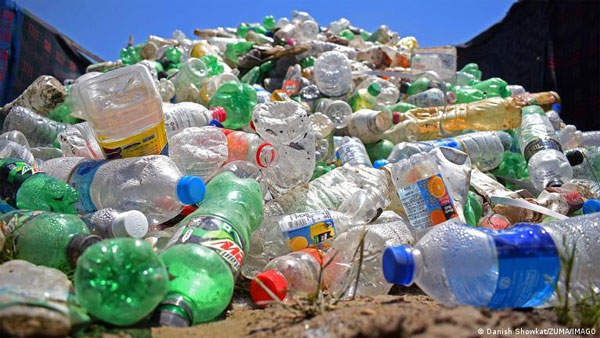
Under a “business as usual” approach, the study predicts that negative health outcomes could double by 2040. Of these impacts, 40% would stem from greenhouse gas emissions and climate-related effects, 32% from air pollution primarily caused by plastics production, and 27% from toxic chemicals released into the environment. The remaining effects—less than 1%—are linked to reduced water availability, ozone depletion, and increased ionizing radiation.
Megan Deeney of the London School, one of the researchers, noted, “Emissions throughout the plastics lifecycle contribute to global warming, air pollution, toxicity-related cancers, and non-communicable diseases, with the greatest harms arising from primary production and open burning of plastics.”
The study estimates that, if no interventions are made, annual health impacts could rise from 2.1 million healthy years of life lost in 2016 to 4.5 million by 2040, with the cumulative toll of the global plastics system potentially erasing 83 million healthy years of life over the period.
Importantly, the researchers found that improving waste collection and recycling alone would have minimal effect. However, when combined with material substitution, reuse strategies, and curbing production of non-essential plastics, health risks could be significantly reduced.
The team emphasized, “To meaningfully cut plastic emissions and their health consequences, policymakers must regulate and drastically reduce the production of new plastics, especially for non-essential uses.”
This study highlights the urgent need for systemic change in global plastics production, consumption, and waste management to protect human health and the environment.