Daijiworld Media Network - New Delhi
New Delhi, Jan 26: Researchers at AIIMS Bhopal have cautioned that parvovirus B19 (PVB19), a virus commonly encountered during childhood, can in rare instances lead to serious brain infections such as encephalitis.
Parvovirus B19 is widespread, and most people are exposed to it at some point in their lives. While infections are usually mild, the virus can occasionally affect the brain, particularly in vulnerable groups such as children, the elderly and individuals with compromised immune systems.
The warning follows an analysis of 14 international studies conducted over the past three decades, covering more than 3,000 patients. Researchers found evidence of the virus in around three out of every 100 encephalitis cases reviewed.
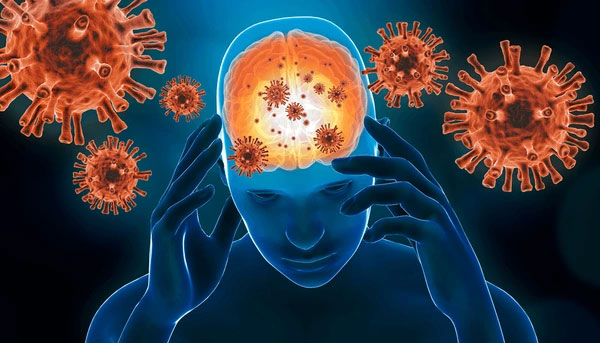
“The common virus called parvovirus B19 can cause serious brain disease encephalitis in some rare cases,” AIIMS Bhopal said in a post on social media platform X. The institute noted that encephalitis may present with high fever, severe headache, confusion, seizures, and in extreme cases, can result in permanent brain damage or even death.
Although PVB19 is not among the most frequent causes of encephalitis, researchers stressed that identifying it in unexplained cases can be crucial. “For patients where the cause of encephalitis is unclear, doctors can now also consider testing for this virus. Early and accurate diagnosis can improve treatment outcomes and significantly increase the chances of recovery,” the post added.
Parvovirus B19 typically causes mild illness, best known for the “slapped cheek” rash and fever seen in children. In adults, it may present as joint pain or arthritis. The virus spreads through respiratory droplets and blood and primarily affects red blood cell precursors in the bone marrow.
In some cases, the infection can impact multiple organ systems, leading to serious complications such as aplastic crisis in people with underlying blood disorders or foetal complications during pregnancy.
Separately, a recent study by researchers at China’s Zhejiang Academy of Traditional Chinese Medicine highlighted that PVB19 infections may also cause unexplained anaemia in patients who have undergone surgery for brain haemorrhage, further underlining the virus’s potential severity in specific clinical settings.