Daijiworld Media Network - New Delhi
New Delhi, Jan 26: Researchers have discovered that a naturally occurring molecule in the human body plays a key role in reducing stress, a breakthrough that could pave the way for new treatments for metabolic disorders and age-related diseases.
The study, conducted by researchers from The University of Queensland and published in the journal Nature Communications, focused on microRNAs — small molecules that bind to genes and prevent them from becoming overactive.
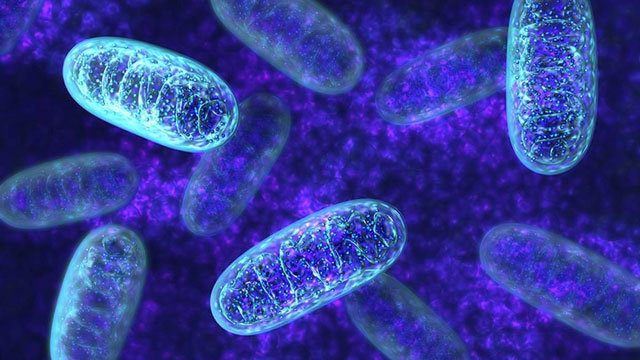
The research examined damage to mitochondria, often referred to as the powerhouse of the cell, which is essential for processes such as muscle movement, nerve signalling and energy production. According to the researchers, mitochondrial damage accumulates over time and is closely linked to metabolic disorders and diseases associated with ageing.
“MicroRNAs have many different functions, but this is the first time it has been shown that they regulate mitochondrial stress pathways and prevent the spread of stress signals to other cells and tissues throughout the body,” said Steven Zuryn, a molecular geneticist at the University of Queensland and one of the authors of the study.
Zuryn explained that damage to mitochondria is strongly associated with conditions such as neurodegeneration, cancer, diabetes and ageing itself. The study focused on a specific microRNA known as miR-71, using Caenorhabditis elegans (C. elegans) worm models.
The researchers found that microRNAs help lower chronic stress in the body and protect cells from long-term damage. Zuryn noted that the findings suggest the possibility of designing highly targeted microRNAs for use in humans to reduce the intensity and spread of harmful chronic stress signals.
While the researchers said they are not specifically aiming to develop an anti-ageing drug, they believe that understanding the underlying biological mechanisms could eventually lead to such outcomes. The study also highlighted the potential for treating metabolic disorders by limiting excessive mitochondrial stress responses through targeted small RNAs.
MicroRNAs were first discovered in C. elegans worms around three decades ago and have since been recognised as crucial to human health and disease. The discovery of microRNAs was awarded the Nobel Prize in Physiology or Medicine in 2024.