Daijiworld Media Network - New Delhi
New Delhi, Feb 4: Researchers at the Indian Institute of Technology (IIT) Bombay have devised a simpler and more effective way to retrieve immune cells grown in laboratories, a breakthrough that could enhance the success of T-cell–based cancer treatments such as CAR T-cell therapy.
In immunotherapies like CAR T-cell treatment, T-cells are extracted from a patient’s blood, genetically modified and multiplied in the lab, and then reinfused into the body to help fight cancer. For the therapy to work, these lab-grown cells must be recovered carefully so they remain alive, functional, and capable of mounting an immune response.
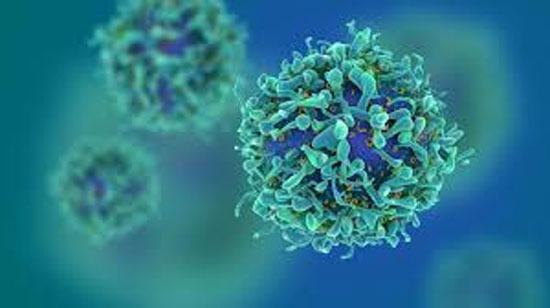
“Cell recovery may sound straightforward, but in reality, it is one of the biggest bottlenecks,” said Prof. Prakriti Tayalia from the Department of Biosciences and Bioengineering at IIT Bombay. “Without enough healthy cells, you cannot properly test them or use them for treatment.”
To replicate conditions closer to the human body, Prof. Tayalia’s team used specialised scaffolds created through electrospinning, a technique that produces extremely fine fibres. These electrospun scaffolds resemble thin mats or dense fishing nets, providing a three-dimensional environment for cell growth.
The researchers cultivated Jurkat T-cells — a human T-cell line widely used to study immune function, cancer, and HIV — within electrospun scaffolds made of polycaprolactone. Microscopic analysis showed that the cells actively migrated into the scaffold and became firmly embedded between the fibres.
The challenge, however, arose during cell recovery. The study found that using trypsin, a commonly used enzyme, resulted in significant cell damage and death. In contrast, when the cells were retrieved using accutase, a gentler enzyme, a much higher proportion survived and retained healthy behaviour.
Cells recovered with accutase were able to form clusters — a crucial step before T-cells divide — and continued to proliferate effectively after extraction.
“Harsh enzymes like trypsin can damage important surface proteins that T-cells need for immune signalling and activation, which reduces their therapeutic value,” Prof. Tayalia explained. “Accutase appears mild enough to preserve these critical features.”
The findings, published in the journal Biomaterials Science, suggest that combining electrospun scaffolds with gentler recovery methods could significantly improve how immune cells are prepared for advanced treatments such as CAR T-cell therapy.
“If these cutting-edge therapies are to reach patients at scale, every step in the process matters,” Prof. Tayalia said. “The way we grow cells and how we retrieve them can make a real and meaningful difference.”