Daijiworld Media Network – New Delhi
New Delhi, Mar 13: India and the United States are on the verge of signing a critical minerals agreement, a key milestone in bilateral trade and economic cooperation, US Ambassador Sergio Gor announced at the India Today Conclave 2026 on Friday. The announcement comes shortly after both countries agreed on a Bilateral Trade Agreement (BTA) framework.
Highlighting the strategic importance of the deal, Gor said, “Reliable and diversified supply chains for critical minerals are indispensable to both economic growth and national security. The US and India are very close today to finalising a critical minerals agreement that will help ensure the supply chains needed for advanced manufacturing, energy systems and emerging technologies.”
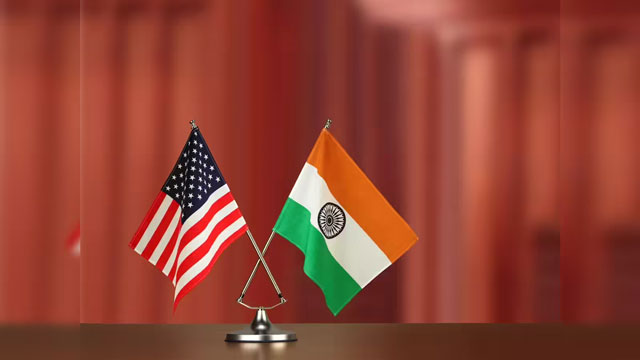
He urged all stakeholders to stay tuned, adding, “We expect a big announcement in the next months on that front.”
Trade momentum
Commerce Minister Piyush Goyal noted that India imports nearly USD 300 billion worth of products where the US is globally competitive, including sectors such as energy, semiconductors, aircraft, engines, and critical minerals. An interim trade agreement is expected to be signed this month and operationalised in April.
Gor emphasised that US–India ties are growing across political, economic, and societal spheres, with closer attention between governments, business communities, and media reflecting a strengthening partnership. He added that under President Donald Trump’s leadership, the relationship could reach historic heights, delivering unprecedented economic and strategic results.
Key areas of progress
The ambassador pointed to three major areas where progress has been made:
• Trade cooperation
• Trusted technology collaboration
• Strategic coordination between the two governments
He underlined the US administration’s focus on reciprocity, ensuring fair trade, mutual respect, and shared prosperity, particularly in securing critical resources and strengthening global supply chains.
India-US trade agreement details
The February 7 framework marks the first phase of a Bilateral Trade Agreement, expected to unlock access to a USD 30 trillion market.
Key highlights include:
• Tariff reduction: US to reduce tariffs on Indian goods from 50% to 18%, with zero tariffs on generic pharmaceuticals, gems, diamonds, and aircraft parts.
• Market access: Benefits for MSMEs, farmers, and fishermen across textiles, apparel, leather, footwear, plastics, rubber products, organic chemicals, handicrafts, and machinery.
• Indian imports: Section 232 exemptions for aircraft parts, tariff rate quotas for auto parts, and negotiated terms for generic medicines.
• Agriculture protections: Sensitive crops including wheat, rice, maize, soybeans, poultry, dairy, and select vegetables will remain protected.
• US exports to India: Reduced tariffs on industrial and selected agricultural products, with India planning to purchase USD 500 billion worth of US energy, aircraft, technology, and other goods over five years.
The final agreement is expected to be signed later this month or in early April, potentially setting a new benchmark for India-US economic and strategic partnership.