Daijiworld Media Network - Islamabad
Islamabad, Apr 21: A worrying increase in paediatric HIV infections in Karachi is drawing attention to persistent gaps in healthcare safety across Pakistan. Data from Sindh Infectious Diseases Hospital and Research Centre and Indus Hospital indicate a sharp rise in cases, particularly among children under five.
Health experts say the pattern of transmission is especially concerning. Only a small number of affected children were born to HIV-positive mothers, while most appear to have contracted the virus through medical exposure—often linked to unsafe practices such as the reuse of syringes and inadequately sterilised equipment.
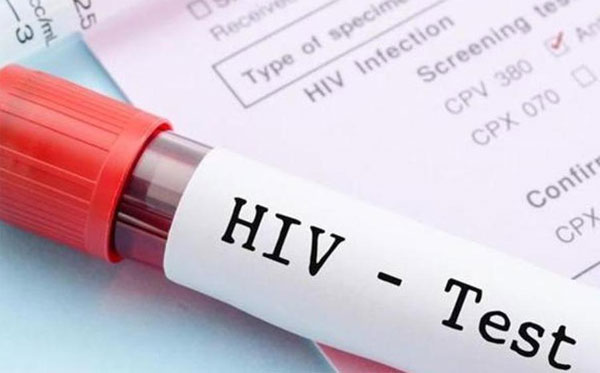
An editorial in The Express Tribune pointed out that such lapses persist despite earlier warnings. It referenced the Ratodero HIV outbreak as a major wake-up call that exposed systemic failures in infection control. Although committees were formed and reforms proposed at the time, implementation has reportedly remained weak.
The publication called for an independent and thorough investigation into hospital practices, including procurement systems, sterilisation standards, waste disposal, and blood screening procedures. It also stressed the need for widespread screening—especially among children—along with contact tracing and long-term treatment strategies.
Recent figures highlight the scale of the issue. The Sindh Infectious Diseases Hospital recorded just 10 HIV-positive children in 2024, but the number surged to over 70 in 2025, with 30 cases already reported this year. Similarly, cases at Indus Hospital rose from 144 in 2024 to 176 in 2025, with 69 additional cases identified in the first quarter of this year alone.
According to Samreen Sarfaraz, a senior official at Indus Hospital, a significant majority of these paediatric cases are linked to unsafe healthcare practices. She highlighted the reuse of syringes, needles, IV sets, and cannulas, as well as the use of contaminated instruments and unscreened blood transfusions, as major contributors to transmission.
The developments have intensified calls for stricter oversight and urgent reforms to prevent further spread and safeguard vulnerable populations.