Daijiworld Media Network – New Delhi
New Delhi, May 1: The balance of gut health, crucial for digestion, immunity, and even mental wellbeing, largely depends on the trillions of microorganisms residing in the digestive tract. Experts say that making the right dietary choices can significantly improve this internal ecosystem.
According to microbiologist Dr Debojyoti Dhar, cofounder of BugSpeaks, food plays a direct role in shaping the gut microbiome. He emphasises that instead of broadly categorising diets, individuals should focus on consuming specific gut-friendly foods that nourish beneficial bacteria.
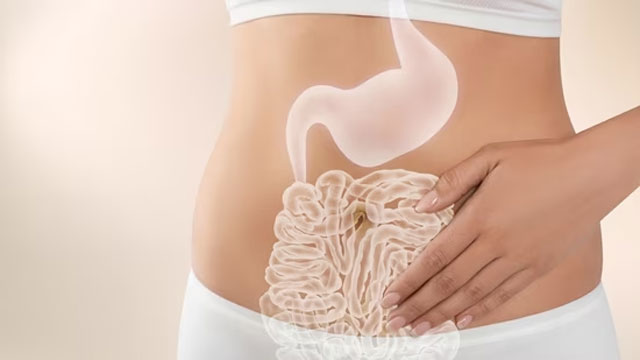
The gut hosts a vast and complex microbial community, and maintaining its diversity is essential for overall health. Dr Dhar highlights three key food groups that can help strengthen this system:
Leafy greens such as spinach, fenugreek, mustard greens, and kale are rich in insoluble fibre, which supports microbial diversity. Cruciferous vegetables like broccoli, cauliflower, cabbage, and Brussels sprouts contain compounds that aid beneficial bacteria and support detoxification processes.
Regular consumption of these vegetables promotes the production of short-chain fatty acids in the colon, which help strengthen the gut barrier and reduce inflammation.
Fermented foods including homemade curd (dahi), buttermilk (chaas), idli, dosa batter, kanji, and pakhala are rich in live cultures that enhance digestion and nutrient absorption. These foods are particularly beneficial after illness or dietary disruptions, as they help restore microbial balance.
Prebiotics act as food for beneficial bacteria, enabling them to grow and suppress harmful microbes. Foods such as garlic, onion, leek, banana, oats, barley, chickpeas, and lentils are rich in both soluble and insoluble fibre.
Regular intake of prebiotic foods can improve bowel function, enhance nutrient absorption, and support the long-term stability of beneficial gut bacteria.
Experts underline that maintaining gut health is not about drastic changes but consistent dietary habits. With the right balance of fibre-rich, fermented, and prebiotic foods, individuals can naturally support their microbiome and overall wellbeing.