Daijiworld Media Network – Mumbai
Mumbai, May 15: With the Brihanmumbai Municipal Corporation (BMC) enforcing a 10 per cent water cut from May 15, housing societies across Mumbai have begun implementing strict conservation measures, including restrictions on car washing, reduced gardening activity, and possible closure of swimming pools.
Several residential complexes have already started preparing for a prolonged shortage amid concerns over reservoir levels and delayed monsoon rains.
At Jal Kiran Housing Society in Cuffe Parade, pipeline water for car washing has been completely stopped. Residents and cleaners have instead been advised to clean vehicles using minimal water and wet cloths. Society members have also been encouraged to switch from showers to bucket baths to reduce consumption.
Gardeners in many societies have been instructed to water only plant roots and avoid excessive use of hoses. Residents say even small changes could significantly help conserve water during the crisis.
In Mulund’s Runwal Chestnut complex, discussions are underway regarding temporary closure of the swimming pool despite the summer holiday season. Residents said the move is being considered to prioritise essential water usage.
At Evershine Towers in Malad, residents are depending on reserve water stored over time to manage immediate needs. However, society members said amenities such as gyms, banquet halls, and swimming pools may be suspended if the shortage continues for a longer period.
In Chandivali’s Nahar Amrit Shakti area, several housing societies have already started relying on private water tankers after reporting inadequate civic supply in recent days. Residents have been urged to store water carefully and avoid unnecessary usage.
Marine Drive residents said they have been facing water shortages for months due to low supply pressure, forcing some buildings to depend on tanker water even before the official cut came into effect.
The BMC announced the precautionary water cut following directions from the state water resources department and concerns over monsoon uncertainty linked to possible El Niño conditions.
According to civic data, water stock in Mumbai’s seven lakes stood at around 23 per cent of total capacity earlier this week. Although the level is better compared to the previous two years, authorities said conservation measures are necessary to avoid shortages before the arrival of monsoon rains.
Mumbai currently receives around 3,850 million litres of water per day against an estimated requirement of 4,300 MLD, leading many residential pockets to depend heavily on private tanker services.
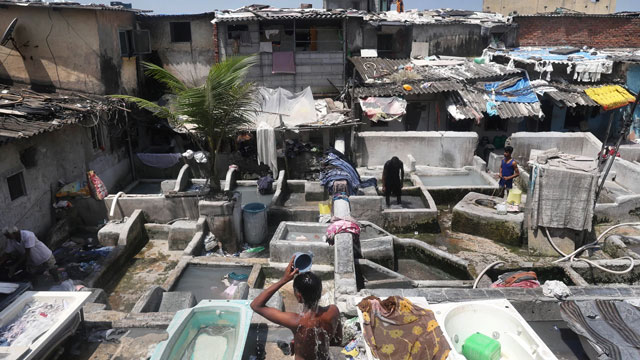
Water rights activists warned that slum areas and lower-income communities are likely to bear the brunt of the cuts, as many informal settlements already receive limited supply compared to affluent neighbourhoods.
Experts also pointed out that Mumbai’s ageing and uneven water infrastructure continues to leave large sections of the population vulnerable during periods of water scarcity.