Daijiworld Media Network - Washington
Washington, May 23: The US Senate has cleared a bipartisan bill designed to curb the illegal transfer of advanced American semiconductors to China, reflecting growing concerns over the potential military and artificial intelligence use of US technology by Beijing.
The proposed law, known as the “Stop Stealing our Chips Act,” was introduced by Republican Senator Mike Rounds and backed by Democratic Senator Mark Warner. The legislation seeks to strengthen export control enforcement by establishing a whistleblower reward programme under the Bureau of Industry and Security (BIS).
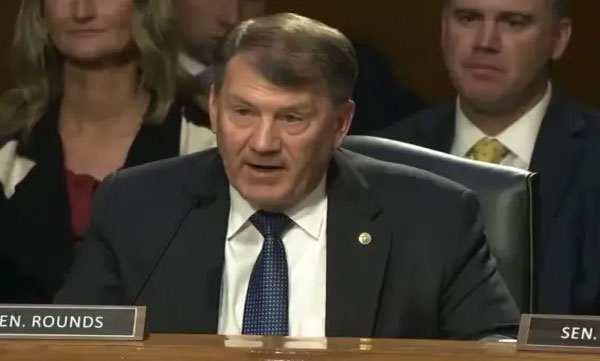
Senator Rounds welcomed the Senate’s approval of the measure, stating that despite strict restrictions already imposed by the United States, Chinese networks continue to acquire American-made chips through smuggling operations.
He warned that the rapid expansion of artificial intelligence technologies has intensified national security risks, arguing that advanced semiconductors could significantly enhance China’s strategic and military capabilities if they continue reaching restricted entities.
The bill will now move to the House of Representatives for consideration before being sent to President Donald Trump for final approval and signing into law.
Senator Warner described the Senate vote as a crucial move toward tightening America’s export control system. He said stronger enforcement mechanisms are necessary as China increasingly relies on covert procurement channels to access advanced US technologies.
Under the proposed legislation, the BIS would be required to launch a secure online reporting platform within 120 days of the law taking effect. The system would allow individuals to confidentially submit information regarding illegal semiconductor exports and sanctions violations.
The bill also proposes the creation of an “Export Compliance Accountability Fund,” financed through penalties collected from export control offences. Individuals who provide original and credible information leading to successful enforcement actions could receive rewards ranging from 10 to 30 percent of the recovered fines.
However, the legislation excludes federal officials acting in their official roles, as well as individuals associated with terrorism or sanctions-related lists, from receiving financial incentives.
To encourage reporting, the measure includes strong whistleblower protections. Employers would be prohibited from firing, intimidating, or discriminating against workers who legally disclose export control violations. It also guarantees confidentiality for whistleblowers throughout investigations.
Additionally, the proposal mandates that credible reports must lead to formal investigations within 60 days, while whistleblowers would receive progress updates every month during active inquiries.
According to Senator Rounds’ office, authorities have identified at least eight Chinese smuggling networks involved in transactions valued at more than $100 million each. Some of the restricted semiconductors allegedly reached sanctioned Chinese organisations, including military-linked research institutes and companies connected to the People’s Liberation Army.
In recent years, Washington has steadily tightened controls on exports of advanced semiconductor technologies as strategic rivalry between the United States and China deepens in areas such as artificial intelligence, supercomputing, and defence technology. US officials have repeatedly argued that cutting-edge American chips could significantly strengthen China’s surveillance and military infrastructure if acquired through indirect supply routes.